






Winter's Alluring Embrace
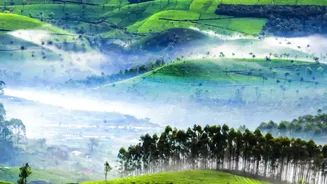
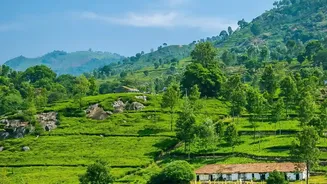
The period from October to February is widely considered the best time to visit Coorg. After the heavy monsoon rains, the landscape is a vibrant, lush green, waterfalls are still flowing, and the weather becomes exceptionally pleasant. Daytime temperatures
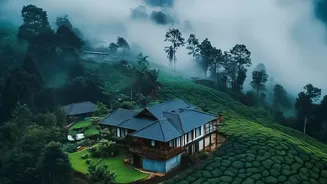
hover comfortably between 15°C and 25°C, perfect for sightseeing and outdoor activities, while evenings bring a gentle chill that adds to the hill station's cosy charm. This season offers clear blue skies and signature morning mist that blankets the rolling hills and valleys, creating picture-perfect moments for photographers and nature lovers. The dry, cool conditions make it ideal for exploring the region without the exhaustion of summer heat or the travel disruptions of the monsoon.
The Charm of Historic Estate Stays
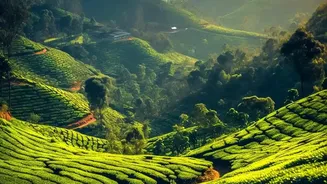
A quintessential Coorg experience is staying not just near a coffee plantation, but within one. The region is dotted with historic estate bungalows, many over a century old, that have been converted into boutique resorts and homestays. These properties offer more than just accommodation; they provide an immersive journey into the area's colonial past and the life of a planter. Imagine waking up in a restored 19th-century cottage, surrounded by acres of coffee and spice groves, with a private veranda overlooking a misty valley. Stays at places like Old Kent Estates or The Hallery combine heritage architecture with modern comforts, offering personalised hospitality, traditional Kodava meals, and a deep connection to the landscape. It’s an opportunity to slow down and savour the quiet rhythm of plantation life.
Activities for the Soulful Traveller
While relaxing with a cup of freshly brewed coffee is a primary draw, Coorg's winter landscape invites exploration. The pleasant weather is perfect for trekking to some of the region’s highest peaks, like Tadiandamol or Kotebetta, for panoramic views. A visit to Raja’s Seat in Madikeri, a favourite spot of Kodagu kings, offers stunning sunset views over the fog-filled valleys. The season is also ideal for visiting the spectacular Abbey Falls, which is still impressive post-monsoon. For a unique cultural and spiritual experience, the Namdroling Monastery, also known as the Golden Temple, in nearby Kushalnagar offers a peaceful diversion. Another highlight is the Dubare Elephant Camp, where visitors can interact with elephants in a camp by the river.
Coffee, Culture, and Cuisine
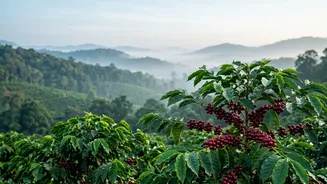
Winter coincides with the coffee harvesting season, which typically runs from November to February. Many plantations offer guided walks where you can learn about the journey from bean to cup, and even participate in coffee picking. The air itself is rich with the aroma of coffee. The local Kodava culture is another fascinating aspect to explore. This season is perfect for sampling the distinctive local cuisine, known for its flavourful pork curries, rice-based dishes, and use of local spices. The pleasant weather encourages leisurely strolls through local markets in Madikeri, where you can shop for the region's famous coffee, spices like pepper and cardamom, and homemade honey.
Planning Your Winter Escape
Given that winter is Coorg's peak tourist season, it's wise to book accommodation and travel well in advance, especially around the Christmas and New Year holidays. Coorg is accessible by road from major cities like Bengaluru, Mysuru, and Mangaluru. When packing, think in layers. Light cottons for the day are fine, but warm woollens, scarves, and jackets are essential for the chilly mornings and evenings. Comfortable walking shoes are a must for exploring plantations and trekking trails. While the days are sunny, the air is crisp, so carrying sunscreen and moisturiser is a good idea. Whether you're seeking adventure, romance, or simply a quiet retreat in nature, Coorg in winter delivers an unforgettable experience.