
The Myth of the Low-Maintenance Pet
Cats have a reputation for being independent and self-sufficient, but this perception often overlooks their deeply ingrained natural instincts. In the wild, cats are hunters, spending a significant portion of their waking hours stalking, chasing, and exploring.
When we bring them indoors for their safety, we remove the very challenges that keep their minds and bodies sharp. A cat without an outlet for these behaviours can experience boredom and frustration, which can lead to a host of problems. Enrichment isn't about spoiling your pet; it's about providing for their fundamental behavioural needs.
Recognising the Signs of Boredom
An under-stimulated cat will often find its own, less-than-desirable ways to create excitement. Signs of boredom or stress can include destructive behaviour like scratching furniture or shredding curtains, and excessive vocalisation or meowing for attention. Some cats may become aggressive towards other pets or people in the home. Other, more subtle signs can include over-grooming, a lack of interest in things they used to enjoy, or sleeping more than usual. These behaviours are not signs of a 'bad' cat, but rather a cry for more engagement and stimulation.
Engage the Hunter Within Through Play
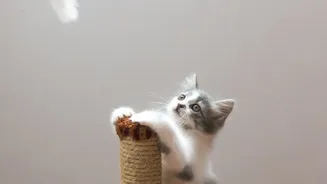
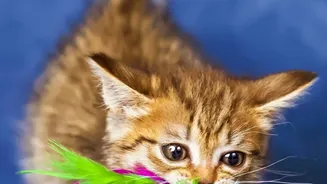
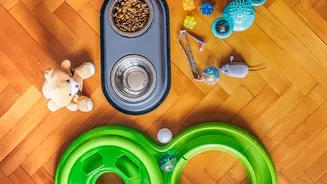
One of the most effective ways to enrich your cat's life is through interactive play that mimics hunting. Toys like wands with feathers or strings allow your cat to stalk, chase, and pounce in a controlled way. Short, consistent play sessions are more impactful than infrequent long ones; just five to ten minutes twice a day can make a huge difference. Rotating toys is also key. Keeping a few toys out at a time and swapping them every week prevents your cat from getting bored with the same old options. Even simple, DIY toys made from household items can provide hours of entertainment.
Create a Stimulating Home Environment
A cat-friendly environment goes beyond floor level. Cats are natural climbers and love to observe their territory from a high vantage point. Providing vertical space is crucial. This can be achieved with cat trees, wall-mounted shelves, or even just clearing a space on a sturdy bookshelf. Window perches are another fantastic addition, offering what many call 'cat TV'—a safe front-row seat to the birds and activity outside. Placing a bird feeder outside a window can provide endless entertainment. Simple cardboard boxes also make excellent forts and hiding spots.
Make Mealtime a Mental Workout
Instead of simply pouring kibble into a bowl, turn feeding time into a stimulating challenge. Puzzle feeders and treat-dispensing toys require your cat to problem-solve to get their food, engaging their mind and slowing down fast eaters. You can buy these at pet stores or make your own using items like an empty paper towel roll with holes cut into it. Hiding small amounts of food in different places around the house encourages your cat to 'hunt' and forage, satisfying their natural exploratory instincts. This simple change turns a routine activity into a rewarding game.
Don't Forget Sensory Enrichment
Stimulation isn't just about physical activity. Engaging your cat's other senses is just as important. Introducing different scents can be highly enriching. Safe options include catnip, silvervine, and valerian, which can be sprinkled on toys or scratching posts. You can also bring a bit of the outdoors inside by offering a box with leaves or grass for them to sniff. Growing cat-safe grass provides a texture and taste they may crave. Even auditory stimulation, like playing 'music for cats' found online, can add a new dimension to their environment.