



The Promise of a Peel
The logic behind this gardening trick seems sound. We know that flowering and fruiting plants, like roses, hibiscus, tomatoes, and peppers, thrive on potassium. It’s a vital macronutrient that helps with everything from water and nutrient transport to activating
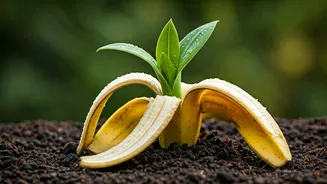
enzymes that trigger vigorous blooms and stronger stems. Banana peels are famously rich in potassium, containing smaller amounts of phosphorus, calcium, and magnesium. The idea is that by placing the peels directly onto or into the soil around your plants, you are delivering this potassium-rich organic matter right where it’s needed. It feels natural, sustainable, and wonderfully simple—a perfect example of turning kitchen scraps into garden gold.
The Slow, Scientific Reality
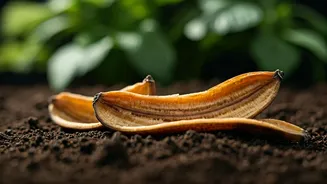
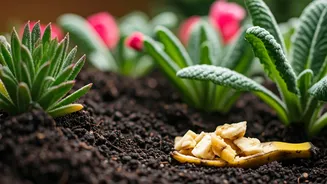
While it’s true that banana peels contain potassium, simply throwing a fresh or crushed peel on your soil is not an effective way to fertilise your plants. The key issue is decomposition. Plant roots can only absorb nutrients that are in a water-soluble, bioavailable form. The potassium in a fresh banana peel is locked within its cellular structure. For that potassium to become available to your plants, the peel must first be completely broken down by microorganisms in the soil—a process that can take weeks or even months, depending on your climate and soil health. Until that decomposition is complete, the nutrients remain largely inaccessible. So, while you aren’t necessarily harming your plant, you aren’t providing the immediate potassium 'boost' the headline promises.
Unintended Garden Guests
Beyond being ineffective, scattering banana peels in your garden can create a few new problems. Decomposing fruit matter is an open invitation to pests. You might find your garden suddenly popular with fungus gnats, fruit flies, ants, and other insects drawn to the sweet, decaying scraps. In some areas, larger animals like rodents or raccoons may also be attracted. Furthermore, fresh peels on the surface of your soil can become slimy and unsightly, and if the conditions are too damp, they can even encourage the growth of unwanted mould or fungi that might compete with your plants or look unpleasant in your carefully tended flower beds.
A Better Way: The Compost Bin
So, should you throw your banana peels in the bin? Absolutely not! They are a fantastic source of organic matter, but they need to be processed correctly. The best destination for your banana peels is the compost pile. In a compost bin, the controlled environment of heat, moisture, and microbial activity accelerates decomposition dramatically. The peels break down efficiently alongside other kitchen scraps and garden waste, and their nutrients are converted into a stable, bioavailable form. Once the process is complete, you are left with nutrient-rich compost, a dark, crumbly superfood for your garden. Mixing this finished compost into your soil provides a slow-release source of potassium and other essential nutrients, while also improving soil structure and water retention.
The 'Banana Tea' Alternative
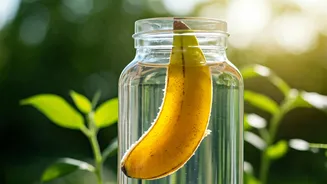
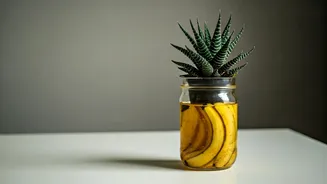
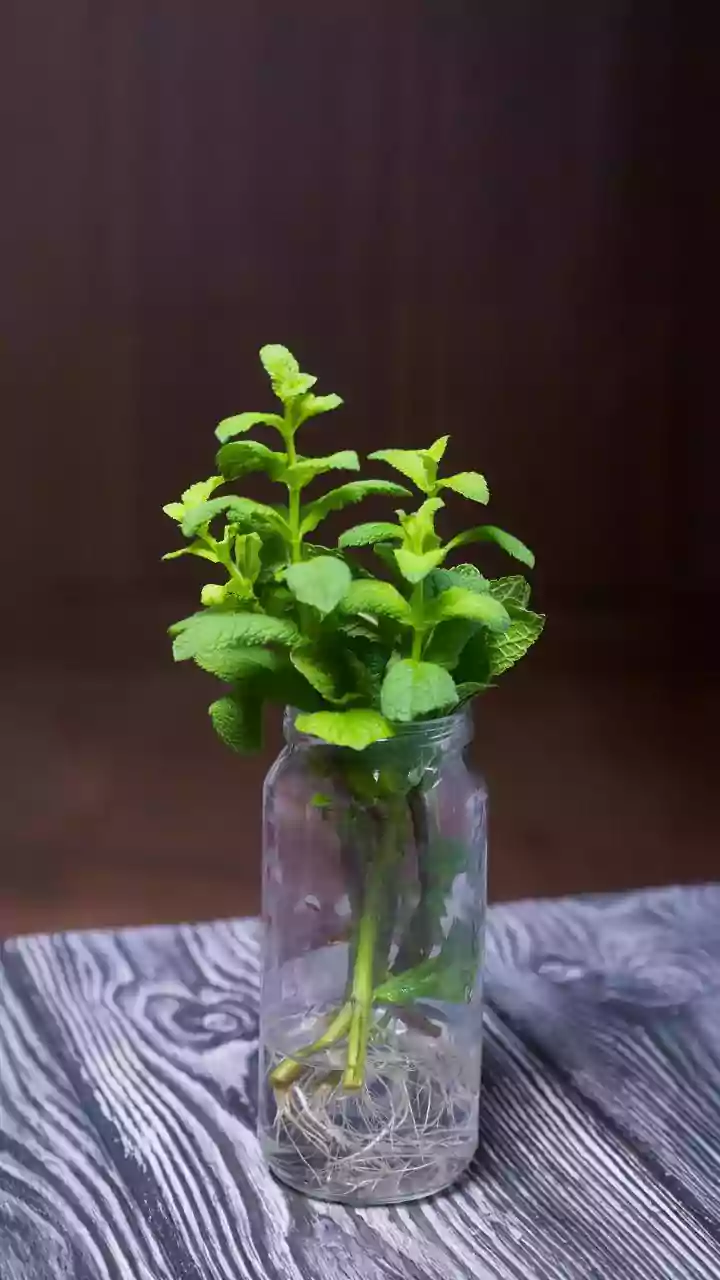
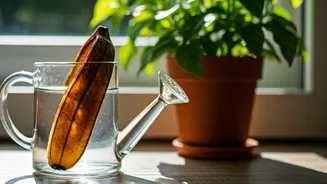
If you don't have a compost system, there is another popular method: making 'banana peel tea'. While scientific studies on its precise efficacy are limited, it is a more logical way to extract some of the water-soluble nutrients. To do this, simply chop up your banana peels and place them in a jar of water. Let them soak for a few days to a week, giving the jar a shake daily. The water will turn brownish as it leaches some of the potassium and other minerals from the peels. You can then strain this liquid 'tea' and use it to water your plants. While it won't be as nutritionally complete as a balanced commercial fertiliser, it’s a better method than simply tossing the peels on the soil and avoids the pest problem.