





The Unseen Science in Your Kitchen
At its core, fermentation is a natural process where microorganisms like yeast and beneficial bacteria transform the sugars and starches in food. This is not just a passing food trend; it's a practice woven into Indian culinary history for over 3,000
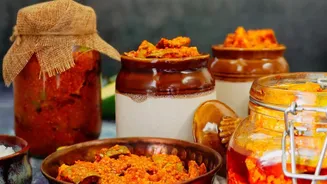
years, mentioned even in ancient texts like the Vedas. Before refrigerators existed, fermentation was a vital method for preserving food, turning perishable items like milk, vegetables, and grains into products with a longer shelf life, such as dahi, pickles, and batters. This age-old science was essential for nutritional security, transforming surplus harvests into staples that could be consumed throughout the year. For the home cook, understanding this process is the first step toward mastering the authentic flavours of traditional Indian cuisine.
More Than Just Preservation
The benefits of fermentation extend far beyond just making food last longer. The process unlocks a world of complex flavours and enhances nutritional value in remarkable ways. Fermented foods are often easier to digest because the microorganisms have already started breaking down complex carbohydrates and proteins. This process also increases the bioavailability of essential nutrients like B vitamins, iron, and calcium, making them easier for our bodies to absorb. Furthermore, fermented foods are a natural source of probiotics, the beneficial bacteria that support a healthy gut microbiome, which is linked to better digestion and a stronger immune system. Regular consumption of foods like dahi, idli, and kanji has been shown to increase beneficial gut bacteria.
Your First Fermentation Project: Gajar ki Kanji
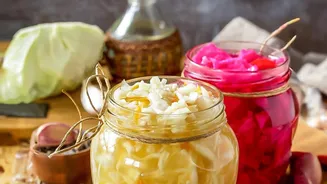
One of the easiest and most rewarding fermented items to make at home is Gajar ki Kanji, a tangy, probiotic-rich drink popular in North India, especially during winter. All you need are a few simple ingredients: carrots (traditionally black carrots, but orange ones work too), mustard seeds, salt, and water. To begin, wash and cut the carrots into sticks and place them in a clean glass or ceramic jar. Add coarsely ground mustard seeds, salt, and other optional spices like red chilli powder. Fill the jar with water, stir everything well, and cover it with a cloth. Then, simply place the jar in a sunny spot for a few days, shaking it once or twice daily. The water will turn cloudy and develop a sour, tangy flavour, signalling that fermentation is complete. It’s a simple, hands-off process that beautifully demonstrates the power of natural fermentation.
Embracing the Slow Magic of Batter
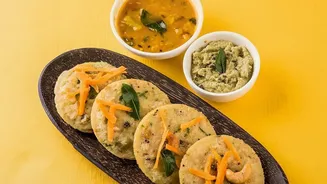
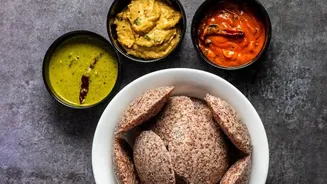
The soul of South Indian staples like dosa and idli lies in their perfectly fermented batter. While it may seem intimidating, the process is straightforward. It begins with soaking rice and urad dal (black gram) for several hours. After soaking, the ingredients are ground into a smooth paste. This batter is then left to ferment at room temperature, typically overnight or for 8 to 12 hours. During this time, natural yeasts and bacteria go to work, causing the batter to rise and develop its characteristic slightly sour aroma and flavour. The result is not just delicious but also incredibly light and digestible, a testament to the microbial magic that transforms simple ingredients into nutritious meals.
A Deeper Connection to Culinary Heritage
By bringing fermentation into your kitchen, you are doing more than just making food; you are participating in a living history. These techniques connect us to the resourcefulness and wisdom of our ancestors, who mastered this science without modern equipment. It's a way of understanding food on a deeper level, appreciating the slow, natural processes that create the flavours and textures we've loved for generations. Whether it's setting out a jar of kanji in the sun or waiting for dosa batter to rise overnight, engaging in fermentation is a fulfilling way to honour and preserve India's rich culinary heritage in your own home. It transforms cooking from a series of steps into a partnership with nature itself.