





What Exactly is Vetiver?
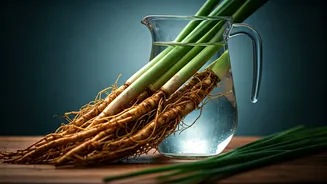
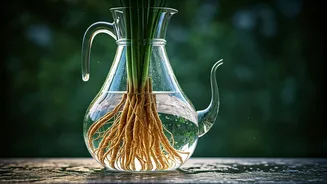
Known in India as 'khus', vetiver is a type of perennial grass, but its magic lies underground in its dense, fragrant root system. For centuries, these roots have been a cornerstone of summer life across the subcontinent. You've likely encountered it without
even realising it — woven into traditional cooling mats ('khus ki tatti') that are sprinkled with water to release a cool, earthy aroma, or as the key ingredient in the iconic green 'khus' sherbet. This isn't just a nostalgic flavour; it's a powerful, natural tool for beating the heat. The practice of infusing water with vetiver roots is an ancient one, rooted in Ayurvedic principles that celebrate its deeply cooling and calming properties.
The Wisdom Behind the Cooling Effect
So, how does a simple grass root work so well against scorching temperatures? Ayurvedic tradition classifies vetiver as a 'sheeta virya' herb, meaning it has a cooling potency that helps pacify pitta dosha—the bodily energy associated with heat and metabolism. Drinking vetiver-infused water is believed to help quench extreme thirst, reduce the burning sensations associated with sun exposure, and calm the mind. Modern science points to vetiver's natural coolant properties and its ability to help the body retain water, making it excellent for hydration. The roots are also rich in antioxidants, which help combat the oxidative stress that can increase during extreme weather. It’s a perfect example of traditional wisdom aligning with contemporary wellness principles.
How to Make Vetiver Water at Home
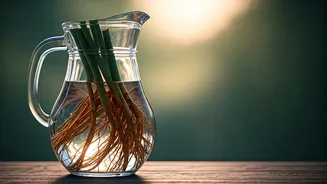
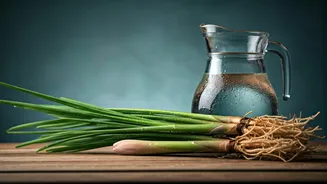
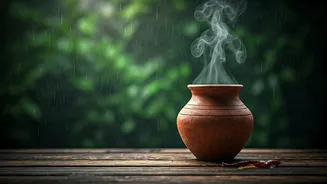
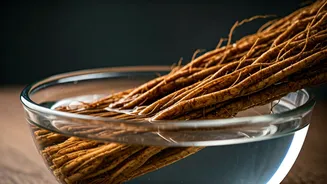
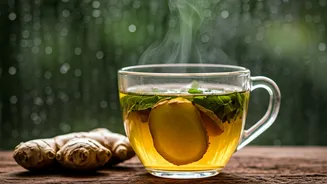
Making your own vetiver water is incredibly simple and far more rewarding than buying a bottled drink. All you need are dried vetiver roots and fresh water. 1. **Source Your Roots:** You can find dried vetiver roots at most local 'pujari' shops, Ayurvedic stores, or online. Look for clean, high-quality roots. 2. **Clean Thoroughly:** The roots come from the ground, so they must be washed well. Rinse them under running water to remove any dirt or debris. You can soak them for 15-20 minutes and then rinse again. 3. **Infuse:** There are two main methods. For a gentle infusion, simply place a small bundle of cleaned roots into a large earthen pot ('matka') or glass jug filled with drinking water. Let it infuse for at least 3-4 hours, or overnight for a stronger flavour. The earthen pot adds its own subtle cooling properties and flavour. 4. **The Boiling Method:** For a quicker, more potent infusion, you can boil a handful of roots in a litre of water for about 10-15 minutes. Let it cool completely, then strain the water and store it in the refrigerator. Once infused, the water will have a pale, golden hue and a beautiful, earthy fragrance. You can reuse the same roots 2-3 times before they lose their potency.
More Than Just a Drink
While drinking vetiver water is its primary use, this fragrant elixir has other applications, especially during a heatwave. * **A Cooling Face Mist:** Pour the infused water into a small spray bottle and keep it in the fridge. A quick spritz on your face and neck provides instant refreshment, calms irritated skin, and offers a moment of aromatic peace. * **A Soothing Bath Additive:** Add a strong decoction of vetiver water (from the boiling method) to your bathwater. It helps soothe heat rashes and prickly heat, and the calming aroma is a perfect way to de-stress after a long, hot day. * **An Eye Compress:** Dip cotton pads in chilled vetiver water and place them over your tired eyes for 10 minutes. It helps reduce puffiness and soothes screen-strained eyes.