






Why Go South for Solitude?
While North Goa buzzes with electric energy, South Goa whispers. It’s a region defined by a slower pace of life, expansive, cleaner beaches, and a landscape that feels more in tune with nature. For a solo traveler, this translates to space for reflection,
easier connections with fellow travelers seeking calm, and a safer, more relaxed environment. The journey south is a deliberate choice to trade relentless parties for quiet sunrises, yoga retreats, and long, uninterrupted walks on golden sand. It’s here that you can truly disconnect from the noise and reconnect with yourself, making it an ideal landscape for an independent adventurer.
First Stop: The Balanced Bliss of Agonda
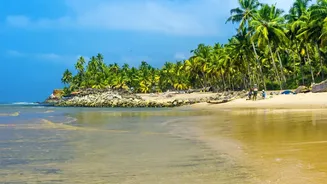
Agonda Beach is the perfect starting point for your solo expedition. Stretching over three kilometers, it strikes a beautiful balance between tranquility and convenience. The beach is wide, clean, and noticeably quieter than its famous neighbour, Palolem, with no loud parties or jet-skis to break the peace. For a backpacker, Agonda offers a range of stays, from budget-friendly guesthouses to charming beachfront huts where you can fall asleep to the sound of the waves. The vibe is welcoming, attracting a mix of solo travelers, couples, and families who appreciate the calm. Days here are best spent swimming in the relatively calm sea, joining a drop-in yoga class, or simply reading a book. Renting a scooter is a must for exploring nearby hidden gems like Cola Beach.
The Ride to Galgibaga: A Journey into the Wild
The 24-kilometer road journey from Agonda to Galgibaga is a classic Goan experience. The best way to do it is on a rented scooter, which gives you the freedom to soak in the lush scenery of palm-fringed roads and sleepy villages. The drive itself is part of the adventure, a transition from the semi-developed calm of Agonda to the truly untouched coast. As you travel further south, past the more frequented hubs of Palolem and Patnem, you'll feel the landscape grow wilder and the presence of tourism fade. The final approach to Galgibaga involves crossing a narrow bridge, a symbolic gateway to one of Goa's last hidden secrets.
Galgibaga: Goa’s Untouched Turtle Haven
Galgibaga is not just quiet; it’s sacred. Known as 'Turtle Beach', it is one of Goa's most important nesting sites for the endangered Olive Ridley sea turtle. This ecological significance means the beach remains pristine and undeveloped, with no commercial shacks, sunbeds, or loud music. The vibe here is one of deep reverence for nature. The main activity is simply being present: taking long walks, watching local fishermen, and swimming in the clean waters where the Galgibaga river meets the sea. During the nesting season, which typically runs from November to March, a portion of the beach is protected by the Forest Department. Witnessing the conservation efforts, or even a supervised hatching, is a profoundly moving experience, but remember to be a responsible tourist and follow all guidelines to avoid disturbing the turtles.
Essential Tips for the Solo Backpacker
South Goa is generally considered safe for solo travelers, but it's always wise to be prepared. Choose accommodations with good reviews, especially from other solo women, and avoid isolated beach huts. While walking on the beach at night, stick to well-lit areas. Renting a scooter is the most flexible way to get around, but ensure you get it from a reputable vendor. Always carry enough cash, as ATMs in smaller villages like Agonda can be unreliable. The best time to visit is from October to March, when the weather is dry and pleasant. Most importantly, trust your instincts. The local Goan culture is famously warm and respectful, and residents are often protective of tourists.