


The Nutritional Synergy of Dal and Rice
At its core, the combination of dal (lentils) and rice is a masterclass in food synergy. Lentils are an excellent source of plant-based protein, but they lack a specific essential amino acid called methionine. Rice, on the other hand, contains methionine but is low
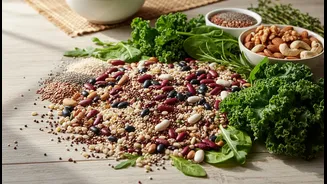
in another amino acid, lysine, which dal has in abundance. When you eat them together, they form a 'complete protein,' providing all the essential amino acids your body needs for functions like muscle repair and growth. Beyond protein, dal is packed with dietary fibre, which aids digestion and keeps you feeling full, along with vital minerals like iron, folate, and magnesium. Rice provides the necessary carbohydrates for sustained energy throughout the day.
The Key Is Portion Control
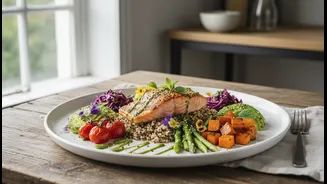
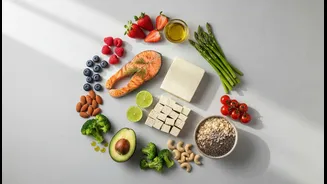
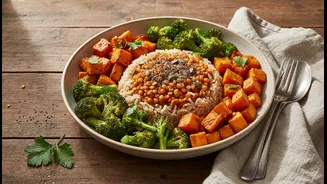
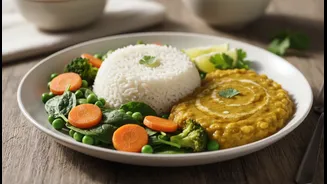
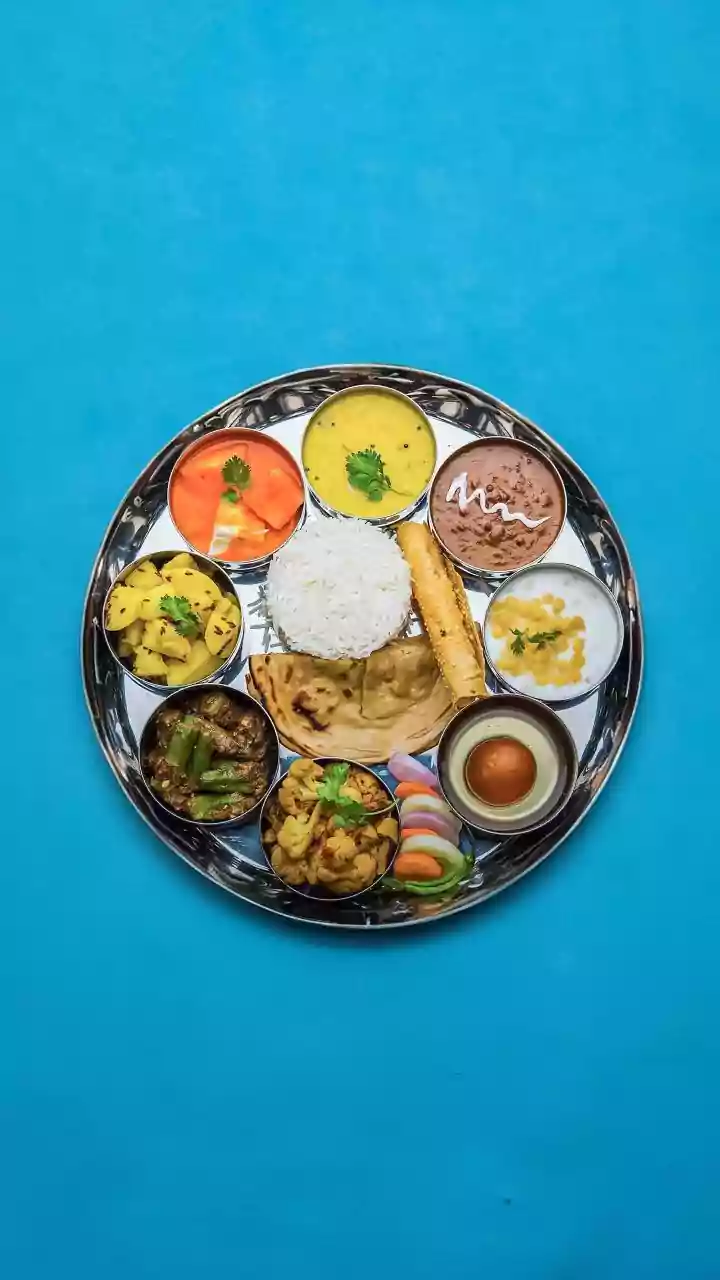
The main reason dal-rice sometimes gets viewed as unhealthy is due to imbalanced portions, particularly an excess of rice. A simple rule of thumb for a balanced plate is the 'plate method' adapted for Indian meals. Aim to fill half your plate with vegetables, one-quarter with protein (your dal), and the remaining quarter with carbohydrates (rice). Visually, this often means serving a larger portion of dal compared to rice—some experts even suggest a 2:1 ratio of dal to rice. Using smaller plates and bowls can also psychologically help in managing portions without feeling deprived. This mindful approach ensures you get all the benefits without overloading on calories.
Elevate Your Meal with Vegetables
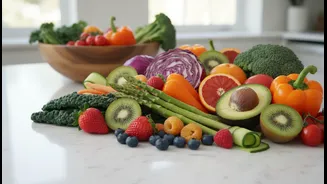
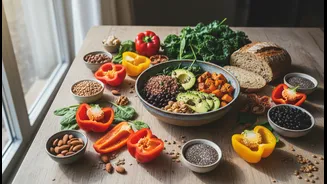
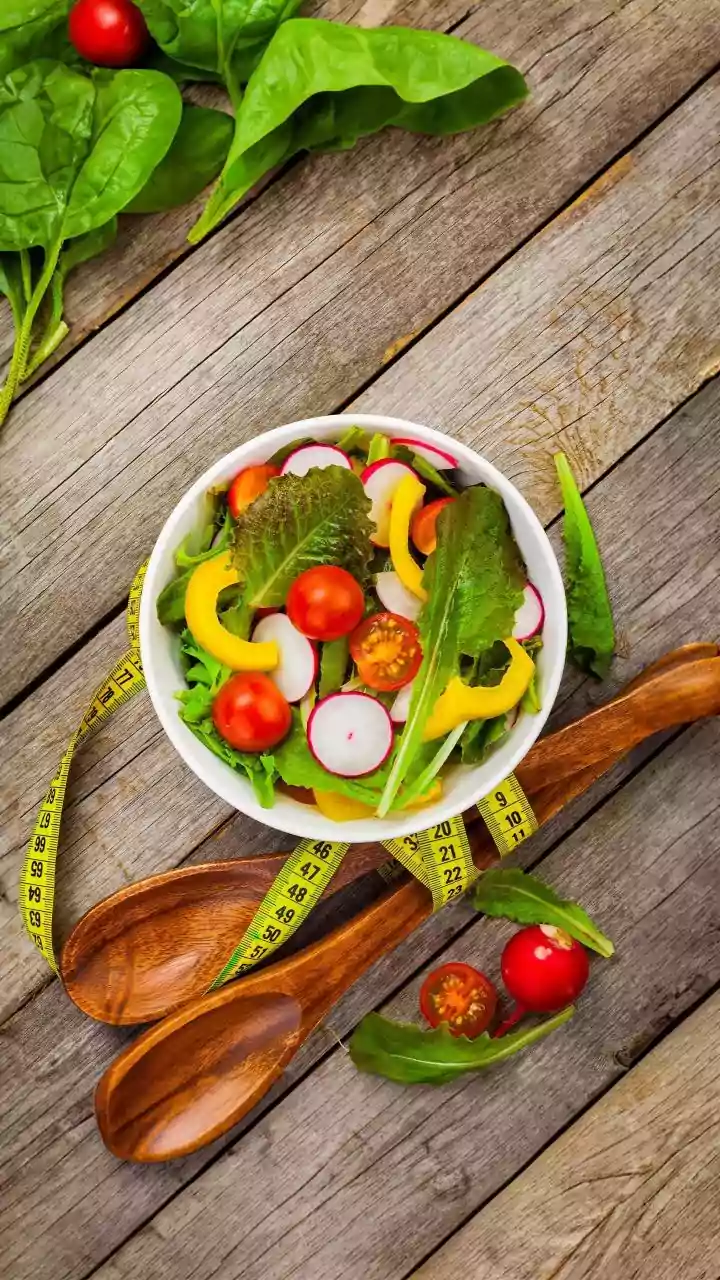
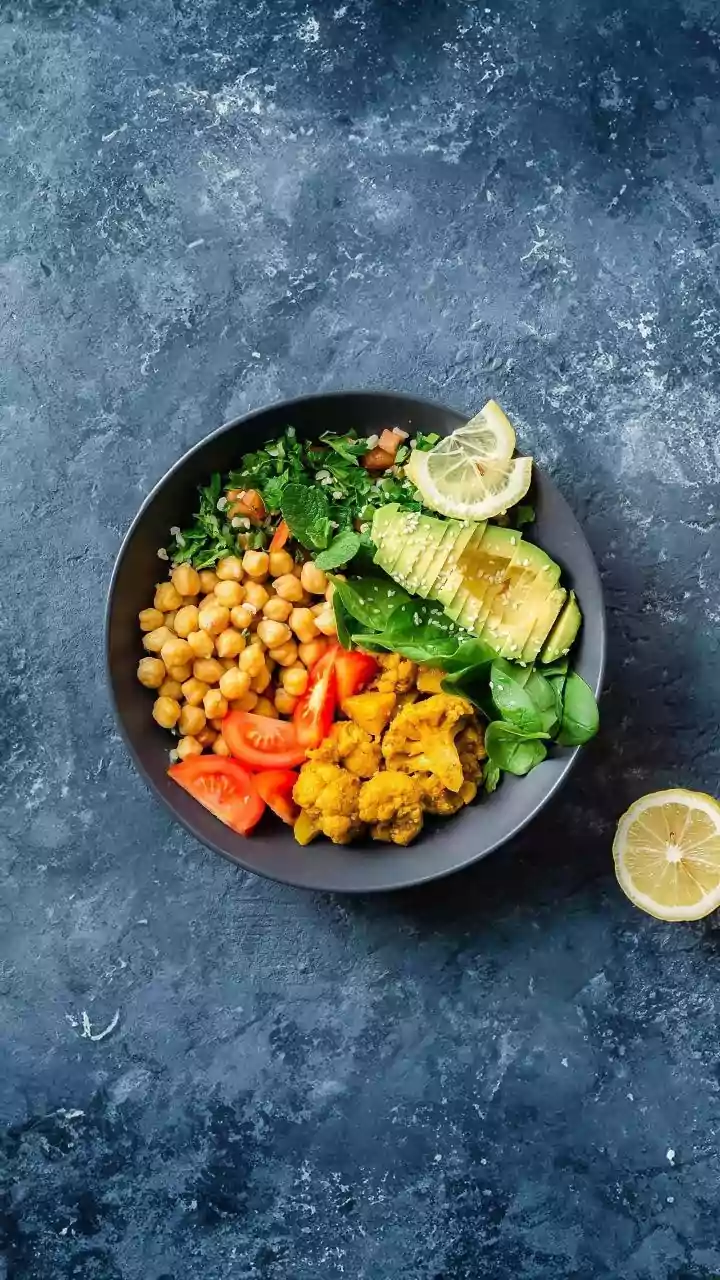
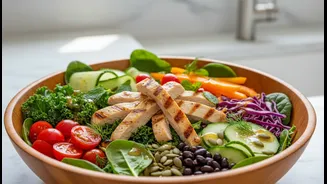
Vegetables are the non-negotiable component that transforms dal-rice from a simple meal into a nutritionally complete one. They add a wealth of vitamins, minerals, and additional fibre with very few calories. Incorporating them is easier than you think. You can cook vegetables directly into your dal; spinach, bottle gourd (lauki), carrots, and tomatoes are excellent choices that blend in seamlessly. Alternatively, a side of stir-fried or steamed vegetables (sabzi) is a perfect accompaniment. Even a simple fresh salad of cucumber, tomatoes, and onions adds crunch, freshness, and a boost of nutrients. This variety not only enhances the meal's nutritional profile but also makes it more flavourful and satisfying.
Smart Cooking Makes a Difference
How you prepare your dal-rice also plays a significant role in its health quotient. While a dollop of ghee on top is a tradition that aids in the absorption of fat-soluble vitamins, it's wise to be mindful of the amount used. When preparing the tadka (tempering), using minimal oil or ghee is a healthier approach. Soaking lentils for a few hours before cooking can make them easier to digest and improve nutrient absorption. When it comes to rice, opting for brown rice or parboiled rice can increase your intake of fibre and B-vitamins. However, even with white rice, the key remains the overall balance of the plate. The goal is not to eliminate cherished ingredients but to use them thoughtfully.