






The Game Changer: Visa-Free Entry
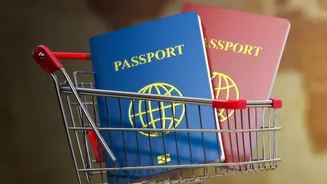
The biggest saving for Indian passport holders is the visa waiver. As of September 2026, Thailand allows Indian tourists to enter for up to 30 days without a visa, a policy designed to boost tourism. This immediately saves you both the visa fee, which
could be several thousand rupees, and the hassle of paperwork or waiting in line for a visa on arrival. This policy makes a super-budget trip feasible, as every rupee saved on entry fees can be spent on exploring the country. Always check the latest official announcements from the Royal Thai Embassy before you book, as visa policies can change.
Making the ₹30,000 Budget Work
Let's be clear: a ₹30,000 budget for six days, including flights, is extremely tight but not impossible. Success depends entirely on discipline and strategy. The key is booking flights far in advance during a major sale and travelling in the off-season (May to October). Your budget on the ground must be strict. Here’s a plausible breakdown: Flights (₹12,000), Accommodation (₹6,000), Food (₹5,000), Local Transport (₹3,500), and Activities/Misc (₹3,500). This requires a backpacker's mindset, focusing on free activities and local experiences over tourist traps.
Scoring a Super-Affordable Flight
Your flight will be the single largest expense. Finding a round-trip ticket for ₹12,000 or less is the first major hurdle. Start looking at least three to four months in advance on flight comparison websites. Be flexible with your travel dates; flying mid-week is often cheaper than on weekends. Set up fare alerts for routes from Indian cities like Kolkata or Chennai, which sometimes offer lower fares to Bangkok. Budget airlines are your best friends here. Don't expect baggage allowance beyond a cabin bag; pack light and embrace the minimalist travel style to avoid extra fees.
Your 6-Day Budget Itinerary
This itinerary focuses on Bangkok and a short trip to a nearby location to minimize travel costs. Day 1: Arrive in Bangkok, take the airport rail link to the city, check into your hostel, and explore a local market for dinner. Day 2: Temple hopping in Bangkok. Visit free-to-enter temples and view major ones like Wat Arun and Wat Pho from the outside or from a cross-river ferry to save on entrance fees. Use the public bus or canal boats for transport. Day 3: Explore another side of Bangkok. Visit a large park like Lumphini or Chatuchak, and get lost in the maze of Chinatown's streets. Day 4: Take an early morning bus or third-class train to Ayutthaya, the former capital. Explore the historical park by renting a bicycle for the day. Return to Bangkok in the evening. Day 5: Visit a floating market on the outskirts of the city. Focus on markets that cater to locals rather than tourists for better prices and a more authentic experience. Spend the afternoon at a budget-friendly mall for some air conditioning and window shopping. Day 6: Enjoy a final Thai breakfast from a street vendor before heading back to the airport via public transport.
Accommodation and Food on a Shoestring
To stay within a ₹6,000 accommodation budget for five nights, your only real option is a dormitory bed in a hostel, which can cost around ₹1,000-₹1,200 per night in central areas. Hostels are a great way to meet other travellers and often have communal kitchens where you can prepare a simple meal. When it comes to food, Thailand is a budget traveller's paradise. Street food is your key to eating well for less than ₹800 a day. A delicious and filling meal of Pad Thai or a bowl of noodle soup can be found for as little as ₹60-₹80 at local street stalls, away from the main tourist drags. Carry a reusable water bottle and refill it at your hostel or public water stations to save money and reduce plastic waste.