



The Nutritional Case Against White Rice at Night
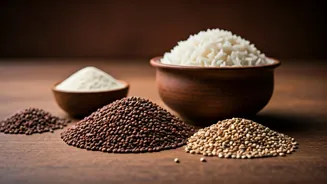
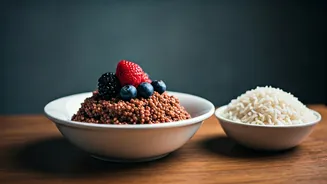
While a comforting staple, white rice is not an ideal late-night companion. It has a high glycemic index (GI), which means it can cause a rapid spike in your blood sugar levels. This initial energy surge can interfere with your natural sleep cycle. Furthermore,
white rice is low in dietary fibre, which can lead to digestive discomfort, bloating, and leave you feeling hungry again sooner. Consuming a carbohydrate-heavy meal like rice when your metabolism is slowing down for the night can also contribute to weight gain over time, as the unused energy is more likely to be stored as fat.
Why Ragi is the Smarter Late-Night Choice
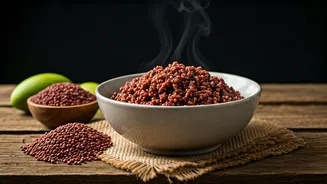
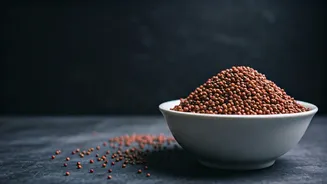
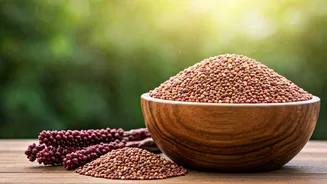
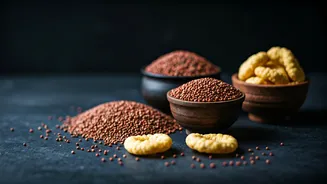
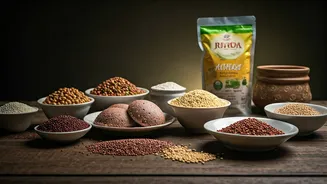
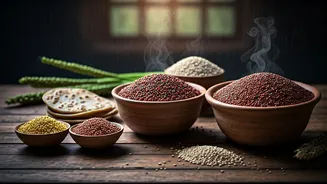
Ragi, or finger millet, stands in stark contrast to white rice. It is packed with dietary fibre, which aids digestion and promotes a feeling of fullness, preventing you from overeating or waking up hungry. Crucially, ragi has a lower glycemic index, ensuring a slow and steady release of energy that won't disrupt your blood sugar or sleep. It’s also a fantastic plant-based source of calcium, essential for bone health, and contains tryptophan, an amino acid that can help calm the mind and promote restful sleep. This nutritional profile makes it a superior choice for a satisfying and health-conscious bedtime snack.
1. Soothing Ragi Porridge (Kanji)
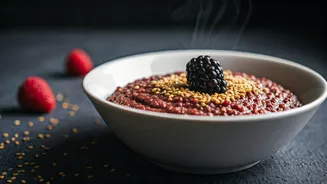
A warm bowl of ragi porridge, known as kanji or malt, is the ultimate comfort snack. It’s incredibly easy to digest and its warmth is naturally soothing before bed. To prepare, simply mix a few tablespoons of ragi flour with water to form a smooth paste, then cook on low heat with more water or milk until it thickens. You can make it savoury with a pinch of salt and buttermilk or sweet with a touch of jaggery and cardamom powder. Its high fibre content will keep you full through the night.
2. Quick Ragi Dosa or Cheela
If you crave something savoury, an instant ragi dosa or cheela is a perfect choice. Made from ragi flour, these thin crepes are light yet filling. You can make a simple batter by mixing ragi flour with water, a little curd (yoghurt), salt, and finely chopped onions or herbs. Let it rest for 15-20 minutes before pouring onto a hot pan. Since the batter requires no long fermentation, it’s a quick solution for sudden hunger pangs. Serve it plain or with a light chutney for a snack that feels like a mini-meal.
3. Healthy Ragi Ladoo
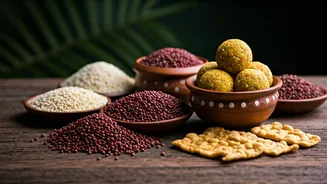
For those with a late-night sweet tooth, ragi ladoos are a guilt-free indulgence. These energy balls are typically made with ragi flour, jaggery, ghee, and nuts. They offer a perfect blend of complex carbs, healthy fats, and natural sweetness. The protein and fat from the nuts and ghee slow down sugar absorption, while the ragi provides sustained energy. You can prepare a batch in advance and store them in an airtight container for a quick, pop-in-your-mouth snack whenever cravings strike.
4. Steamed Ragi Balls (Mudde)
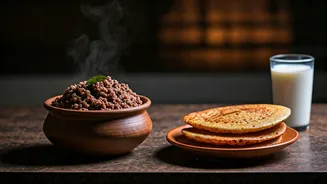
A traditional dish from Karnataka, ragi mudde is a simple, steamed ball made from finger millet flour and water. It is incredibly filling and known for its health benefits. While traditionally a meal component, a small-sized mudde can serve as a substantial late-night snack. It’s best eaten warm, paired with a simple dal, sambar, or a light vegetable curry. This option is gluten-free and packed with nutrients, ensuring you go to bed satisfied and well-nourished.
5. Crispy Ragi Crackers or Biscuits
If you desire a crunchy texture, ragi crackers or biscuits are an excellent alternative to their refined flour counterparts. You can find healthy, store-bought options or bake your own at home using ragi flour, a little whole wheat flour, and seeds for extra nutrition. These biscuits offer the satisfying crunch you crave without the blood sugar spike of regular cookies. Pair them with a spoonful of nut butter or a slice of cheese to add protein and healthy fats, which will further enhance satiety and support stable energy levels through the night.