


Beyond Simple Stargazing
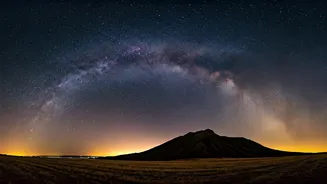
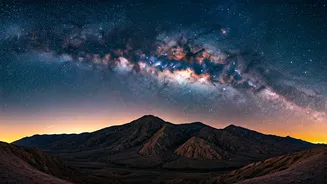
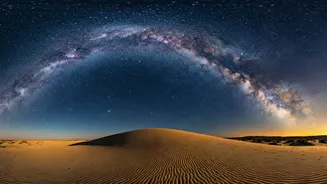
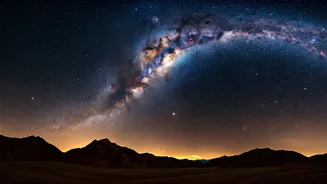
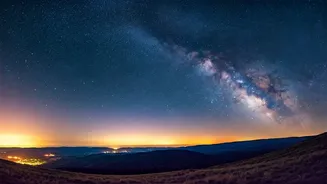
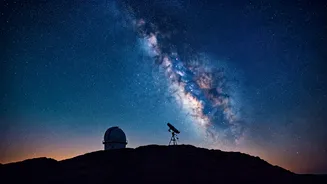
This isn't about the casual glance upwards on a clear night. This is astrotourism, a travel trend centred on experiencing the night sky in its purest, most unadulterated form. It involves travelling to remote locations, far from the glare of city lights,
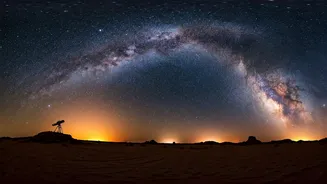
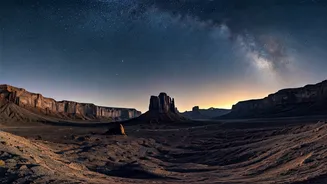
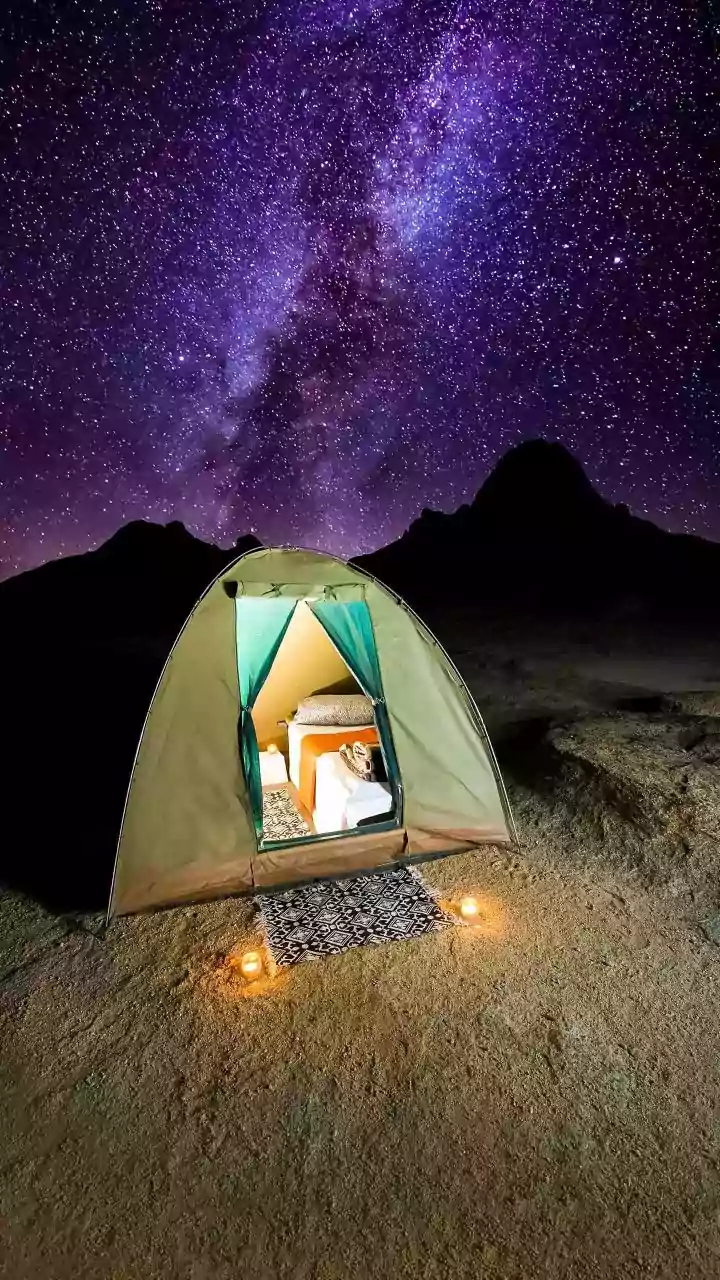
to witness celestial phenomena like the Milky Way, meteor showers, and constellations that are invisible to most of the world's population. At the heart of this movement are 'Dark Sky Reserves'—designated areas with exceptionally dark and starry nights, protected for scientific, natural, or educational purposes. These sanctuaries from light pollution offer a profound connection to the cosmos, turning a simple vacation into an unforgettable astronomical event.
A Cure for Modern Life
Why the sudden urge to seek darkness? The rise of astrotourism is a direct response to the pressures of modern life. We live in a hyper-connected world, our eyes constantly glued to screens that emit their own artificial light. The desire for a 'digital detox' has never been stronger. Astrotourism offers the ultimate escape—an opportunity to disconnect from technology and reconnect with something ancient and vast. There's a growing appreciation for 'slow travel' that prioritises meaningful experiences over ticking off landmarks. Staring into the infinite expanse of the universe provides a powerful sense of perspective, peace, and awe—a potent antidote to the anxiety and burnout of daily life.
India's Celestial Crown Jewel
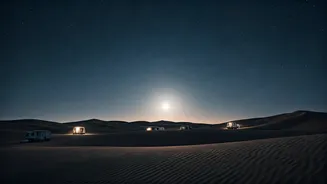
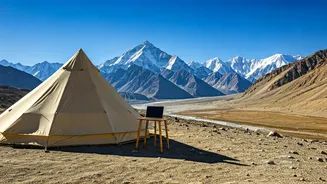
You don't need to travel across the globe for a world-class view. India is home to one of the most promising dark sky destinations on the planet: the Hanle Dark Sky Reserve in Ladakh. Located at a high altitude with clear, dry skies for most of the year, Hanle offers a celestial spectacle that is second to none. Established in 2022, this reserve is not just a win for astronomers and tourists; it's a pioneering model for sustainable development. By restricting artificial light and promoting astro-homestays, the initiative provides a new source of livelihood for the local Changpa community, ensuring that the economic benefits of tourism are shared directly with the people who call this magnificent landscape home.
A Bright Future for Darkness
The impact of astrotourism extends beyond personal wellness and local economies. It's a powerful tool for conservation. As more people experience the wonder of a truly dark sky, the movement to protect it grows stronger. Organisations like the International Dark-Sky Association (IDA) work to combat light pollution, which not only obscures our view of the stars but also disrupts ecosystems and wastes energy. Astrotourism creates a compelling economic incentive for communities and governments to preserve the night. It reframes darkness not as something to be feared or eliminated, but as a valuable and endangered natural resource worth protecting for future generations.
Planning Your Cosmic Journey
Ready to chase the stars? Planning an astrotourism trip is easier than you think. Start by researching certified Dark Sky Parks or Reserves. Check the lunar calendar and plan your visit around the New Moon, when the sky is at its darkest. You don't need a fancy telescope; a good pair of binoculars can reveal stunning details of the moon's craters, Jupiter's moons, and vast star fields. Most importantly, pack warm clothes, as clear nights are often cold, and a sense of wonder. The goal isn't just to see the stars, but to experience the silence, the scale, and the profound beauty of the night.