





The Science Behind a Simpler Thali
For years, nutrition advice often felt like a complex puzzle of vitamins, minerals, and macronutrients. The latest scientific consensus, however, is simpler: focus on whole foods. Researchers are finding that eating foods in their natural, unprocessed
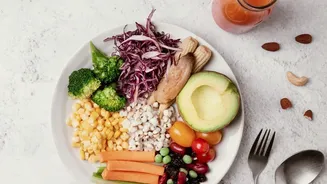
state offers a host of benefits that are hard to replicate. This shift is particularly relevant for India, where rising rates of lifestyle diseases like diabetes and heart conditions are a major concern. The Indian Council of Medical Research (ICMR) released updated dietary guidelines in 2024, emphasizing balanced diets to prevent such non-communicable diseases. The guidelines specifically recommend limiting processed foods and ensuring a plate composition where cereals and millets make up no more than 45% of calories, with a significant portion coming from pulses, vegetables, nuts, and fruits. This move towards whole, plant-based foods is linked to better gut health, lower inflammation, and reduced risk of chronic illness.
Rediscovering India's Nutritional Powerhouses
This renewed focus puts a spotlight on foods that have been part of Indian kitchens for centuries. Millets like jowar (sorghum), bajra (pearl millet), and ragi (finger millet) are making a major comeback. Once considered the food of rural India, these grains are now celebrated for being gluten-free, rich in fibre, and packed with minerals like calcium and iron. Ragi, for instance, is a calcium powerhouse, excellent for bone health, while iron-rich bajra is a traditional winter warmer. The low glycemic index of millets means they release sugar into the bloodstream slowly, helping to manage blood sugar levels, a key benefit for a country with a high prevalence of diabetes. They are also incredibly resilient crops, requiring less water than rice and wheat, which makes them an environmentally smart choice.
The Undisputed Champions: Pulses and Legumes
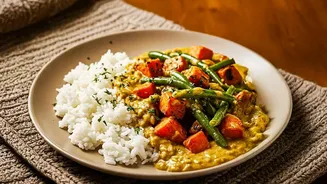
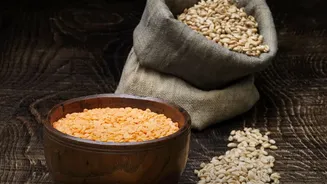
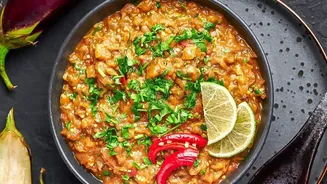
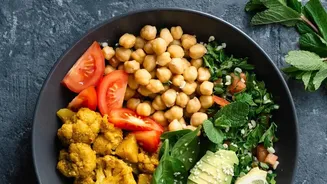
No Indian meal is complete without dal, and for good reason. Pulses—the family of lentils, beans, and chickpeas—are a cornerstone of a healthy Indian diet. When paired with whole grains like roti or rice, they form a complete protein, providing all the essential amino acids our bodies need. This combination has been a staple of our food culture long before the science on complementary proteins was understood. Beyond protein, pulses are an excellent source of dietary fibre, which aids digestion and promotes a feeling of fullness, helping with weight management. They are also rich in essential micronutrients like iron, zinc, and folate, which are crucial for overall health and preventing deficiencies like anaemia.
Simple Swaps for a Healthier Diet
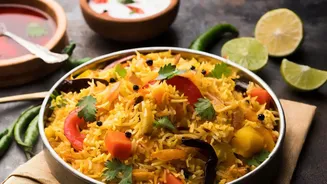
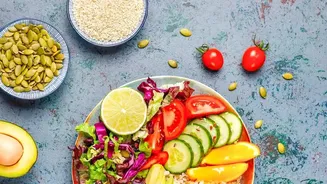
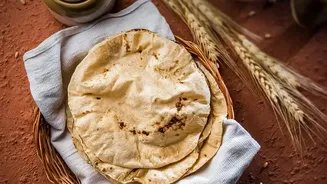
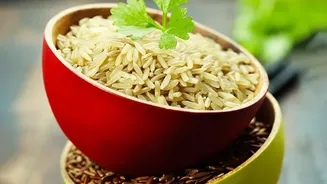
Adopting these recommendations doesn't require a complete dietary overhaul. It's about making small, sustainable changes. Start by swapping refined white rice with brown rice or millets a few times a week. You can make a delicious bajra khichdi or a jowar roti instead of the usual. Aim to include a variety of vegetables in every meal, filling half your plate with them. Ensure you eat a 'dal of the day' to get your daily dose of plant-based protein. For snacks, choose a handful of nuts or a piece of fruit over packaged and processed options. The new guidelines specifically advise minimizing consumption of foods high in fat, sugar, and salt, encouraging people to read food labels to make informed choices. The idea is not to chase expensive, exotic 'superfoods' but to embrace the affordable, accessible, and nutrient-dense foods that are part of our own culinary heritage.