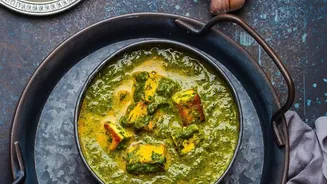





The Foundation of Flavour
Before any powdered spices enter the pot, the soul of the saag begins with its aromatic base. This holy trinity of Indian cooking—onions, garlic, and ginger—is non-negotiable. Finely chopped onions are sautéed until they soften and turn translucent, providing
a subtle sweetness that balances the occasionally bitter notes of the greens. A freshly pounded paste of ginger and garlic follows, releasing a pungent, warming fragrance. This combination doesn't just add flavour; it creates a savoury foundation upon which all other spices are built, ensuring the final dish is complex and well-rounded. Cooking this base slowly and patiently is key to avoiding any raw taste and developing a deep, satisfying richness.
The Heart of the Masala Dabba
While saag is not meant to be heavily spiced, a few key powders are essential to give it warmth and depth. Ground coriander, cumin, and turmeric are staples. Coriander lends a mild, citrusy-sweet note, while cumin provides an earthy, slightly nutty flavour. Turmeric is used more for its vibrant colour and earthy, slightly bitter taste, which also helps balance the dish and is known to aid digestion. The key is simplicity; using too many strong masalas can easily overpower the delicate, natural taste of the greens. The goal is to complement the vegetables, not mask them.
The Art of the Tadka
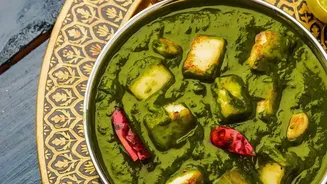
Perhaps the most transformative step in seasoning saag is the 'tadka', or tempering. This is the process of frying whole or ground spices in hot fat, like ghee or oil, to unlock their essential oils and deepest flavours. Often done as a final step, the sizzling tadka is poured over the cooked saag just before serving, creating an explosion of aroma and flavour. Common tadka ingredients for saag include cumin seeds, dried red chillies, and finely chopped garlic. As the spices hit the hot ghee, they pop and sizzle, releasing a nutty, smoky fragrance that infuses the entire dish. This technique adds not only flavour but also textural contrast, with the crispy bits of garlic or seeds adding a delightful crunch. Skipping the tadka can leave the saag tasting flat and unfinished.
Balancing Heat, Tang, and Bitterness
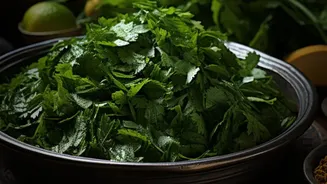
A well-made saag is a study in balance. The peppery bite of mustard greens (sarson) often needs to be mellowed. This is traditionally done by mixing them with milder greens like spinach (palak) or bathua. This blend creates a more complex and less bitter base. Heat is introduced through fresh green chillies, which are typically cooked with the aromatics to infuse a fresh, sharp spiciness. A touch of acidity, added towards the end of cooking, can brighten the entire dish. While some recipes use tomatoes in the base, a final squeeze of lemon juice can also lift the rich, earthy flavours. A pinch of asafoetida (hing) is another secret weapon, known for its ability to add a unique savoury depth and aid digestion.
The Finishing Touches
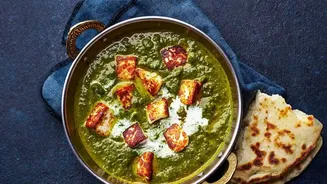
The final moments of seasoning are just as crucial. A spoonful of maize flour (makki ka atta) is often stirred into the simmering saag. This not only thickens the consistency, preventing it from becoming watery, but also adds a subtle, creamy texture and sweetness that binds all the flavours together. Just before serving, many cooks stir in a generous knob of white butter or a drizzle of ghee. This adds a final layer of richness and a glossy sheen. A sprinkle of garam masala, a warming blend of finishing spices, can also be added at the very end for an extra aromatic kick without over-cooking the delicate spice blend.