






The Old Belief: Why We Avoided Night Workouts
The traditional thinking made logical sense. Exercise revs you up. It increases your heart rate, boosts energising hormones like endorphins, and raises your core body temperature. All of these processes are the opposite of what your body naturally does
to prepare for sleep, which involves slowing your heart rate and cooling down. The concern was that by stimulating the body close to bedtime, you would interfere with its ability to transition into rest mode, making it harder to fall asleep and reducing sleep quality. This advice became a staple of sleep hygiene, leading many to believe that the only time for a good workout was in the morning or afternoon.
The New Science: It's Not If, But How
Recent research, however, has challenged this blanket ban on evening exercise. Multiple studies and meta-analyses have found that for most people, working out in the evening does not negatively affect sleep. In fact, it can sometimes even help you fall asleep faster and improve sleep quality. The crucial factors are not whether you exercise in the evening, but the intensity of the workout and its proximity to your bedtime. The relationship isn't a simple on/off switch; it’s a spectrum that depends on how you approach your fitness routine. A gentle, restorative session will have a very different effect than an all-out, high-intensity effort.
Intensity Is The Deciding Factor
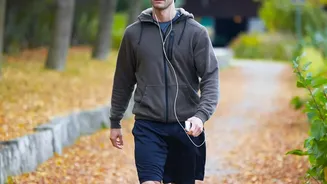
The single most important variable appears to be intensity. Low-to-moderate intensity exercises are generally considered safe, and even beneficial, to perform in the evening. Activities like yoga, light stretching, tai chi, or a casual walk or bike ride can actually help you wind down by relieving stress and promoting relaxation. On the other hand, vigorous or high-intensity exercise requires more caution. This includes activities like HIIT (high-intensity interval training), heavy weightlifting, or intense running sessions. These demanding workouts significantly elevate your heart rate and body temperature, requiring a longer cool-down period before your body is ready for sleep.
Mastering the 'Buffer Zone'
This leads to the second key principle: timing. To enjoy the benefits of an evening workout without disrupting sleep, create a “buffer zone” between the end of your session and when your head hits the pillow. Most experts recommend finishing any moderate-to-vigorous exercise at least 90 minutes to two hours before bedtime. Some studies suggest a more conservative window of up to four hours for particularly strenuous workouts to ensure your body fully recovers. This buffer allows your heart rate to slow, your core body temperature to drop, and stimulating endorphin levels to normalise, all of which are critical for falling asleep.
A Surprising Sleep Aid?
Paradoxically, the very thing that seems disruptive—raising your body temperature—can actually help you sleep better if timed correctly. After you exercise, your core body temperature begins to fall. This post-exercise drop mimics the natural decrease in body temperature that signals to your brain that it's time for sleep. By creating a more pronounced temperature drop a couple of hours before bed, you can potentially enhance this sleep-inducing signal. Furthermore, regular physical activity is a proven tool for reducing anxiety and decompressing the mind, which is essential for transitioning from a busy day to a restful night.
Listen to Your Body
Ultimately, there is no one-size-fits-all answer. Individual responses to evening exercise can vary widely. Factors like your personal fitness level, your daily routine, and even your natural chronotype (whether you're a “morning lark” or a “night owl”) can influence how a late workout affects you. Some people may find they can perform vigorous exercise an hour before bed and sleep soundly, while others might need a much longer buffer. The best approach is to experiment. Try different types of exercise at different times in the evening and pay close attention to how you feel and, most importantly, how you sleep.