





The Age-Old Monsoon Gamble
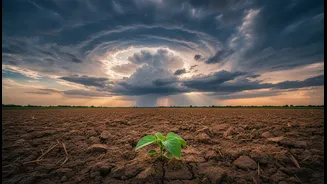
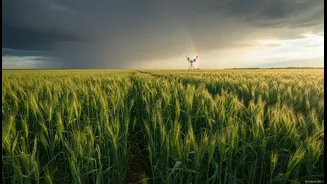
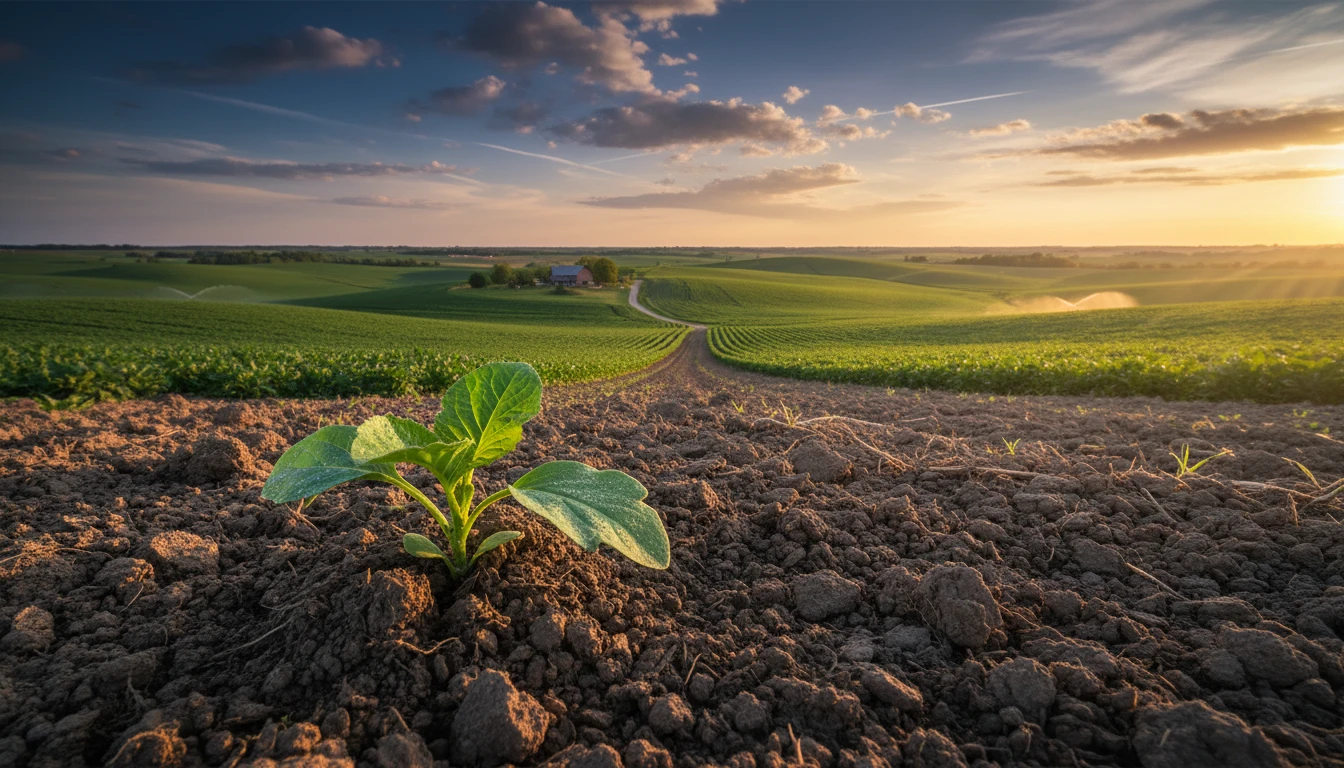
Farming in India, where more than half of the agricultural land is rain-fed, has always been dictated by the monsoon. An early or delayed monsoon can be the difference between a profitable harvest and crippling debt. Farmers must make critical decisions
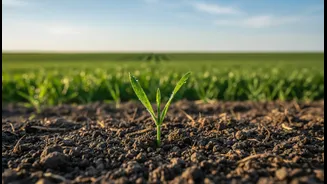
on what to plant, how much land to cultivate, and when to buy seeds and fertilisers, often with little certainty about the upcoming season. An earlier monsoon, for example, signals a longer growing season suitable for high-value cash crops like cotton. A delayed onset often forces a switch to lower-value subsistence crops. This uncertainty has traditionally led many farmers to underinvest in their fields to minimise potential losses, trapping them in a cycle of low risk and low returns.
A New Forecasting Frontier
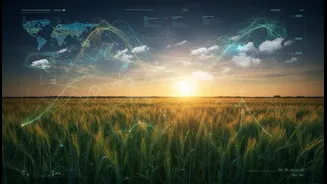
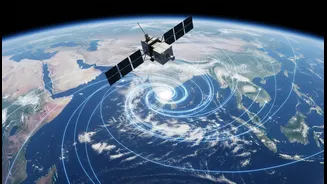
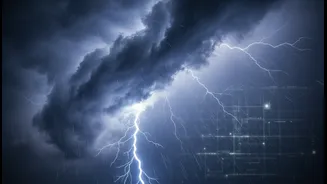
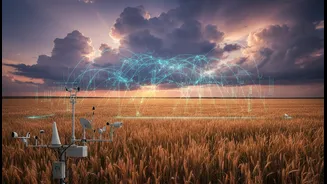
The science of weather prediction in India is undergoing a major transformation, moving beyond traditional methods. The India Meteorological Department (IMD) has made significant strides, improving the accuracy of its forecasts for severe weather events by nearly 40 percent over the last decade. Recently, the IMD has introduced artificial intelligence (AI) into its models. These new systems combine decades of historical weather data with advanced physics-based models to generate more precise and localised predictions. This hybrid approach allows for forecasts that are not only more accurate but can also be generated faster and with less computing power. In May 2026, the IMD launched an AI-enabled system designed to predict the monsoon's advance at the block level up to four weeks in advance. This marks a pivotal shift from broad, regional forecasts to hyper-local information that can pinpoint rainfall within a one-kilometre area.
From Forecast to Farmland
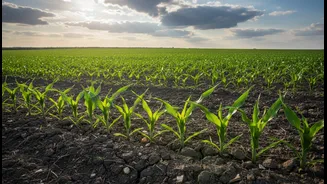
A longer lead time is more than just a convenience; it's a powerful tool for strategic planning. With a forecast of up to four weeks, farmers can make informed, proactive decisions instead of reactive guesses. If the forecast predicts a timely and healthy monsoon, a farmer might invest in higher-yielding seeds or expand the area of cultivation. If a delay is predicted, they can opt for more drought-resistant crop varieties or conserve resources. Studies have shown that when farmers receive accurate long-range forecasts, they change their behaviour. One study found that farmers who received good news about an expected longer growing season increased their cultivated land by 15% and were more likely to plant cash crops. This ability to plan also affects the procurement of inputs like seeds and fertiliser, allowing farmers to purchase them in a timely manner and potentially at better prices.
The Economic Ripple Effect
The benefits of better forecasting extend far beyond individual farms. When farmers can successfully align their planting decisions with weather patterns, it leads to higher yields and increased agricultural output. This boosts farmer income and can significantly reduce agricultural debt. One study found that access to accurate early forecasts nearly doubled farmers' annual incomes by enabling them to make better choices. For those who received a forecast of poor conditions, the information was just as valuable, allowing them to reduce investment in unprofitable farming and diversify into other non-agricultural businesses. On a national scale, a more stable and productive agricultural sector contributes to food security, reduces the government's need for massive drought relief spending, and helps control food price inflation.
The Challenge of the Last Mile
Developing advanced forecasting technology is only half the battle. The ultimate success of these systems depends on 'last-mile connectivity'—ensuring that the information reaches every farmer in a timely and understandable format. The government and various agencies are now focused on this crucial step. New forecasts are being disseminated through a wide array of channels, including SMS alerts, mobile apps like WhatsApp, and dedicated portals for farmers. The goal is to provide actionable advice that is tailored not just to a district, but to a specific block or even village. By integrating these high-tech forecasts with agricultural extension services, India is working to ensure that scientific advancements translate directly into tangible benefits for the millions of farmers who form the backbone of the nation's economy.