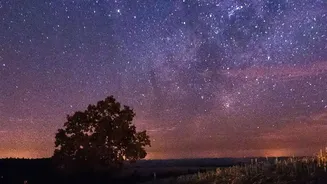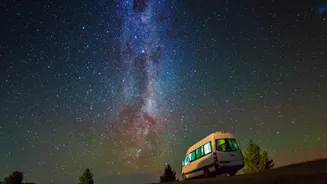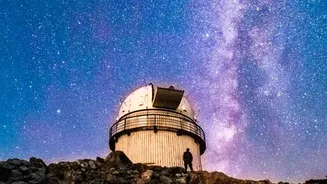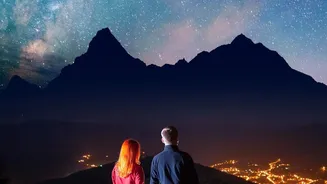




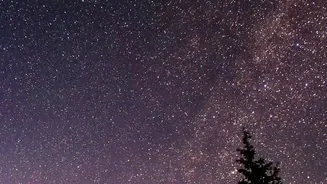


What is Dark-Sky Tourism?
Astro-tourism is travel built around the night sky. It involves visiting locations far from the light and air pollution of cities to experience the natural darkness and see the stars, planets, and galaxies in their full glory. This isn't just about casual
stargazing; it's an immersive experience that can include everything from astrophotography workshops to guided sessions with powerful telescopes. As urban skies become increasingly obscured, the simple act of looking up at a pristine night sky is becoming a rare and sought-after experience, driving people to journey for a glimpse of the universe.
The Appeal for Young Travellers
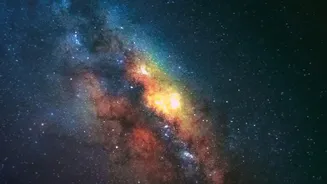
For young Indians, the appeal of dark-sky tourism lies in its blend of adventure, digital detox, and unique content opportunities. It represents a shift away from fast-paced, checklist-driven holidays towards slower, more meaningful experiences. Many are drawn by the desire for emotional restoration and a break from hyper-connectivity. In a world saturated with typical travel photos, images of the Milky Way arching over a Himalayan landscape offer a distinct and awe-inspiring aesthetic. This trend also taps into a growing environmental consciousness and an interest in science, spurred by India's recent successes in space exploration.
Hanle, Ladakh: India’s Premier Dark-Sky Destination
At the forefront of India's astro-tourism boom is Hanle in Ladakh, home to India’s first officially designated Dark Sky Reserve. Located at a high altitude with a dry climate, Hanle offers over 250 clear nights a year, making it one of the best stargazing sites in the world. Since its designation in 2022, visitor numbers have surged dramatically. Local villagers have been trained as 'Astronomy Ambassadors' to guide tourists, providing telescope viewings and creating a sustainable tourism model that benefits the community. The sky here is so dark that the Milky Way is easily visible to the naked eye.
Other Stargazing Hotspots
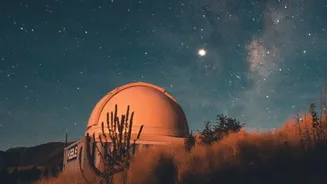
While Hanle is the crown jewel, other regions are also emerging as key destinations. Spiti Valley in Himachal Pradesh, another high-altitude cold desert, offers exceptionally dark skies in villages like Kaza and Kibber. The Rann of Kutch in Gujarat provides a surreal setting, with the vast white salt desert reflecting starlight on moonless nights, especially during the Rann Utsav festival. In the south, the coffee plantations of Coorg, Karnataka, offer accessible dark skies away from the monsoon season. For those seeking organised experiences, companies like Starscapes and Astroport Global have set up observatories and resorts in locations including Uttarakhand and Rajasthan.
How to Plan Your Stargazing Trip
Planning a dark-sky trip requires some specific considerations. The best viewing conditions are typically during a New Moon, when moonlight doesn't wash out the stars. The clearest skies in most parts of India are found in the dry winter months, from November to February. You don't necessarily need your own telescope to get started; many organised tours and astrotourism sites provide equipment. Simple binoculars can be a great, portable tool to enhance your view. For photography, a DSLR or mirrorless camera with manual controls and a tripod are essential to capture the night sky.