



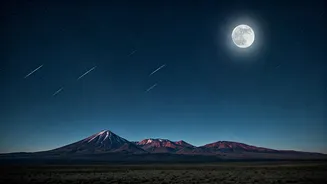


A Celestial Double-Feature
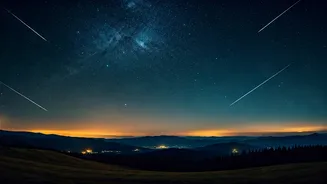
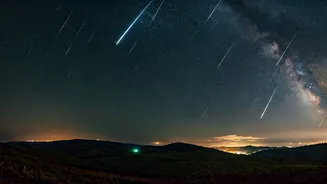
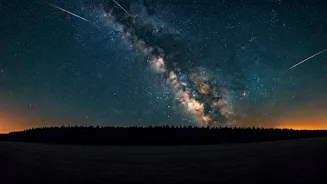
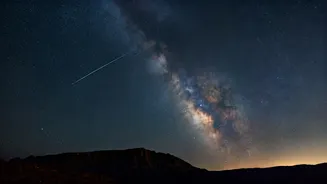
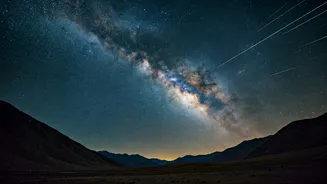
At the end of July, Earth will pass through the debris trails of two different celestial objects, creating two meteor showers that peak simultaneously. The Southern Delta Aquariids and the Alpha Capricornids will both reach their maximum activity on the night
of July 30-31, 2026. The Southern Delta Aquariids are the more prolific of the two, capable of producing up to 25 meteors per hour under ideal conditions. The Alpha Capricornids produce fewer meteors—only about five per hour—but are famous for their bright, slow-moving fireballs. This overlap means skywatchers have the chance to see both the steady streaks of the Aquariids and the occasional, brilliant flash of a Capricornid fireball in the same night.
The Challenge: A Bright Moon
There's a significant catch for would-be meteor watchers in 2026. The peak of both showers occurs just after the full moon on July 29. This means a very bright, nearly full moon will be in the sky for most of the night, washing out all but the brightest meteors. Its glare will significantly reduce the number of visible shooting stars, making it even more critical to find a viewing spot with as little artificial light pollution as possible. Don't be discouraged, but do be prepared: this is not a year for casual viewing from a city balcony. The moonlight makes a dedicated trip to a truly dark location essential for a rewarding experience.
How to Find a Dark Sky
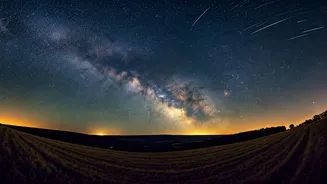
The single most important factor for viewing these showers will be getting away from city and town lights. The goal is to find a location with a clear, unobstructed view of the sky, far from the light dome of urban areas. In India, this could mean heading to designated dark sky locations like the Hanle Dark Sky Reserve in Ladakh or Spiti Valley. For those seeking more accessible options, consider national parks, wildlife sanctuaries, or the vast expanses of the Thar Desert near Jaisalmer. Even driving an hour or two away from city limits to a rural area can make a huge difference. Check for local astronomy clubs or resorts that may be hosting viewing events in certified dark sky spots, like Pench Tiger Reserve.
Your Meteor-Watching Toolkit
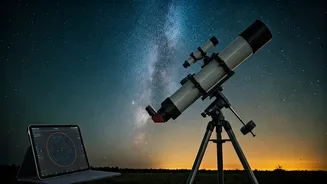
You don't need a telescope or binoculars to watch a meteor shower; your eyes are the best tool for the job. What you do need is comfort and patience. Pack a reclining chair or a thick blanket to lie on, as looking straight up for long periods can strain your neck. Dress in warm layers, as even summer nights can get chilly, especially in the pre-dawn hours when viewing is best. Bring snacks and a thermos with a warm drink to stay comfortable. Crucially, use a red-light torch if you need light, as white light from a phone or regular flashlight will ruin your night vision. Allow your eyes at least 20 minutes to fully adapt to the darkness once you've settled in.
The Best Way to Watch
The best time to watch is after midnight and into the early hours before dawn, when the radiant—the point from which the meteors appear to originate—is highest in the sky. For these showers, the radiant will be in the southern sky, in the constellations Aquarius and Capricornus. However, you don't need to stare directly at the radiant. In fact, meteors will appear all over the sky, and those seen farther from the radiant will have longer, more spectacular trails. Simply lie back, look up at the darkest part of the sky you can find, and be patient. The reward for your planning will be a glimpse of cosmic dust burning up in our atmosphere, a fleeting light show from the far reaches of the solar system.