






For Weight Management
To manage weight, the goal is often to burn more calories. Aerobic exercises are excellent for this. Activities that engage multiple large muscle groups are particularly effective. Brisk walking, jogging, running, and cycling are all fantastic choices
that elevate your heart rate and burn significant calories. High-Intensity Interval Training (HIIT) is another powerful option. HIIT involves short bursts of intense exercise followed by brief recovery periods. This method not only burns a lot of calories in a short time but also boosts your metabolism even after the workout is over. Swimming is a full-body, low-impact alternative that is gentle on the joints while still providing a substantial calorie burn. The most effective exercise for weight loss is one you enjoy and can do consistently.
For Building Strength and Muscle
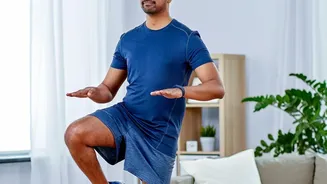
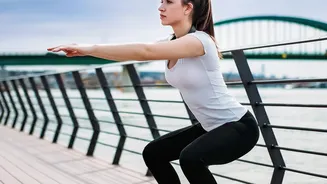
Building muscle requires resistance training, where your muscles work against a force or weight. This doesn't just mean lifting heavy barbells. Compound exercises, which work multiple joints and muscle groups simultaneously, are highly efficient for building overall strength. Key examples include squats, deadlifts, push-ups, and pull-ups. These movements stimulate broad muscle growth and improve real-world functional strength. Isolation exercises, like bicep curls or leg extensions, are also valuable for targeting specific muscles and correcting imbalances. For beginners, starting with bodyweight exercises such as planks, lunges, and push-ups can build a solid foundation before adding external weights. The key to muscle growth is progressive overload—gradually increasing the weight, reps, or difficulty over time.
For Heart and Lung Health
Cardiovascular or 'cardio' exercise strengthens your heart and improves how your body uses oxygen. The recommendation is to aim for at least 150 minutes of moderate-intensity aerobic activity per week. Activities like brisk walking, running, swimming, and cycling are classic examples of exercises that boost heart health by improving circulation and lowering blood pressure. Dancing is another excellent and often more enjoyable option that gets your heart pumping. Even activities like vigorous gardening or jumping rope contribute to your weekly goal. These exercises not only reduce the risk of heart disease but also improve stamina, giving you more energy for daily life.
For Flexibility and Mobility
Flexibility is the ability of your joints to move through their full range of motion, which is crucial for preventing injury and performing daily activities with ease. Stretching is the primary way to improve it. Dynamic stretching, which involves controlled movements like arm circles and leg swings, is ideal before a workout to warm up muscles. Static stretching, where you hold a position for a period, is best done after a workout when your muscles are warm. Activities like yoga and tai chi are renowned for their ability to enhance both flexibility and balance. Simple, consistent stretches targeting major muscle groups like the hamstrings, hip flexors, chest, and back can make a significant difference in your mobility. Even a few minutes of stretching each day can help relieve tension and keep you moving freely.