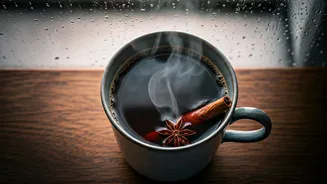









More Than Just a Beverage
The connection between the Indian monsoon and masala chai is more than just a habit; it’s a cherished cultural ritual. It’s a sensory experience that wraps you in a blanket of warmth and nostalgia. As the rain provides a cool, dramatic backdrop, the chai offers
an internal counterpoint—a burst of heat, spice, and sweetness. It's the official flavour of comfort, a liquid hug that chases away the damp chill. For many, the aroma of ginger, cardamom, and cloves simmering on the stove is the very essence of a rainy day well spent. It’s a moment to pause, to watch the downpour from a window, and to connect with a tradition shared by millions. This isn’t just about quenching thirst; it’s about creating an atmosphere of cozy contentment.
The Soul of the Spice Box
A truly great masala chai is a symphony of flavours, and the spices are its orchestra. While recipes vary from household to household, a classic blend relies on a core group of aromatic heroes. Ginger (adrak) is non-negotiable for its sharp, pungent heat that warms you from the inside out. Green cardamom (elaichi) provides a sweet, floral fragrance that defines the chai’s aroma. Cloves (laung) add a strong, slightly medicinal warmth, while cinnamon (dalchini) contributes a woody sweetness. Finally, a few black peppercorns (kali mirch) can be added for an extra kick of heat that cuts through the milkiness. The secret is to use whole spices and crush them fresh just before brewing. This simple act unlocks their essential oils, releasing a depth of flavour that pre-ground powders can never match.
The Art of a Perfect Brew
Making masala chai is a process, not a rush. First, start by bringing water to a boil with your freshly crushed spices. Let them simmer for a minute or two to infuse the water with their essence. This is a crucial step; adding milk too early will mute the flavours. Next, add strong black tea leaves—a robust CTC (Crush, Tear, Curl) tea is traditional and stands up well to the milk and spices. Let the tea brew for another minute until the liquid is dark and fragrant. Now, it's time for the milk. Pour it in and bring the mixture back to a simmer. The key is to let it bubble gently, allowing the flavours to meld and the tea to become rich and creamy. Avoid a rolling boil, which can scald the milk. Once it reaches a beautiful, caramel colour, add sugar to your taste, stir, and strain the chai into cups.
Common Chai Mistakes to Avoid
Even with the best intentions, a few common mistakes can lead to a disappointing cup. The most frequent error is using old, pre-ground spice mixes. They lack the vibrant punch of fresh spices. Another pitfall is being impatient. Chai needs time to simmer; rushing the process results in a weak, watery drink. Don't be tempted to just dunk a tea bag in spiced milk. The magic happens when the tea leaves and spices brew together in the water first. Also, pay attention to your ratios. Too much milk can make the chai bland, while too little can make it harsh. A good starting point is a 1:1 ratio of water to milk, which you can adjust to your preference. Finally, don't underestimate the quality of your tea leaves. A strong, malty black tea is essential to balance the creaminess of the milk and the intensity of the spices.
The Perfect Rainy Day Pairing
While masala chai is the star of the show, its performance is elevated by the right supporting cast. The ultimate rainy-day companion is a plate of hot, crispy pakoras (fritters). Whether it's onion, potato, or paneer, the combination of savoury, deep-fried goodness with sweet, spicy chai is a match made in heaven. The textures and temperatures play off each other perfectly. For something simpler, classic biscuits like Parle-G or a crumbly butter cookie are perfect for dipping. The simple act of dunking a biscuit into your chai until it’s just on the verge of collapsing is a small, satisfying joy. Samosas, with their spiced potato filling, also make for an excellent and more substantial partner to a steaming cup.