


The Scale of the Festive Migration
India's festival season, spanning from Durga Puja in October to Diwali and Chhath in November, triggers one of the largest annual movements of people on the planet. This isn't just a holiday rush; it's a deep-seated cultural tradition of returning home.
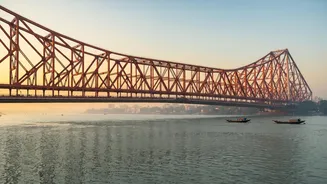
The demand splits into distinct waves: a massive inbound rush to Kolkata for Durga Puja, followed by a broader national migration for Diwali. This year, with Durga Puja's main days from October 16-20 and Diwali on November 8, authorities are planning for a sustained period of intense travel pressure. The waiting list for Bengal-bound trains ahead of Puja, for instance, has already crossed 290 for many services, signaling the immense demand that transport networks must absorb.
Railways on Overdrive with Special Services
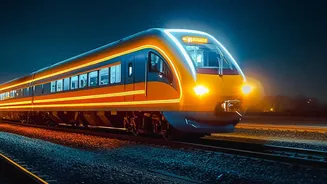
Indian Railways, the backbone of this festive migration, has rolled out an extensive plan. A significant number of 'Festival Special' trains are being introduced from September through December to connect major hubs and clear the extra rush. In a first, the Railways is running direct services connecting northern and southern states like Uttar Pradesh, Maharashtra, and Karnataka to avoid the hassle of changing trains at congested junctions like Bhopal or Jhansi. For the eastern corridor, Eastern Railway is planning numerous special trains to manage the flow of passengers heading to West Bengal for Durga Puja. These trains, often comprising 19 to 22 coaches with a mix of AC, Sleeper, and General compartments, are designed to cater to travelers from all income groups.
Kolkata's All-Night Metro and Pandal Plan
As the global epicenter of Durga Puja, Kolkata's preparations are particularly intense. The city's Metro is the lifeline for millions of pandal-hoppers. To cope with the crowds, Kolkata Metro will run special services, including all-night trains on the main Blue Line during the peak days of Saptami, Ashtami, and Navami. Services on the Green Line, which includes the underwater route, will also be extended beyond midnight. Beyond transport, navigating the city itself requires planning. Many roads around major pandals are diverted, making walking and the Metro the most reliable options. For those wanting to experience the famous theme-based pandals in South Kolkata or the traditional ones in the North, it's advisable to start early or go late to avoid the peak rush between 8 PM and 10 PM.
Varanasi's Tech-Driven Crowd Management
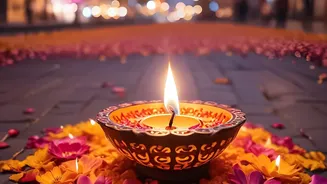
Varanasi, a city that sees a constant flow of pilgrims, faces a dual challenge during the festival season, culminating in the spectacular Dev Deepawali. To manage the immense crowds at the Kashi Vishwanath Temple and the ghats, the administration is leaning heavily on technology. An AI-based monitoring system is being deployed to analyze crowd movement in real-time, identify congestion hotspots, and send alerts to security personnel. This supplements extensive on-ground measures, including barricading, medical facilities, and sanitation drives. During Dev Deepawali, when over a million lamps light up the ghats, traffic restrictions are severe, and vehicle access near the riverfront is cut off. Visitors are advised to reach the ghat area by early afternoon and be prepared to walk extensively.
Airports and Roads Brace for Impact
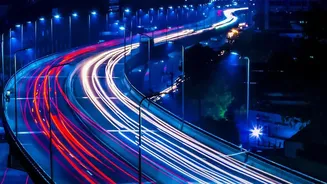
Airports across the country are also gearing up for the surge. The Airports Authority of India (AAI) has been focusing on enhancing passenger experience through initiatives like DigiYatra, which is now operational at 38 airports and helps facilitate seamless, contactless travel. Airlines typically add flights on high-demand routes, but fares for the days immediately preceding Diwali can skyrocket, so booking well in advance is critical. On the roads, state transport corporations often run special bus services to connect cities with smaller towns and villages. However, highways, especially those leading out of major metros, experience heavy congestion. For those driving, planning to travel a day or two before the peak rush can make a significant difference.