








Decoding the Fuel Jargon: E20 vs. Flex-Fuel
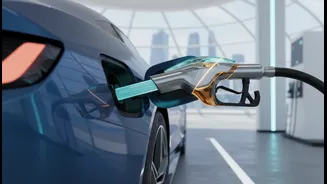
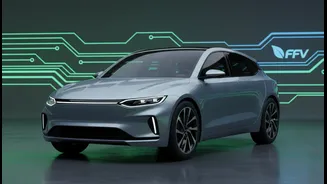
First, let's break down the terms. E20 petrol is a blend of 20% ethanol and 80% petrol. Ethanol is a biofuel, primarily produced from sugarcane and other grains in India. A full 'flex-fuel' vehicle (FFV) is more advanced; it's designed with a special
engine and fuel system that can run on a flexible range of ethanol blends, typically from E20 all the way up to E85 (85% ethanol). The E20-compliant cars we see today are an intermediate step, not full FFVs. They are engineered to run reliably on the new standard E20 petrol that is now widely available across the country.
The Government's National Biofuel Policy
The widespread shift to E20-compliant vehicles is a direct consequence of India's National Policy on Biofuels. The government has two primary motives: reducing the nation's massive crude oil import bill and supporting the agricultural sector by creating a stable market for surplus crops like sugarcane. To accelerate this, the government advanced its target for rolling out E20 fuel nationwide from 2030 to 2025. This aggressive timeline effectively mandated that automakers adapt their products quickly, making E20 compatibility a standard feature for all new petrol vehicles sold from April 2023 onwards, as part of the BS6 Phase 2 emission norms.
Why E20 is a Strategic First Step
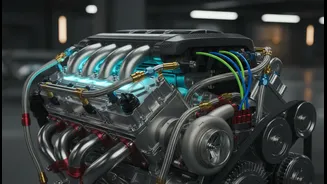
The core of the issue is why automakers have overwhelmingly launched E20 cars rather than jumping straight to full flex-fuel vehicles. The answer lies in a pragmatic, phased approach. Developing a true FFV capable of handling high ethanol blends like E85 requires significant engineering changes. Ethanol is more corrosive than petrol and can degrade rubber and plastic components in a standard fuel system. FFVs need upgraded fuel lines, seals, pumps, and engine control units (ECUs) to manage different blends automatically. These changes add to the manufacturing cost. E20 compliance, on the other hand, requires far less modification. Automakers could adapt their existing BS6 Phase 2 engine platforms for E20 with minimal investment, allowing them to meet the new regulations without a complete vehicle overhaul.
The Automaker's Calculation
For car manufacturers, the move to E20 was the most logical business decision. It aligned with the government's immediate policy goals and the available fuel infrastructure. A sudden leap to FFVs would be risky when E85 fuel is not yet widely available. By making their entire fleet E20-compliant, automakers ensure their products are ready for the new standard fuel across India. This avoids customer confusion and potential warranty issues. It also buys them time to develop cost-effective FFV technology for the next phase of the transition, as the government has already signalled its long-term interest in higher ethanol blends. Major manufacturers have stated that their E20-compliant vehicles have been extensively tested and are safe, addressing concerns about engine durability.
What This Means For Car Buyers
For the consumer, the transition has been mostly seamless for new car buyers, as all post-2023 models are designed for E20. The primary trade-off is a slight dip in fuel efficiency. Ethanol has a lower energy density than petrol, which means the engine consumes slightly more fuel to produce the same power. Automakers and government bodies acknowledge a minor mileage reduction, typically in the range of 3-6%, for E20-compliant cars compared to older fuel blends. However, the higher octane rating of E20 fuel can lead to cleaner combustion and better engine performance. The debate continues around the impact on older, non-compliant vehicles, but for new car buyers, the industry has adapted to the new normal.