




What Exactly Is El Niño?
El Niño is a naturally occurring climate pattern defined by the unusual warming of sea surface temperatures in the central and eastern equatorial Pacific Ocean. It is one phase of a larger cycle called the El Niño-Southern Oscillation (ENSO). Under normal
conditions, trade winds blow from east to west, pushing warm surface water towards Asia and Australia. This process supports the atmospheric circulation that brings moisture-laden monsoon winds to India. During an El Niño event, these trade winds weaken or even reverse. The warm water that is normally pushed west spreads eastward, disrupting typical weather patterns across the globe. Its counterpart, La Niña, involves the cooling of these same ocean waters and often has the opposite effect, favouring wetter conditions for India.
The Critical Link to India's Monsoon
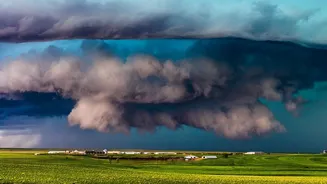
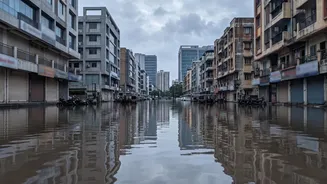
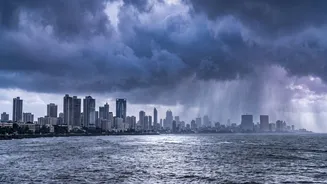
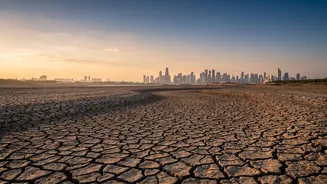
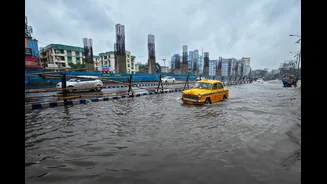
The primary reason El Niño is watched so intently in India is its strong, though not guaranteed, connection to the southwest monsoon. A significant portion of Indian agriculture is rainfed, making the June-to-September monsoon the lifeblood of the rural economy. El Niño events are often associated with weaker monsoons, leading to reduced overall rainfall across the subcontinent. Forecasts for 2026 suggest a developing El Niño could become exceptionally strong, raising concerns about its impact on the ongoing monsoon. However, the relationship is complex; an El Niño year does not automatically mean a drought. Other factors like the Indian Ocean Dipole (IOD) and regional weather systems also play a crucial role. Interestingly, some studies show El Niño can lead to lower seasonal rainfall but increase the intensity of daily rainfall, creating a paradoxical risk of both drought and flash floods.
A Season of Anxiety for Farmers
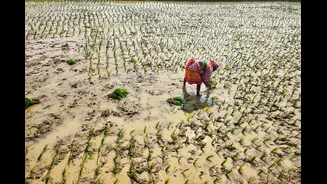
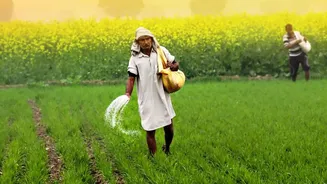
For India's farmers, an El Niño forecast brings a wave of uncertainty. A weak or delayed monsoon can disrupt the entire agricultural cycle, particularly for kharif (summer) crops like rice, maize, and pulses that are planted at the start of the rains. Insufficient rainfall can lead to delayed sowing, reduced crop area, and lower yields, directly impacting farmers' incomes. This can push farmers into debt and threaten their livelihoods. The Food and Agriculture Organization (FAO) has identified India as one of the countries most exposed to agricultural drought during El Niño events because of its high dependence on rainfed crops. States are now using hyper-local planning, categorising districts and even villages into risk tiers to provide targeted advice on crop choices and water conservation.
The View from the Corridors of Power
Policymakers from the state level to the Prime Minister's Office monitor El Niño with equal intensity, but for different reasons. Their primary concerns are food security and inflation. A drop in agricultural production can lead to a shortage of essential commodities, driving up food prices and affecting household budgets across the nation. This puts pressure on the government to manage its food stocks, potentially releasing grains from reserves or even curbing exports to ensure domestic availability. Furthermore, poor agricultural performance can slow down the entire economy, as reduced rural incomes lead to weaker consumer demand for everything from tractors to fast-moving consumer goods. Some estimates suggest a severe El Niño could cost the Indian economy dearly, potentially shaving points off GDP growth.
Preparedness Is the New Watchword
Given the high stakes, the focus has shifted from panic to proactive management. The Indian government has adopted a stance of "preparedness, not panic," creating detailed contingency plans for hundreds of agricultural districts. These plans involve monitoring rainfall and reservoir levels, ensuring the availability of seeds for alternative crops, and providing advisories to farmers. High-level meetings are convened to review the situation and coordinate responses across various ministries, including agriculture, water resources, and health, to manage everything from water conservation to potential outbreaks of vector-borne diseases. In Andhra Pradesh, for example, officials began preparing based on predictive models months in advance of the 2026 monsoon.