






Beyond the Diwali Boom
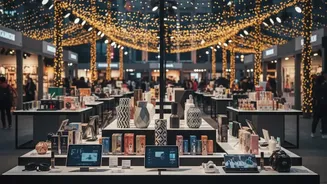
The period leading up to Diwali has long been the undisputed champion of Indian retail, with e-commerce platforms alone generating enormous sales in the 30-35 days prior. This window, marked by flagship sales from giants like Amazon and Flipkart, traditionally
accounted for a huge chunk of annual revenue. However, brands are waking up to a new reality: India doesn't have one festive season; it has dozens. Festivals like Onam in Kerala, Durga Puja in West Bengal, Ganesh Chaturthi in Maharashtra, and Pongal in Tamil Nadu are no longer just cultural dates but significant commercial events driving regional economies and creating new sales peaks. Marketers now recognize that over half of festive-related activity happens outside of the main Diwali window.
The Shift to Regional Strategy
This evolving landscape is forcing a strategic rethink. The old model of a single, nationwide campaign is giving way to a more nuanced, regional approach. Brands are increasingly creating localized campaigns, using vernacular content, and collaborating with regional influencers to connect with audiences in a culturally relevant way. For example, the Onam period in Kerala sees an estimated consumer spend of ₹22,000 to ₹25,000 crore, prompting heavy advertising and promotions from jewellery, apparel, and electronics brands specific to that market. This micro-targeting acknowledges that a consumer in Punjab during Baisakhi has different purchasing triggers than one in Kolkata during Durga Puja.
E-commerce and Quick Commerce as Catalysts
Digital platforms have been instrumental in unlocking this distributed festive calendar. E-commerce allows brands to pivot marketing efforts quickly from one festival to the next, while the rise of quick commerce is creating new opportunities altogether. Platforms like Zepto, Blinkit, and Instamart are turning smaller occasions and even fasting periods like Navratri or Ekadashi into micro-sale events with dedicated digital storefronts and curated product collections. This allows for the monetization of impulse buys and last-minute needs, from vrat-friendly snacks to festive decorations. Quick commerce is projected to account for a significant and growing share of total online festive sales, fundamentally changing the composition of the market.
What's Driving the Change
Several factors are fueling this trend from the consumer side. Growing disposable incomes, deeper internet penetration in Tier 2 and Tier 3 cities, and the influence of social media have created a more aspirational and engaged shopper. These shoppers, particularly the growing Gen Z cohort, are driving demand across new categories. While electronics once dominated festive sales, categories like beauty and personal care, fashion, home goods, and even groceries are now seeing explosive growth. Consumers are also starting their festive shopping earlier, moving from last-minute rushes to a more prolonged season of discovery and purchasing that can begin as early as August.
A Year-Long Marathon
The implication for retailers is clear: the festive season is no longer a short sprint but a year-long marathon. Success now depends on sophisticated planning, from building audiences during quieter months to managing inventory for multiple, successive sales peaks. Brands are learning to tailor not just their marketing messages but also their product assortments. During Onam, traditional apparel and sadya-related items are key, while for Ganesh Chaturthi, home decor and modak ingredients might trend. This strategic pivot reflects a deeper understanding of India’s cultural fabric and its powerful influence on consumer behaviour, turning regional pride and celebration into the next frontier of retail growth.