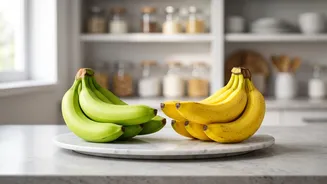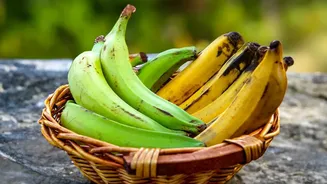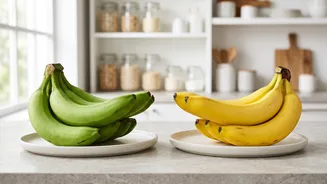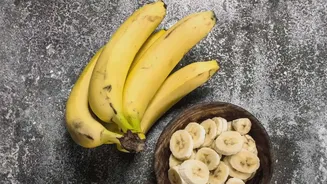

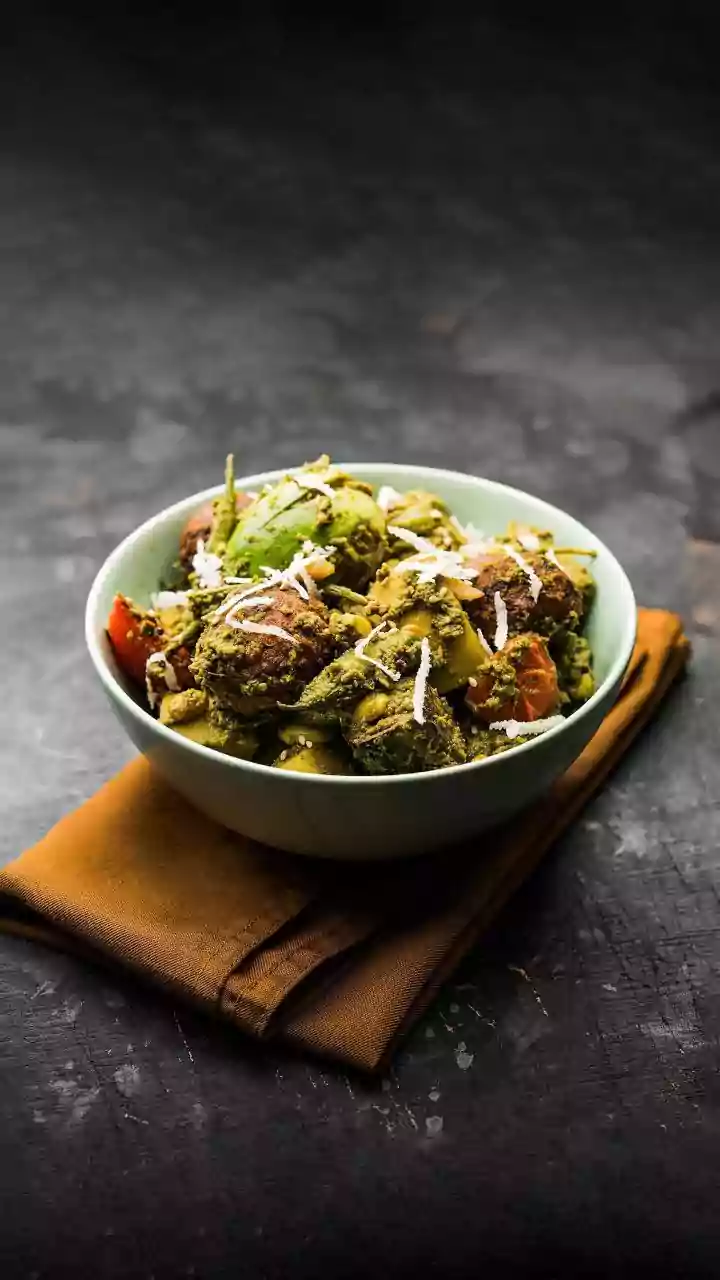



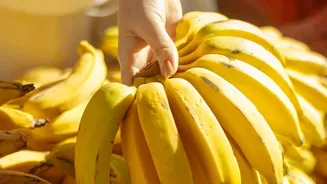
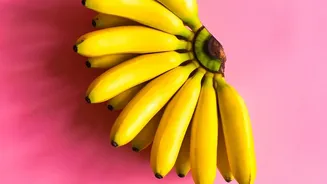
It's a universal kitchen counter story: the journey of a banana from vibrant green to a perfectly yellow, and eventually, a spotty brown. But beyond the change in colour and taste, does its nutritional value transform, too? The answer is yes.
The Green Banana: A Starch Powerhouse
When a banana
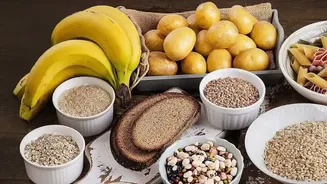
is green, firm, and slightly bitter, its primary component is starch. Specifically, it's packed with something called resistant starch. As the name suggests, this type of starch 'resists' digestion in your small intestine. Instead, it travels largely intact to your colon. Unripe bananas can contain up to 70-80% starch by dry weight, making them one of the best whole-food sources of this unique carbohydrate. This high starch content is why green bananas have a firmer, sometimes described as waxy, texture and are less sweet than their yellow counterparts. They also contain a good amount of pectin, a structural fibre that helps the fruit maintain its form.
The Sweet Transformation to Ripe
As a banana ripens, a fascinating chemical process unfolds. Triggered by the plant hormone ethylene, enzymes like amylase get to work, breaking down the complex resistant starch into simple sugars. This enzymatic action converts the once starchy fruit into one that is rich in sucrose, glucose, and fructose. This is why a yellow, ripe banana is so much softer and sweeter. By the time a banana is fully ripe, its starch content can plummet to as low as 1%. While the resistant starch decreases, some other beneficial compounds, including certain antioxidants, increase as the fruit matures. The pectin content also begins to break down, contributing to the softer, mushier texture of a very ripe banana.
For Gut Health and Blood Sugar Control
The high resistant starch content in green bananas makes them a champion for gut health. Because it bypasses early digestion, resistant starch acts as a prebiotic, serving as food for the beneficial bacteria in your large intestine. This fermentation process produces short-chain fatty acids like butyrate, which is the primary fuel for the cells lining your colon and is linked to a healthy gut environment. Furthermore, the slow digestion process means green bananas have a lower glycemic index (GI), a measure of how quickly a food raises blood sugar levels. A green banana's GI is often cited as being around 30-42, which is firmly in the low category, making it a better choice for those managing blood sugar.
For Quick Energy and Easy Digestion
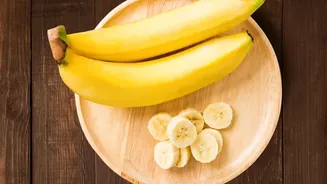
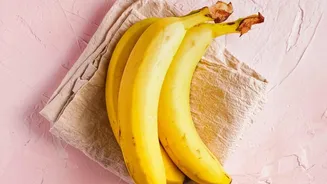
As the starch converts to sugar, the ripe yellow banana becomes a source of quick, easily accessible energy. The simple sugars—glucose and fructose—are readily absorbed by the body, making a ripe banana an excellent pre-workout snack or a way to combat an afternoon slump. For many people, ripe bananas are also easier to digest than their green counterparts. The breakdown of the dense starches and tough pectin means your digestive system doesn't have to work as hard. While they lose most of their resistant starch, ripe bananas are still a good source of other nutrients like potassium, vitamin B6, and vitamin C, and have higher levels of antioxidants.
The Verdict: Which Banana is Better?
There is no single 'better' banana; the right choice depends entirely on your personal health goals and preferences. If your focus is on nurturing your gut microbiome, increasing your fibre intake, and maintaining stable blood sugar, a greener banana is the superior option due to its high resistant starch and low sugar content. They tend to be more filling, which can also aid in weight management. However, if you need a quick source of energy, a sweeter taste, or a fruit that is gentler on your digestive system, a ripe yellow banana is the ideal pick. Some people may find that the high starch content of green bananas can cause gas or bloating, making the ripe version a more comfortable choice. Ultimately, both green and ripe bananas offer nutritional benefits and can be part of a healthy, varied diet.