

The classic South Indian breakfast is a beloved ritual, but what if you could make it even healthier without losing the taste? Enter foxtail millet, an ancient grain making a big comeback, ready to transform your idlis, dosas, and more.
Why Welcome Foxtail Millet to Your Table?
Known as 'thinai'
in Tamil and 'kangni' in Hindi, foxtail millet has been a staple in Indian households for centuries. Today, it's regaining its popularity for excellent reasons. Nutritionally, it stands tall against polished white rice. Foxtail millet is packed with significantly more dietary fibre, which is crucial for good digestion and helps keep you feeling full for longer. It also boasts nearly double the protein of white rice, making it a fantastic plant-based source for vegetarians. For those managing blood sugar, its low glycemic index is a major advantage, as it releases glucose into the bloodstream more slowly, preventing sudden spikes. Furthermore, this tiny grain is a powerhouse of minerals like calcium, iron, and magnesium, which support bone health and boost immunity. Being naturally gluten-free, it's gentle on the stomach and a versatile choice for almost everyone.
Your Guide to Perfect Foxtail Millet Idli
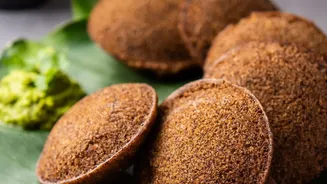
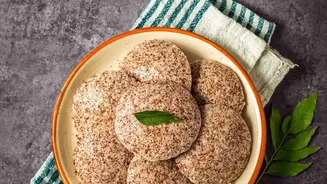
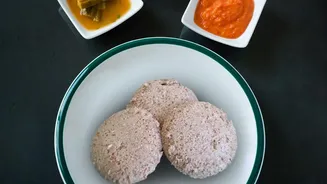
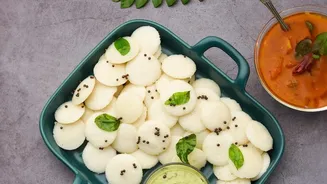
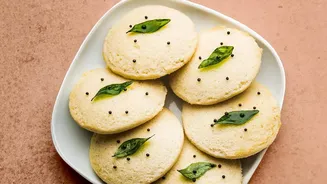
Making the switch from rice to millet for your idlis is simpler than you think. The result is a slightly denser but wonderfully soft and nutritious idli. The key lies in the right proportions and preparation. A common blend involves using foxtail millet, a smaller portion of idli rice (optional, but helps with texture), urad dal, and a few fenugreek seeds. The process remains familiar: wash and soak the grains and dal separately for about four to five hours. The soaking step is critical as it softens the millet, reduces cooking time, and makes it easier to digest. After soaking, the ingredients are ground into a batter. Many recipes suggest grinding the urad dal and fenugreek seeds to a fine, fluffy paste first, then grinding the millet separately to a slightly coarse texture before combining them. This ensures the idlis have the right structure.
Mastering the Millet Batter
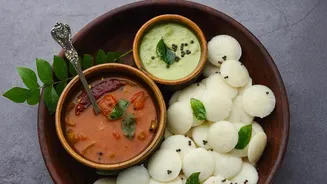
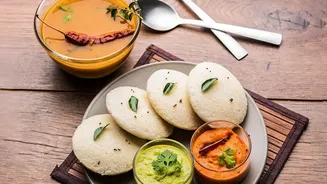
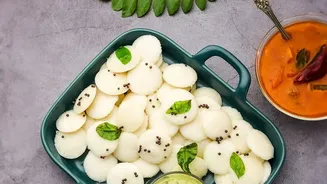
Once your components are ground, mix the millet batter and the urad dal batter together in a large container. Add salt and mix thoroughly, preferably with your hands, as the natural warmth can aid fermentation. The consistency should be thick but pourable. Now comes the most important stage: fermentation. Cover the container and leave it in a warm place for at least 8 to 10 hours, or overnight. The next morning, you’ll find the batter has risen. Give it a gentle stir. Be mindful that millet batters can sometimes become watery after fermenting, so starting with a thicker batter is a good strategy. Grease your idli moulds, pour in the batter, and steam for 12 to 15 minutes, or until a toothpick inserted comes out clean. Let the idlis rest for a couple of minutes before de-moulding to prevent them from sticking. Serve these wholesome idlis hot with your favourite sambar and chutney.
Beyond Idli: More Millet Magic for Your Morning
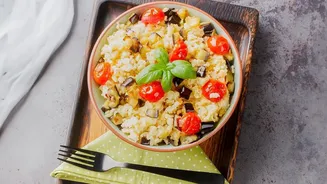
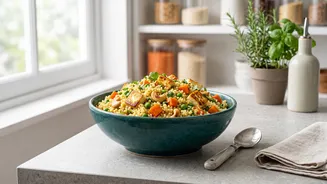
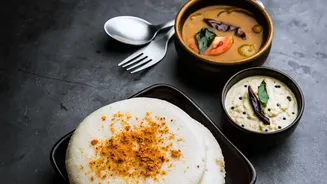
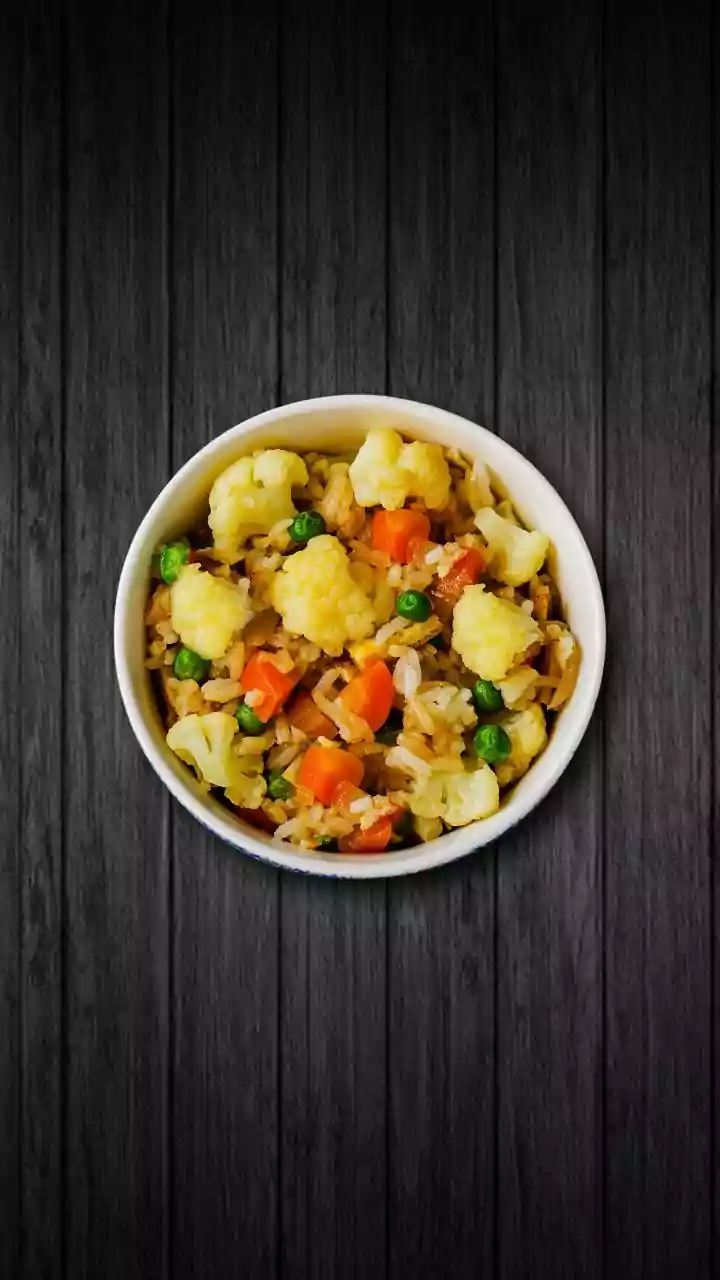
Foxtail millet’s versatility extends far beyond idli. The same fermented batter can be used to make crispy dosas or thick, vegetable-topped uttapams the next day. For a quick and savoury breakfast, foxtail millet upma is an excellent choice. Simply cook the soaked millet with a classic tempering of mustard seeds, curry leaves, onions, and your favourite vegetables for a filling meal that comes together in under 30 minutes. Another traditional option is pongal, where foxtail millet is cooked with moong dal and tempered with ghee, black pepper, and cumin seeds, creating a creamy and comforting dish. Even a simple porridge, or 'kanji', made from foxtail millet is a light and nourishing way to start your day. These dishes prove that you can easily substitute rice with millet in most of your go-to breakfast recipes, instantly elevating their nutritional value.