




A New Rhythm of Travel
There's a significant shift happening in how young Indians vacation. Instead of ticking off conventional tourist spots, many are planning their trips around cultural events. This trend of 'festival tourism' is reshaping travel patterns, with a focus on immersive
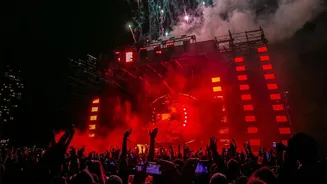
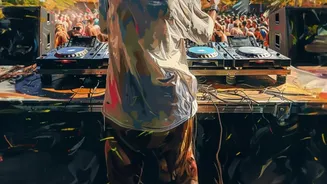
experiences rather than passive sightseeing. According to industry reports, cultural events are a major driver for trips, and nowhere is this more visible than in the Northeast. The region, once considered remote, is now a top destination for those seeking authenticity, adventure, and a connection to diverse traditions. This shift is not just about attending a concert; it's about experiencing a place through its most vivid cultural expressions.
The Festival Headliners
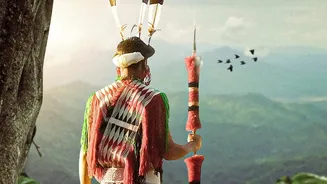
At the forefront of this movement are several key festivals that have gained a cult following. The Hornbill Festival in Nagaland, often called the 'Festival of Festivals', is a prime example. For ten days each December, it brings together all of Nagaland's major tribes to showcase their music, dance, food, and crafts. The economic impact is staggering, with recent editions generating hundreds of crores in revenue for the state, according to government officials. Similarly, the Ziro Festival of Music in Arunachal Pradesh has become a must-visit for indie music lovers. Set against the stunning backdrop of rice paddies, Ziro offers a unique blend of contemporary music and the ancient culture of the Apatani tribe. These events have successfully put the Northeast on the national and even global travel map.
Beyond the Main Stage
The economic benefits of these festivals extend far beyond ticket sales. The surge in visitors creates a huge demand for accommodation, leading to a boom in local homestays. In places like Ziro Valley, where large hotels are scarce, local families have opened their homes to travelers, offering a genuine cultural exchange alongside a place to sleep. This provides a direct income stream to local communities. The ecosystem around these festivals also supports countless small businesses, from taxi drivers and food vendors to local artisans and guides whose products and services are in high demand.
The Search for Authenticity
So, what’s driving this trend among young travelers? It's a combination of factors. The search for unique, 'Instagrammable' experiences is certainly part of it, but it goes deeper. Many young Indians are moving away from cookie-cutter holidays, seeking authentic connections and meaningful stories. They prefer spending on experiences over plush hotels. This generation is also more environmentally and culturally conscious, drawn to the sustainable and community-centric models that many of these festivals promote. The rise of remote work has also enabled 'workations', allowing for longer, more immersive trips.
Navigating the Path Forward
This tourism boom, while overwhelmingly positive, also brings challenges. The strain on local infrastructure during festival season is a major concern, as is the risk of unregulated tourism harming the fragile ecosystems and unique cultures of the region. The key for the future will be to manage this growth sustainably. This involves strengthening infrastructure, promoting community-led tourism models, and ensuring that the economic benefits are distributed equitably without compromising the very culture and environment that attract visitors in the first place. For now, the trend shows no sign of slowing down, with searches for Northeast destinations reportedly surging.