



What Is a Coffee Brewing Ratio?
A coffee brewing ratio is simply the relationship between the amount of coffee grounds you use and the amount of water you brew with. It's typically expressed in grams, for example, as 1:16. This means for every 1 gram of coffee, you use 16 grams of water.
This weight-based formula is the key to consistency because it’s scalable, whether you're making a single mug or a full pot. While many coffee professionals refer to a 'Golden Ratio', which can range from 1:15 to 1:18, a great starting point for most home brewing methods is 1:16 or 1:17. Thinking in ratios rather than 'scoops' is the single biggest upgrade you can make to your coffee routine, as scoops can be wildly inconsistent depending on the bean size and grind.
Why Ratios Control Flavor: The Science of Extraction
Brewing coffee is a process of extraction—dissolving the flavourful compounds from the grounds into water. This process happens in stages: fruity and acidic notes come out first, followed by sweeter, more balanced flavours, and finally, bitter compounds. The coffee-to-water ratio is your primary tool for controlling this process. If you use too much coffee for the amount of water (a 'tight' ratio like 1:12), you risk over-extraction, where too many bitter compounds dissolve, making the coffee harsh and astringent. If you use too little coffee (a 'loose' ratio like 1:18), you can get under-extraction, where the brew finishes before the sweet notes develop, resulting in a sour, thin, or weak-tasting cup. The goal is to find the balanced sweet spot in the middle, and a consistent ratio is the map that gets you there.
How to Measure for a Perfect Cup
The most accurate way to use a brewing ratio is with a simple kitchen scale. By weighing both your coffee beans and your water in grams, you eliminate guesswork and ensure your results are repeatable every single time. Let's say you want to make a 12-ounce cup of coffee (about 340 grams of water) using a 1:16 ratio. You would divide your water weight by 16 (340 / 16 = ~21) to find that you need about 21 grams of coffee. If you don't have a scale, you can use a volume-based approximation as a starting point: about two level tablespoons of ground coffee for every six ounces of water. However, be aware that this is far less precise and your results will vary more.
Adjusting for Different Brewing Methods
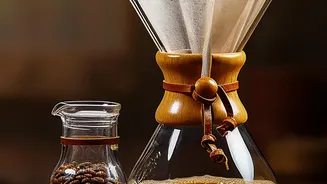
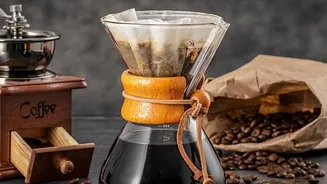
Not all brewing methods extract coffee in the same way, so your ideal ratio might change slightly depending on your equipment. Immersion methods like the French press, where grounds are steeped in water for the entire brew time, often benefit from a slightly stronger ratio, like 1:12 to 1:15, to create a rich, full-bodied cup. In contrast, drip coffee makers and pour-over methods like a V60 or Chemex work best with a ratio in the 1:16 to 1:17 range. Espresso is an outlier, using pressure to achieve a highly concentrated brew at a very tight ratio of around 1:2. Cold brew, which uses time instead of heat for extraction, requires a concentrated ratio like 1:4 to 1:8, which is then typically diluted with water or milk before serving.
It’s Not Just the Ratio
While the coffee-to-water ratio is the foundation of a great brew, it works in tandem with other key factors. Grind size is crucial; a finer grind increases the surface area and speeds up extraction, while a coarser grind slows it down. If your coffee tastes bitter, try a coarser grind before changing your ratio. If it's sour, try a finer grind. Water temperature also plays a role, with the ideal range being just off the boil, between 90–96°C (195–205°F). Water that is too hot can pull out bitter flavours too quickly. Finally, the total brew time—how long the water and coffee are in contact—directly impacts extraction. Mastering coffee is about seeing how all these elements work together.