



The Challenge of Over-Tourism
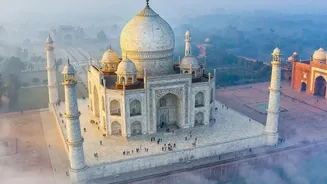
For years, domestic tourism in India has followed a predictable pattern. A handful of superstar destinations receive the lion's share of visitors, leading to overcrowded hotels, strained infrastructure, and a diluted travel experience. This concentration
of tourists not only affects the quality of the visit but also puts immense pressure on the local environment and heritage sites. While these popular places are undeniably beautiful, this trend leaves vast swathes of the country, with their unique cultures and pristine landscapes, largely unexplored and economically unsupported by the tourism sector.
A Digital Answer to a Familiar Problem
In response, the Ministry of Tourism is spearheading a digital transformation aimed at decentralising tourism. A key initiative, launched on World Tourism Day 2026, is the National Digital Tourism Stack (NDTS), developed in partnership with the Open Network for Digital Commerce (ONDC). This isn't just another travel website. It's an open, shared digital infrastructure designed to connect the entire tourism ecosystem—from homestays and local guides to transport providers and major attractions. The goal is to make every corner of India discoverable, trusted, and digitally accessible.
How It Works for Travellers and Hosts
The core idea behind the NDTS is simple but powerful: “list once, reach multiple platforms”. For a small homestay owner in a remote village or a local artisan offering workshops, this means they can list their service once and have it appear across various participating travel apps and websites. This dramatically increases their visibility without the need for complex digital marketing. For travellers, the fragmented process of using multiple apps for booking stays, transport, and activities will be streamlined. The platform aims to integrate everything, with features for verified provider credentials, ratings, digital payments, and grievance redressal to build trust.
Spotlight on Emerging Destinations
This digital push is complemented by government schemes like Swadesh Darshan 2.0, which focuses on developing sustainable and responsible tourism destinations. Under this scheme, dozens of destinations across the country have been identified for development, moving beyond the traditional tourist circuits. Places in the Northeast like Mechuka in Arunachal Pradesh and Champhai in Mizoram, or destinations like Gandikota in Andhra Pradesh, are being developed with better infrastructure and promoted as viable alternatives. The initiative aims to create jobs for local communities and preserve the cultural and natural resources that make these places special.
More Than a Holiday: Sustainable and Conscious Travel
These platforms are being built with a philosophy of sustainability. The Ministry of Tourism's 'Travel for LiFE' (Lifestyle for Environment) initiative is a key part of this vision, encouraging both tourists and businesses to adopt eco-friendly practices. This program, which is integrated with the NIDHI+ portal, offers certification to hotels and service providers based on their sustainability efforts, categorising them as Bronze, Silver, or Gold. The idea is to nudge travellers to make responsible choices, such as reducing waste, saving water, and supporting local businesses and communities, thereby making tourism a force for good.
The Road Ahead and Its Hurdles
While the vision is promising, the path has its challenges. Inadequate infrastructure, such as poor roads and transport, remains a significant barrier in many rural areas. Furthermore, low digital literacy among potential hosts in these regions can hinder the adoption of these new technology-based solutions. For these digital platforms to truly succeed, efforts must focus not only on building the technology but also on enhancing digital skills within local communities and ensuring that the on-ground infrastructure can support an influx of visitors, no matter how small. Addressing these issues will be crucial for unlocking the full potential of rural tourism in India.