






The Rise of the 'Healthy' Snack Trap
India's love for snacking is timeless, but our snacks have changed. The market is flooded with ultra-processed foods (UPFs) that are engineered to be hyper-palatable. According to studies, the retail sales of these foods have surged dramatically in India,
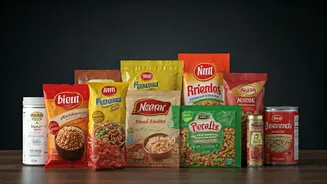
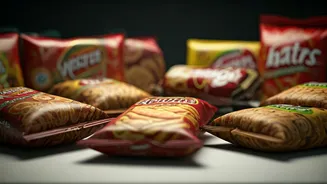
coinciding with rising health concerns like obesity and diabetes. These products, from instant noodles to packaged sweets, are often high in sugar, unhealthy fats, and sodium, while being low in essential nutrients. The problem is that many are disguised as healthy options, using buzzwords to lure in health-conscious young consumers. This trend, known as 'health-washing', makes it harder than ever to make genuinely healthy choices.
Don't Judge a Snack by Its Cover
The front of the package is prime marketing real estate, designed to sell you an idea. Words like “All Natural,” “Multigrain,” “Baked, Not Fried,” and even “Healthy” are used to create a positive impression. However, these claims can be misleading. A “multigrain” cracker might still be made predominantly of refined flour (maida), and a “baked” snack can be just as high in calories and sodium as its fried counterpart. Recently, India’s food regulator, FSSAI, has issued notices to several companies for making such misleading claims, including questioning products that use “healthy” in their brand name or claim “100% Atta” when the ingredients say otherwise.
The Real Story Is on the Back
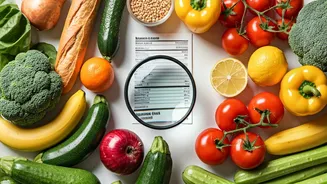
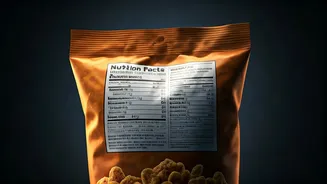
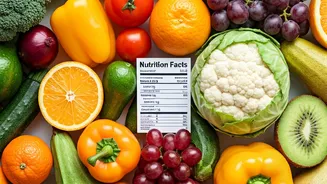
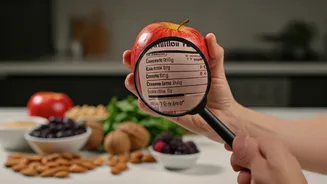
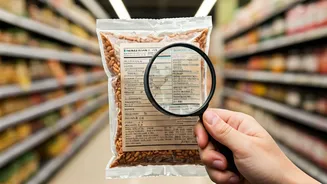
To find the truth, you must flip the pack. The two most important sections are the Ingredients List and the Nutritional Information panel. The ingredients are always listed in descending order by weight. This is a powerful clue: if sugar, maida (refined wheat flour), or palm oil are among the first three ingredients, the snack is likely not as healthy as it claims. Also, watch out for hidden sugars with names like corn syrup, dextrose, or maltodextrin. Understanding this list helps you see beyond the marketing and know what the product is truly made of.
Your 3-Step Label Check
Feeling overwhelmed? Use this simple, three-step check. First, look at the ‘Serving Size’. Companies often list a tiny serving size—like two biscuits—to make the calorie count look low. Be realistic about how much you’ll actually eat and do the math. Second, scan the Nutritional Information per 100g for easy comparison between products. Pay close attention to ‘Added Sugar,’ ‘Saturated Fat,’ ‘Trans Fat,’ and ‘Sodium’. As a general rule, higher protein and fibre are good; high sugar and sodium are red flags. Third, glance at those first three ingredients. This quick check gives you an instant, powerful overview of the snack's real nutritional profile.
The Future: Clearer Warnings Ahead
The good news is that change is on the horizon. Public health experts and even the Supreme Court of India have been pushing for mandatory Front-of-Pack Labelling (FOPL). This system would require clear, simple warnings—like a red symbol—on products that are high in sugar, salt, or fat. The idea is to help consumers make informed decisions at a single glance, without needing to be a nutrition expert. While the final regulations are still being finalised by FSSAI, this move towards greater transparency signals a future where it will be much easier to spot unhealthy products on the shelf.