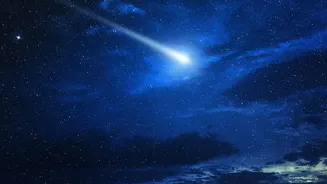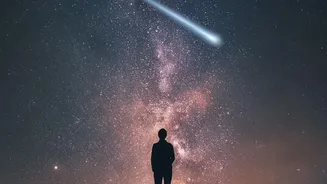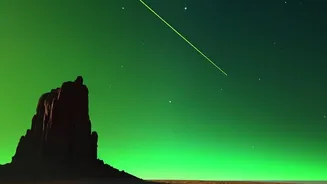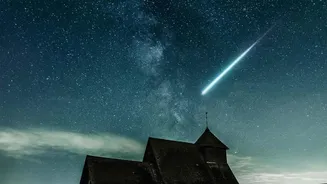



The Celestial Firework Display of August
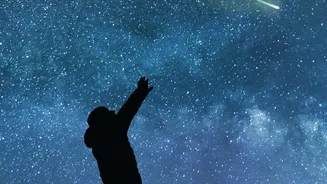
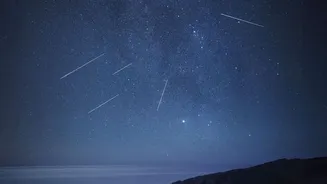
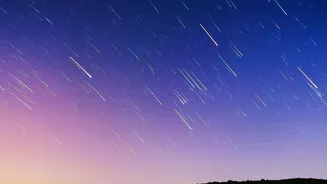
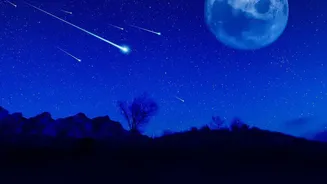
The Perseid meteor shower is one of the most anticipated astronomical events of the year, known for its bright and plentiful meteors. This celestial event occurs annually when the Earth passes through the trail of debris left by Comet 109P/Swift-Tuttle.
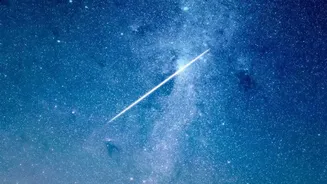
As these tiny particles of ice and rock enter our atmosphere at high speeds, they burn up, creating the brilliant streaks of light we call meteors or shooting stars. The shower is active from mid-July to late August, but its activity is most concentrated over a few key nights.
Why 2026 Offers a Perfect Viewing Window
This year is particularly special for viewing the Perseids. The shower is set to peak on the night of August 12-13, 2026. Crucially, this peak coincides perfectly with a New Moon on August 12. This means the sky will be exceptionally dark, without bright moonlight to wash out the fainter meteors, making it one of the best viewing opportunities in recent years. Under these ideal conditions, observers in dark locations might see between 50 and 100 meteors per hour. For viewers in India, the best time to watch will be in the pre-dawn hours of August 13, between 2:00 AM and 4:30 AM IST, when the shower's radiant point in the constellation Perseus is high in the sky.
India’s Premier Dark Sky Sanctuaries
While the Perseids are visible from anywhere with a clear sky, the key to a truly breathtaking experience is escaping city lights. Unfortunately, August is peak monsoon season for much of India, meaning cloud cover can be a major obstacle. However, several regions offer a higher chance of clear, dark skies. The high-altitude deserts of Ladakh and the Spiti Valley in Himachal Pradesh are prime destinations, as they lie in a rain shadow. Hanle in Ladakh, home to India's first official Dark Sky Reserve, provides world-class viewing conditions. Other excellent options include the Rann of Kutch in Gujarat and the desert landscapes near Jaisalmer in Rajasthan, which often escape heavy monsoon clouds.
How to Prepare for the Show
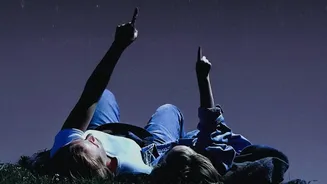
You don’t need any special equipment to enjoy a meteor shower—your eyes are the best tool for the job. Find a safe, open space away from city and street lights. Give your eyes about 20 to 30 minutes to fully adapt to the darkness; this means putting your phone away, as its bright screen will ruin your night vision. Comfort is key, as you'll be looking up for a while. Bring a blanket or a reclining chair to lie back on. Even in August, nights can get chilly, especially at higher altitudes, so pack warm layers. Finally, be patient. Meteors can appear in spurts, and it takes time to appreciate the full grandeur of the shower.