
Core Clothing: Think Quick-Dry and Layered
The golden rule for monsoon trekking is to avoid cotton at all costs. Cotton absorbs moisture, takes forever to dry, and will leave you feeling damp and cold. Instead, build your wardrobe around synthetic fabrics that wick moisture and dry quickly. Pack
two to three quick-dry synthetic t-shirts (polyester or nylon blends are ideal). For bottoms, choose full-length, lightweight trekking pants; they offer protection from scratches and leeches, which are common in the Ghats during this season. A fleece jacket is perfect for chilly evenings or at higher altitudes, as it provides warmth even when slightly damp. Always keep one complete set of dry clothes sealed in a waterproof dry bag, reserved only for your campsite or hotel at the end of the day.
Outerwear and Footwear: Your Shield Against the Elements
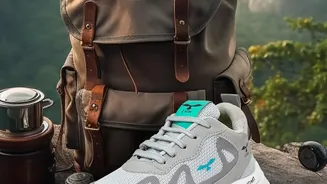
Your primary defence against the rain will be a reliable waterproof rain jacket or a poncho. A poncho offers excellent ventilation and can cover both you and your backpack, which is a significant advantage. For footwear, invest in a pair of trekking shoes with a deep, aggressive grip to handle slippery, muddy trails. While waterproof shoes sound good, they can trap water that runs down your legs, taking days to dry. Many seasoned trekkers prefer quick-drying trail shoes with good drainage. Whichever you choose, ensure they are well broken-in. Also, pack a pair of lightweight floaters or rubber sandals for relaxing at your accommodation.
Gear and Gadgets: Staying Dry and Powered
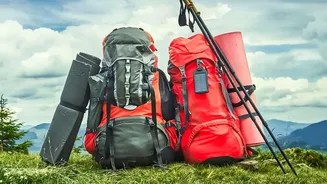
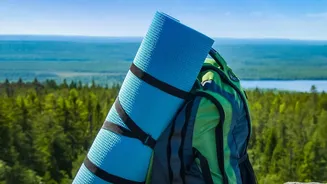
Protecting your gear is as important as keeping yourself dry. A waterproof backpack is ideal, but a high-quality rain cover for your existing pack is a must-have at minimum. Internally, organize your belongings using dry bags or heavy-duty zip-lock bags to compartmentalize and protect electronics, clothes, and snacks. A power bank is essential for keeping your phone and other devices charged, especially in remote areas where electricity can be unreliable. A headlamp or a small torch is non-negotiable for navigating in low light or during power cuts. Don't forget to pack plastic bags to store wet clothes and prevent them from dampening everything else in your pack.
Health, Safety, and Creature Comforts
Monsoon treks in the Western Ghats mean dealing with leeches; they are unavoidable but manageable. Carry anti-leech socks, which are tightly woven and worn over your regular socks to create a physical barrier. Having a small pouch of salt or a bottle of hand sanitizer is also effective for making them detach easily if they latch on. Your first-aid kit should include antiseptic liquid, bandages, pain relief spray, and any personal medications. An insect repellent is also a good idea. Finally, a quick-dry microfiber towel is a lightweight, highly absorbent, and space-saving essential that will serve you well after a downpour or a quick dip in a stream.
What to Leave Behind
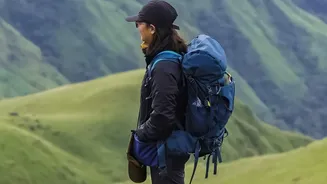
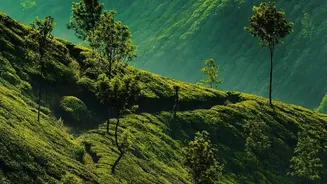
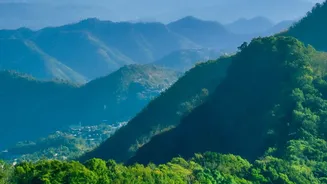
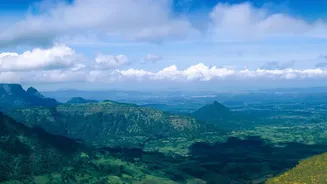
To keep your pack compact and light, be ruthless about what you don't need. Leave the jeans at home; they are heavy, absorb a huge amount of water, and will never dry in the humid conditions. Avoid packing multiple pairs of bulky shoes or heavy cotton towels. An umbrella is often impractical on windy trails, making a good rain jacket or poncho a much better choice. While it’s tempting to bring lots of entertainment, limit heavy books or unnecessary gadgets. The goal is to be prepared for the elements without being weighed down, allowing you to move freely and enjoy the stunning monsoon landscape.