



Beyond the Usual Itinerary
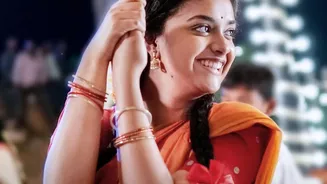
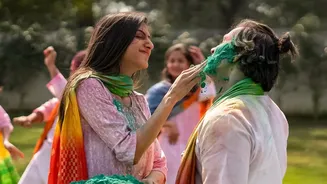
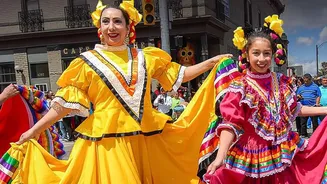
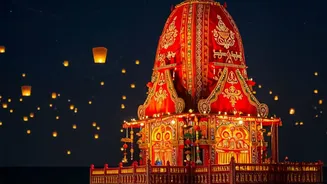
Forget whirlwind tours of monuments and crowded tourist spots. A growing wave of Indian travellers is now planning their holidays around the country's rich calendar of festivals. This shift represents a move from passive sightseeing to active, immersive
participation. Reports indicate that a significant majority of travellers are now planning trips specifically to attend cultural or religious festivals. This trend is fueled by a desire for authenticity and unique experiences that a standard holiday might miss. Instead of just seeing a place, travellers want to feel its pulse, taste its unique flavours, and understand its stories—and festivals offer a direct gateway to that heart.
A Riot of Colour in the Desert
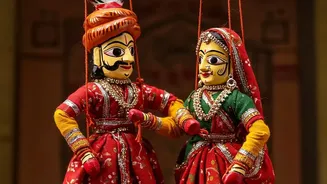
Nowhere is this phenomenon more vivid than at the Pushkar Camel Fair in Rajasthan. What began over a century ago as a livestock trading event has blossomed into a world-renowned cultural spectacle. For five days, the desert town comes alive with folk music, dance, and religious rituals coinciding with the holy Kartik Purnima. Visitors can witness a sensory overload of decorated camels, moustache competitions, and traditional puppetry. It’s a trip that goes beyond Rajasthan's palaces, offering a glimpse into the traditions, spiritual beliefs, and pastoral life that have defined the region for generations, culminating in pilgrims taking a holy dip in Pushkar Lake.
Where Gods Walk Among Humans
In the northern corners of Kerala, a different kind of cultural immersion awaits. Theyyam is an ancient and powerful ritual art form, believed to predate modern Hinduism, where performers transform into living deities. Running from roughly October to May, this is not a staged show for tourists but a deeply spiritual local tradition performed in village shrines, often through the night and into the early morning. Travellers who make the journey are rewarded with the mesmeric sight of performers in elaborate costumes and makeup, dancing to frenetic drum beats in a trance-like state. Witnessing a Theyyam performance is to step into a timeless world of myth and devotion.
The Grand Showcase of Naga Heritage
Every December, the hills of Nagaland play host to the Hornbill Festival, aptly called the 'Festival of Festivals'. Created to celebrate and preserve the rich cultural heritage of the diverse Naga tribes, the event is a vibrant showcase of their traditions. For ten days, the Naga Heritage Village near Kohima becomes a microcosm of the entire state. Visitors can explore traditional houses (morungs), watch powerful folk dances and indigenous games, sample local cuisine, and browse intricate handwoven textiles. The festival is an invitation from the Naga communities to share their world, offering a respectful and engaging way to understand a culture on its own terms.
More Than Just a Holiday
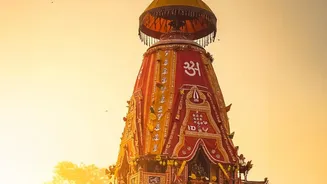
The rise of festival tourism does more than just enrich the traveller's experience. It brings tangible benefits to local communities, creating economic opportunities for artisans, performers, and small businesses that might otherwise be overlooked. This form of travel encourages the preservation of intangible cultural heritage—the songs, dances, rituals, and stories that define a community. By choosing to build a trip around an event like Durga Puja in Kolkata or Ganesh Chaturthi in Maharashtra, travellers are not just taking a vacation; they are actively participating in and supporting the living, breathing cultures that make India so incredibly diverse.