




What the Science Says About Peanuts and Memory
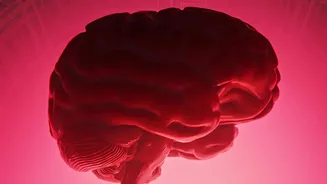
Recent studies have highlighted the potential for peanuts to support cognitive function in older adults. Research from Maastricht University Medical Center in the Netherlands found that daily peanut consumption could improve the brain's response to insulin
in regions crucial for memory. As people age, the brain can become less sensitive to insulin, which is linked to cognitive decline. The study suggests that regular intake of unsalted, skin-roasted peanuts may help counteract this, potentially preserving memory functions. Another study showed that after 16 weeks of eating about two servings of peanuts daily, participants experienced increased cerebral blood flow and a 5.8% improvement in verbal memory. This improved blood flow supplies the brain with more oxygen and nutrients, which may explain the cognitive benefits observed.
The Right Way to Reap the Benefits
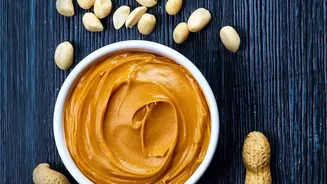
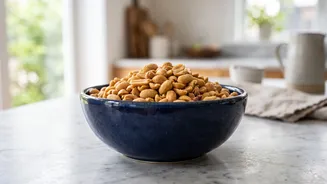
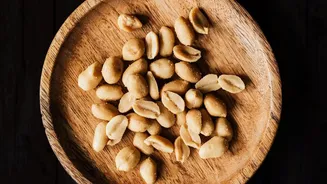
The key to unlocking these brain-boosting benefits lies in consistency and choosing the right type of peanuts. The positive effects in the studies were seen with daily consumption over several months. Specifically, researchers used unsalted, skin-roasted peanuts, as the skin is rich in beneficial compounds like resveratrol and other polyphenols, which have antioxidant properties. The recommended amount in one study was approximately 60 grams per day, which is equivalent to about two servings or a couple of small handfuls. However, for general health, many nutritionists suggest a more modest daily portion of about one ounce (around 28-30 grams, or a single handful) to balance nutrient intake with calorie count. Opting for unsalted and unflavoured varieties helps you get the good stuff without excess sodium or sugar.
The Allergy Elephant in the Room
For a significant portion of the population, peanuts are not a healthy snack but a serious danger. Peanut allergy is one of the most common food allergies and a leading cause of severe, life-threatening allergic reactions, known as anaphylaxis. Symptoms of an allergic reaction can appear within minutes of exposure and range from mild skin reactions like hives, redness, or swelling to digestive issues like cramps and nausea. More severe symptoms include tightening of the throat, shortness of breath, and a rapid drop in blood pressure. Anaphylaxis is a medical emergency that requires immediate treatment with an epinephrine auto-injector and a trip to the hospital. Even if you have only ever had a mild reaction, it is crucial to speak with a healthcare professional, as future reactions can be more severe.
Mind Your Portions and Calories
Even for those without allergies, moderation is crucial. Peanuts are nutrient-dense, but they are also high in calories and fat. A 100-gram portion contains around 567 calories and 49 grams of fat. While most of this is healthy monounsaturated and polyunsaturated fat, the calories can add up quickly. Eating too many peanuts can lead to unintentional weight gain and may cause digestive discomfort. A sensible daily portion of one ounce (about 28 grams) provides around 160-180 calories. This amount allows you to gain the benefits—like protein, fiber, healthy fats, and micronutrients—without overdoing the calories. Sticking to a single handful helps ensure that peanuts remain a healthy part of a balanced diet rather than a source of excess calories.
More Than Just a Memory Booster
Beyond their potential cognitive benefits, peanuts are packed with nutrients that support overall health. They are an excellent source of plant-based protein, which helps you feel full and can aid in weight management. The healthy fats, along with compounds called phytosterols, can help lower 'bad' LDL cholesterol levels. Peanuts are also rich in antioxidants, magnesium, potassium, and vitamin E, which help reduce inflammation and support heart health. Some studies suggest that regular, moderate consumption of peanuts may lower the risk of heart disease, diabetes, and even gallstones. The high levels of niacin and vitamin E from food sources like peanuts have also been shown to protect against age-related cognitive decline and Alzheimer's disease.