



Phuchka: The Undisputed King
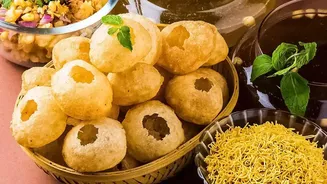
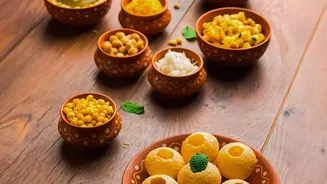
You can't talk about Kolkata street food without starting with Phuchka. While the rest of India has pani puri or golgappa, Bengalis will proudly tell you that Phuchka is different. The puri is a delicate, hollow sphere of fried dough, noticeably crispier
and often made from a mix of semolina and wheat flour. The magic is in the filling: a spicy mash of boiled potatoes, kala chana (black chickpeas), and a secret blend of 'bhaja moshla' (roasted spices). But the soul of the Phuchka is its 'tok jol' or sour water. This isn't the minty water you might find elsewhere; it's a tamarind-based concoction that's fiercely tangy and spicy, sometimes with a hint of Gondhoraj lime that elevates it to another level. Served one by one by the phuchkawala, each bite is an explosion of texture and flavour that's both an experience and an emotion.
Churmur: The Chaotic Cousin
Often found right beside the phuchkawala is the stand for Churmur, a snack born from creativity and a no-waste attitude. Churmur is essentially a deconstructed Phuchka, a riot of crunch and tang in a bowl. It’s made by crushing the crisp puris (often the ones that didn't puff up perfectly) and mixing them with the same spicy potato filling, boiled chickpeas, chopped onions, and green chillies. The entire mix is then generously doused in tamarind water and tossed with a special blend of spices. Unlike Phuchka, which demands to be eaten in a single bite, Churmur is enjoyed with a spoon, allowing for a more leisurely exploration of its complex textures and flavours. It’s the perfect follow-up to a plate of phuchka, offering all the familiar tastes in a completely different form.
Jhalmuri: The Go-To Snack
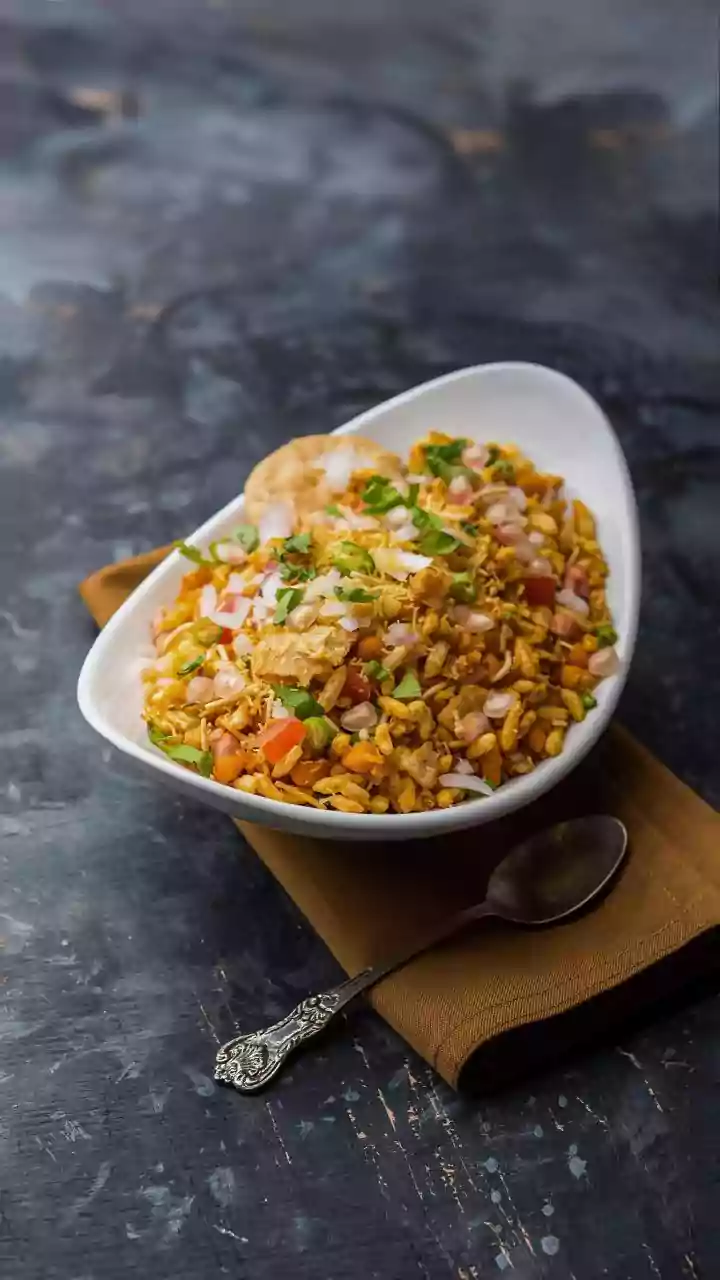
Jhalmuri is the quintessential on-the-go snack of Kolkata. The name itself tells you what to expect: 'Jhal' meaning spicy, and 'Muri' meaning puffed rice. But it's so much more than that. It's a masterful mix of puffed rice, finely chopped onions, tomatoes, boiled potatoes, and peanuts. What truly sets Kolkata's Jhalmuri apart is the generous splash of raw mustard oil, which gives it a unique pungent kick that is characteristically Bengali. This dry snack is tossed together in a large metal container and often served in a 'thonga' or a cone made of newspaper, making it easy to eat while walking. It's light, crunchy, spicy, and tangy, hitting all the right notes for a perfect evening snack.
Ghugni Chaat: Hearty and Wholesome
For something a bit more substantial, there is Ghugni Chaat. This beloved street food is a warm, spicy curry made from dried yellow or white peas. The peas are boiled until soft and then simmered in a gravy with onions, tomatoes, and a variety of spices. It is then served hot in a bowl, often garnished with finely chopped onions, green chillies, coriander, and a drizzle of tangy tamarind chutney. Sometimes, it's also topped with crunchy sev or bits of coconut. Ghugni is a comforting, flavourful, and filling snack that provides a different kind of street food experience—warm, savory, and deeply satisfying.
Aloo Kabli: The Tangy Potato Salad
Aloo Kabli is another star of Kolkata's chaat scene, a simple yet incredibly flavourful potato and chickpea salad. Boiled potato cubes and boiled kala chana (black chickpeas) form the base of this dish. They are then tossed with finely chopped onions, green chillies, and sometimes cucumber and tomatoes. The dressing is what makes it sing: a mix of tamarind water, lime juice, black salt, and a special 'bhaja moshla'. This no-cook snack is a delightful medley of hot, spicy, and sour notes, and it's especially popular among students after school. Served in a 'shalpata' (sal leaf) bowl, Aloo Kabli is a refreshing and zesty treat that perfectly captures the city's love for all things tangy.