





The Last-Minute Scramble
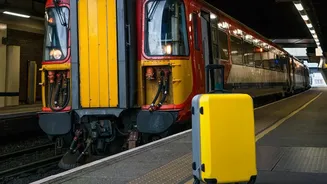
You arrive at the station, check the display board, and make your way to the assigned platform. You settle in, perhaps with a book or a chai, only to hear a crackling announcement or notice a sudden shift in the crowd. Your train, scheduled for Platform
4, will now depart from Platform 9. What follows is a frantic scramble over footbridges, navigating a river of fellow travellers, all in a desperate bid to not see the train pull away without you. This scenario is one of the most common and stressful parts of train travel in India. While it may seem like chaos, there is often a logic to these last-minute changes. Understanding why they happen is the first step to mastering the art of a stress-free journey.
Why Platforms Play Musical Chairs
Platform assignments at busy Indian railway stations are a complex logistical puzzle. Changes are not made to inconvenience passengers, but are usually a response to the dynamic, real-time operational needs of the network. A primary reason is the late arrival of an incoming train, which continues to occupy a platform needed for a departing one. Track congestion, unscheduled maintenance, or the need to give precedence to a high-priority train like a Rajdhani or Shatabdi can also force a reshuffle. Sometimes, a platform is changed to better manage crowd control or to accommodate a train with a different coach configuration. Railway officials often have to make split-second decisions to keep the entire network moving, and platform alteration is a key tool in their arsenal. The system prioritises train movement over static platform assignments.
Your Digital Toolkit for the Journey
Thankfully, technology has made it easier to stay ahead of these changes. The most powerful tool at your disposal is the National Train Enquiry System (NTES), the official Indian Railways app. NTES provides real-time information on train status, including expected arrival times and, crucially, platform numbers. The key is to check it strategically: once before you leave for the station, and again just as you are about to enter. This gives you the most current information available. Other third-party apps like 'Where Is My Train' are also popular, sometimes offering crowdsourced platform predictions even before the official announcement. However, it's wise to treat the official NTES app and SMS alerts from IRCTC as the most reliable digital sources. The Railway Board itself is pushing for better integration of station display boards with the NTES system to ensure consistency and reduce errors caused by manual data entry.
When in Doubt, Trust the Station
While apps are incredibly useful, they are not infallible. Data can lag, and truly last-second operational changes might appear on the station's overhead display boards and be broadcast through the public announcement system before they update on your phone. Once you are within the station premises, these traditional sources should be considered your ultimate authority. Keep an eye on the electronic coach and platform indicators and an ear open for announcements. Don't hesitate to use the 'human element' as well. Railway staff at enquiry counters, licensed porters (coolies), and even regular vendors are often privy to the most up-to-the-minute information and can provide clarity when digital sources are confusing. A quick, polite question can save you a lot of running around.