




What Exactly Are Dark Stores?
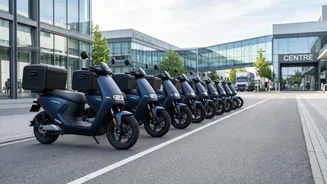
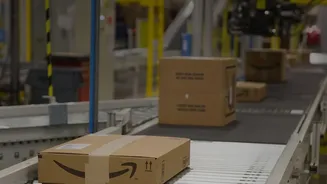
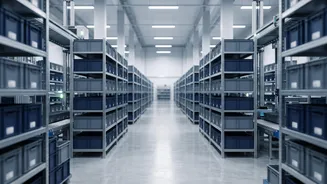
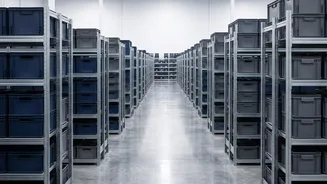
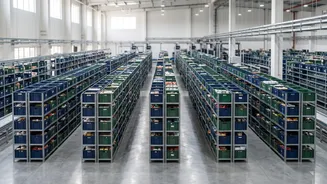
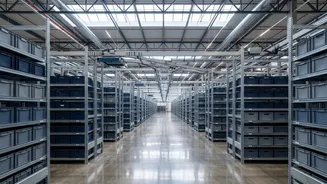
A 'dark store' is not a shop you can walk into. It's a small, neighbourhood-level warehouse designed exclusively for fulfilling online orders. Picture a supermarket layout, but optimized for speed, not for customer browsing. These micro-fulfilment centres
are stocked with a few thousand of the most in-demand products, allowing workers to pick and pack an order in minutes. Their entire purpose is to place inventory within a 2-3 kilometre radius of the consumer, making ultra-fast delivery possible. Companies use data to predict what a specific neighbourhood will need, stocking more eggs and bread on a Saturday morning or more energy drinks near a college during exams.
Why Bengaluru is the Epicentre
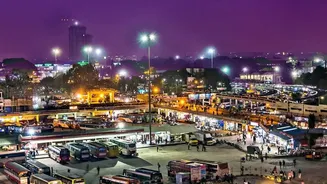
With more dark stores than any other Indian city, Bengaluru accounts for over 11% of the entire national footprint. This isn't an accident. The city is a perfect storm for quick-commerce growth. It has a high concentration of tech-savvy professionals in the 25-40 age group who value convenience and have disposable income but little time. Famously bad traffic makes a 10-minute delivery far more appealing than a 30-minute trip to the supermarket. Furthermore, the city's landscape, dominated by large, dense apartment complexes, makes last-mile delivery incredibly efficient. As the home base for companies like Swiggy and a major hub for others like Zomato, Flipkart, and Zepto, the competitive drive to win in its own backyard is intense.
The Players Dominating the Scene
The quick-commerce war is being fought between a few heavily-funded giants. The market is led by Blinkit (owned by Zomato), followed closely by Zepto and Swiggy Instamart. Together, these three control a vast majority of the market. However, the battle is intensifying. E-commerce titans like Amazon (with Amazon Now) and Flipkart (with Flipkart Minutes) are aggressively expanding their own dark store networks, seeing it as crucial to defend their broader business. This has led to a 'land grab', where multiple companies open stores in the same high-value pincodes, often leading to more dark stores in an area than can be profitably sustained.
The Impact on the Urban Landscape
The dark store boom is visibly reshaping Bengaluru's real estate. These companies are leasing ground-floor spaces in residential areas, small retail blocks, and old commercial properties that might otherwise be vacant. This has driven up rental demand for such properties, with landlords in key areas seeing returns 30-40% higher than from traditional retailers. However, this expansion is not without friction. The operation of mini-warehouses in residential zones has raised legal questions about zoning laws. Residents in some dense areas have also complained about the increased traffic from delivery partners and noise from late-night operations.
A New Engine for Employment
The rapid expansion of dark stores has created a significant number of jobs. Each store employs anywhere from 10 to 20 workers for picking, packing, and management, in addition to the vast network of delivery partners. In Bengaluru alone, this translates to thousands of direct and gig-work opportunities. However, the high-pressure environment, driven by the promise of 10-minute delivery, has also raised concerns about employee burnout and stress for both store staff and delivery personnel. While the '10-minute' marketing has softened due to regulatory scrutiny, the operational intensity remains high.
What's Next for Quick Commerce?
The initial explosion of dark stores is now moving into a new phase. Companies are shifting from pure expansion to deepening their presence in profitable areas and expanding their product ranges beyond groceries. Categories like beauty products, small electronics, toys, and stationery are growing rapidly as platforms seek to increase order values. The focus is slowly moving from just speed to reliability and assortment. While the long-term sustainability of the model is still being tested, quick commerce has fundamentally changed consumer expectations in urban India. The dark store is no longer a novelty; it is a permanent and transformative part of the city's retail infrastructure.