








The Gruelling Initial Training
Before they ever welcome a passenger aboard, cabin crew recruits undergo an extensive initial training program that can last from three to six months. This is a comprehensive curriculum mandated by aviation authorities like India's Directorate General
of Civil Aviation (DGCA). The training covers theoretical knowledge about aviation regulations, aircraft specifics, and passenger handling. Trainees learn the fundamentals of in-flight first aid, including CPR and how to use an automated external defibrillator (AED). They are drilled on how to handle a range of medical situations, from strokes and seizures to assisting with childbirth, as there is no guarantee a doctor will be on board.
Realistic Emergency Simulations
A significant portion of training takes place in highly realistic simulators. These full-scale cabin mock-ups can replicate a variety of emergency scenarios, complete with smoke machines and sound effects. Here, crews practice extinguishing real, controlled fires, learning to use different types of extinguishers for different situations, such as lithium-battery fires from personal devices. They also master evacuation procedures, a drill they must perfect to be able to get all passengers out of an aircraft in 90 seconds or less, even in darkness or a smoke-filled cabin. This includes learning to operate heavy emergency doors, deploy evacuation slides, and command passengers with clear, authoritative instructions.
Mastering the Human Element
Beyond technical skills, cabin crew are extensively trained in Crew Resource Management (CRM), which focuses on communication, teamwork, and decision-making under pressure. This is crucial for seamless coordination between the flight deck and the cabin. A major part of this training involves managing difficult or unruly passengers. Crews learn de-escalation techniques and, in some cases, self-defence to handle threats and ensure the safety of everyone on board. They are trained to be the calm authority in potentially chaotic situations, managing passenger panic and providing clear direction during emergencies like severe turbulence or decompression events.
Water Landings and Survival
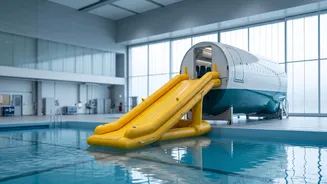
While exceedingly rare, an emergency water landing, or 'ditching', is a scenario every crew member is prepared for. Training includes practical drills in a swimming pool where they learn water survival techniques. This involves the deployment and use of life rafts and life vests. They practice how to guide passengers into the water and onto rafts, ensuring survival until rescue arrives. This physically demanding training ensures that even in the most unlikely of events, the crew has the hands-on experience needed to manage the situation effectively.
A Career of Continuous Learning
Qualifying as a flight attendant is not the end of their training. Aviation regulations mandate that all cabin crew undergo recurrent training every year. These annual refresher courses ensure their skills remain sharp and they are updated on the latest safety protocols and procedures. They are re-tested on their knowledge of emergency equipment, first aid, and evacuation drills. This constant cycle of learning and assessment guarantees that no matter how long they have been flying, the crew are always prepared to handle any emergency with proficiency and confidence.