




Beyond the Colour Wheel
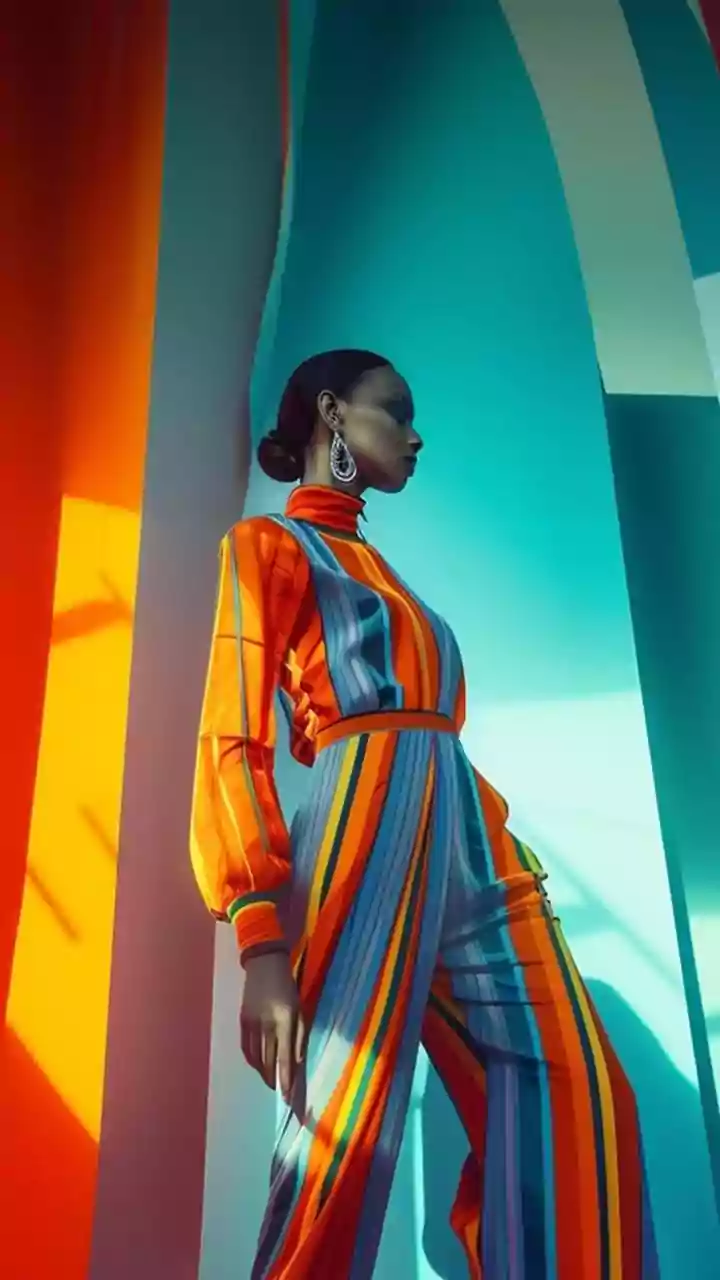
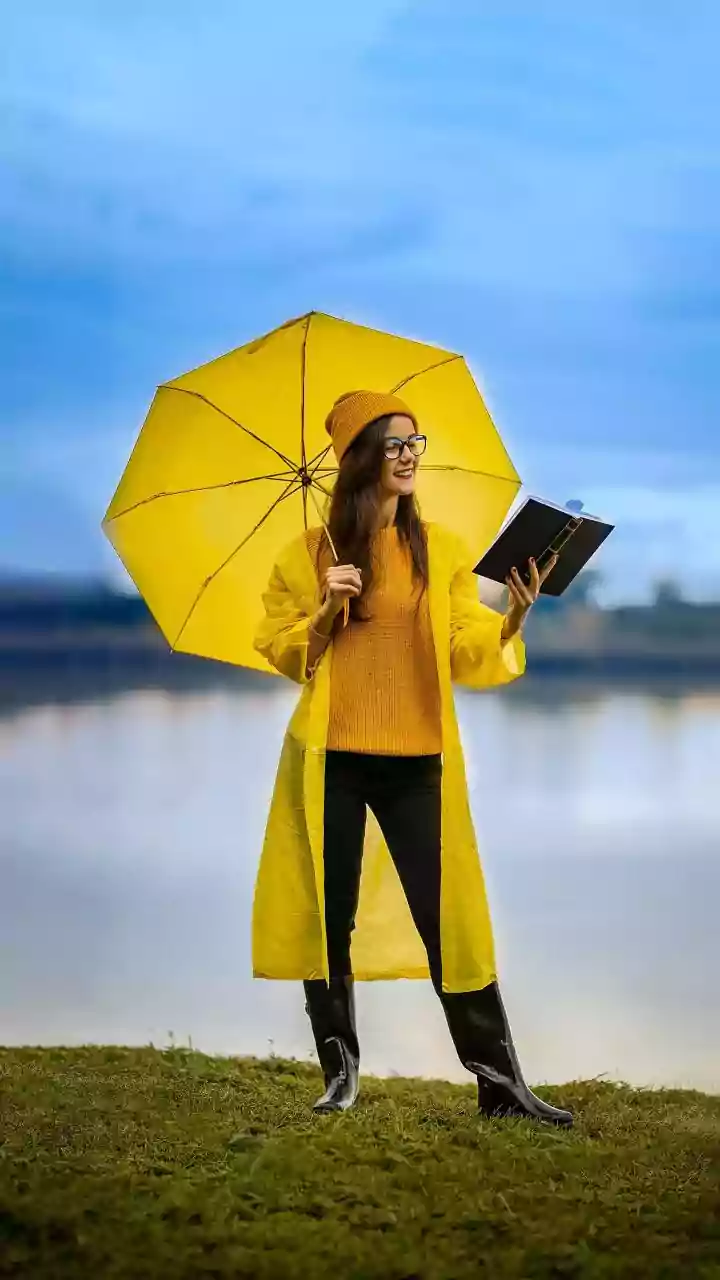
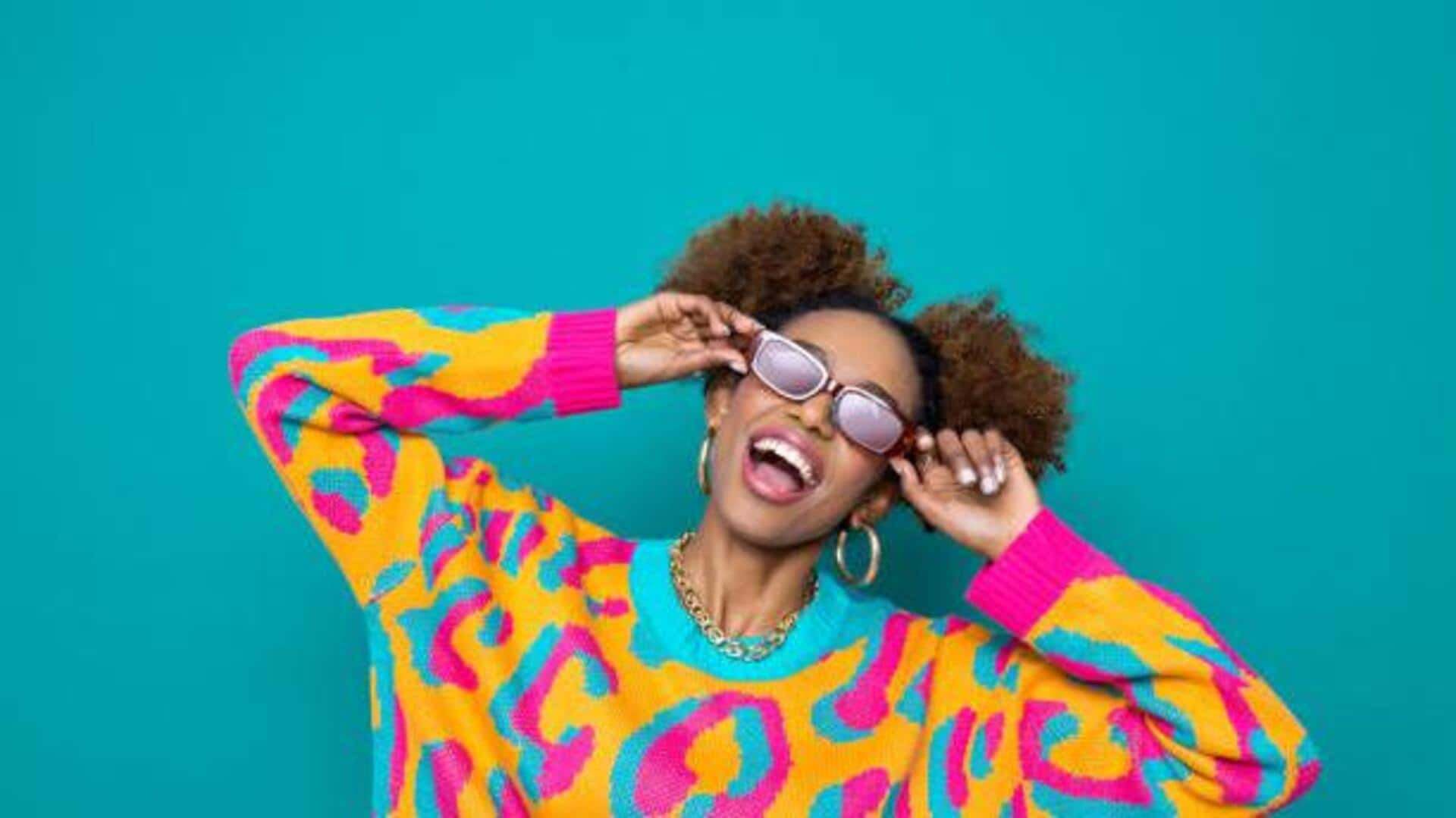
The annual advice to don vibrant yellows, hot pinks, and electric blues during the monsoon is well-intentioned. [4] These shades are meant to counteract the grey, overcast skies. [4] But relying on colour alone is a one-dimensional approach to a season
that’s all about depth, mood, and sensation. True style innovation comes from understanding the interplay of fabric and form. By shifting our focus from just colour to the rich world of textures, we can unlock a more sophisticated, comfortable, and practical monsoon wardrobe. Texture adds visual interest that a flat, solid colour cannot, making an outfit look more considered and dynamic, even in a downpour.
Why Texture Wins in the Rain
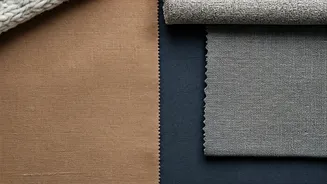
The benefits of a texture-first approach are both aesthetic and incredibly practical. Textured fabrics are masters of disguise; the natural crinkles, weaves, and ribs are brilliant at hiding the small water splashes and mud spots that are an inevitable part of monsoon travel. [4] Unlike smooth, flat fabrics that show every single drop, a crinkled cotton or a ribbed knit will keep you looking polished for longer. [8] Furthermore, many textured materials are inherently more functional. Their uneven surfaces often promote better airflow and prevent the fabric from clinging uncomfortably to the skin in high humidity—a common complaint with synthetic materials. [16] Fabrics with an open weave, like linen and certain cottons, are breathable and dry faster. [8, 12, 18]
Your Monsoon Texture Toolkit: The Fabrics to Know
Building a textured wardrobe starts with choosing the right materials. Your best friends this season will be fabrics that are lightweight, quick-drying, and don't become transparent when damp. Look for cotton blends, which combine the breathability of cotton with the quick-dry properties of polyester. [2, 9] Rayon is another star performer, known for its smooth, flowy drape that doesn't feel sticky and dries relatively quickly. [13] For a more structured yet breathable option, consider crepe; its crinkled surface keeps it from clinging and it doesn't easily show wrinkles. [13, 20] Even khadi, particularly lighter weaves, is a smart choice due to its comfortable, airy feel and its ability to manage dampness without losing shape. [4]
Styling the Textures: Crinkles, Ribs, and Knits
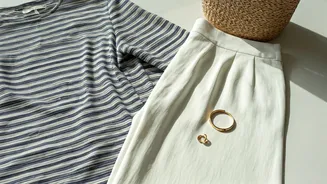
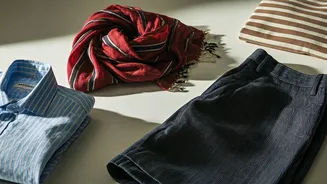
Incorporating texture is easy. Start with crinkled cotton or linen shirts; their inherent rugged charm means you don’t have to worry about them looking perfectly ironed. [8] Ribbed knit fabrics, often found in tank tops and dresses, offer comfort, stretch, and a subtle vertical texture that is both flattering and practical. Lightweight knitted blends that mix polyester, viscose, and cotton are also excellent, as they provide softness without absorbing too much water. [2] Don't be afraid to layer textures. A smooth rayon top under a loosely woven cotton or linen-blend jacket creates a look that is rich in detail without adding bulk or heat. For a more adventurous take, sheer or perforated fabrics like organza can be layered for a modern, rain-friendly effect. [20]
Accessorising with Purpose
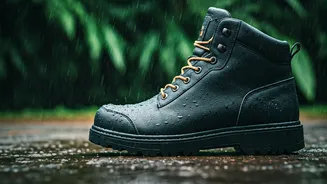
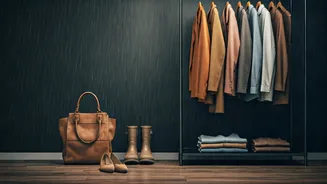
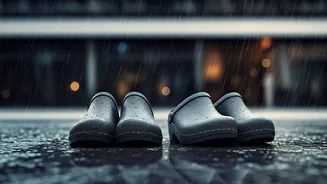
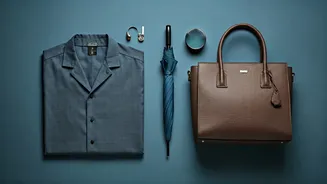
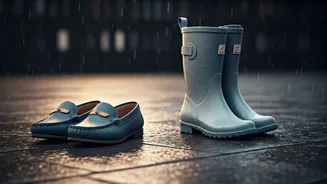
Texture isn’t just for your clothes. Extend the principle to your accessories to complete the look. Swap out your standard leather handbag, which can be damaged by water, for a woven straw or a modern, waterproof tote. These materials add a new dimension of texture while being perfectly suited for the weather. When it comes to footwear, ditch the absorbent canvas sneakers and opt for rubber or synthetic sandals and boots. Funky, translucent jelly footwear or brightly coloured rubber flats can provide that pop of colour everyone craves, but in a way that’s functional and ties the whole textured, weather-ready outfit together. [17]