








From Ornamental to Edible
Across India's bustling cities, from Mumbai high-rises to Bengaluru apartments, a green shift is taking place. Urban dwellers are looking at their balconies not just as spaces for ornamental flowers but as productive pockets of land. The trend of creating
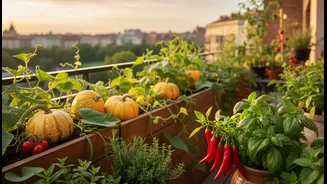
'edible balconies' is blossoming, turning compact outdoor areas into mini-farms. This isn't about large-scale agriculture; it's about cultivating a small, personal, and deeply rewarding connection with food. Common household staples like tomatoes, chillies, spinach, and a variety of herbs are finding their way into pots and planters, transforming concrete ledges into sources of fresh produce.
A Patch of Green for Mental Wellness
The benefits of this trend go far beyond the dinner plate. In an increasingly digital and fast-paced world, gardening offers a powerful antidote to stress. The simple, rhythmic acts of watering, pruning, and tending to plants can be meditative, helping to lower stress hormones like cortisol. For many, it's a form of 'green therapy', a way to reconnect with nature without leaving home. This tangible connection to the earth, even if it's just a pot of soil, can ground us, improve our mood, and foster a sense of purpose and accomplishment as we watch life sprout and grow under our care.
The Hyper-Local Harvest
There is an unmatched joy and flavour in cooking with ingredients you've just picked. Imagine snipping fresh coriander for your dal or plucking a fiery chilli for a tadka, moments before they hit the pan. An edible balcony puts the freshest possible produce at your fingertips. This hyper-local harvest means you're getting maximum flavour and nutritional value, as vegetables are consumed within hours of being picked, not days. Furthermore, you have complete control over what goes into your food, allowing you to grow produce free from chemical pesticides. Popular choices for Indian balconies include easy-to-grow herbs like mint, tulsi, and curry leaves, alongside vegetables like cherry tomatoes, brinjal, and various gourds.
A Quiet Step Towards Sustainability
While a single balcony garden won't solve global food crises, it represents a meaningful, personal step towards a more sustainable lifestyle. Growing even a portion of your own food significantly reduces your 'food miles'—the distance your food travels from farm to plate. This cuts down on transportation-related carbon emissions. It also helps reduce packaging waste, as there are no plastic bags or containers involved when you harvest from your own pots. Many balcony gardeners also get into composting, turning kitchen scraps into nutrient-rich food for their plants, creating a closed-loop system that minimizes household waste. It's a small but powerful way to contribute to a healthier environment from your own home.
More Than Just a Hobby
Ultimately, the edible balcony is more than a trend; it's a lifestyle choice that enriches life in multiple ways. It's an educational tool for children to learn where food comes from. It's a way to build community, sharing tips and harvests with neighbours. And it's a delicious way to bring unparalleled freshness and flavour into your cooking. It proves that you don't need a large plot of land to cultivate a deeper connection with nature and your food. The simple act of nurturing a plant from seed to harvest provides a sense of self-sufficiency and joy that is, as the headline suggests, far more important than one might initially think.