






Citrus Fruits: The Classic Choice
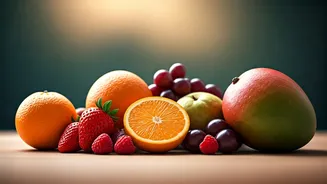
When you think of immune-supporting foods, oranges, grapefruits, lemons, and limes are probably the first things that come to mind. There's a good reason for that: they are loaded with vitamin C. This essential vitamin is thought to increase the production
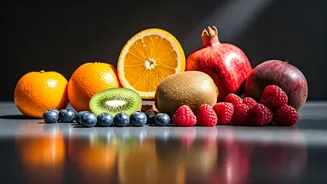
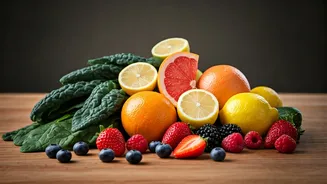
of white blood cells, which are the body's primary soldiers in fighting off infections. Because our bodies don't produce or store vitamin C, we need to get it daily from our diet. A medium orange provides nearly all the vitamin C you need for a day. Enjoy one as a snack, squeeze lemon into your water, or add grapefruit segments to a salad to easily incorporate this powerful nutrient.
Berries: Small but Mighty
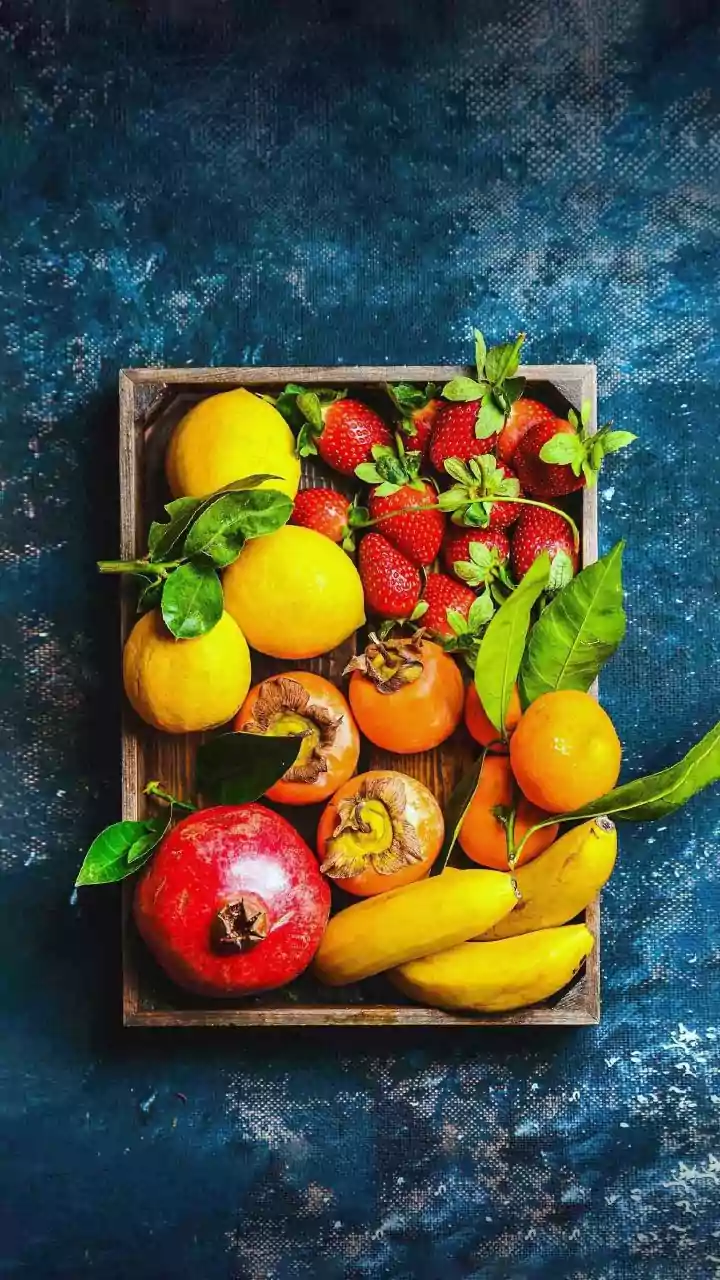
Blueberries, strawberries, and raspberries aren't just sweet treats; they are packed with antioxidants. Blueberries, in particular, contain a type of flavonoid called anthocyanin, which gives them their deep blue color and has potent antioxidant properties. These compounds help protect your cells from damage caused by free radicals, unstable molecules that can contribute to inflammation and illness. Strawberries are also an excellent source of vitamin C, rivaling many citrus fruits. Whether you toss them into your morning oatmeal, blend them into a smoothie, or simply eat them by the handful, berries are a delicious way to support your overall health.
Kiwifruit: The Nutrient Powerhouse
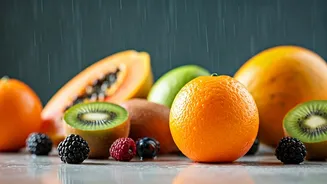
Don't let its small size fool you. Kiwifruit is a nutritional giant, naturally packed with a ton of essential nutrients. It’s an outstanding source of vitamin C—often containing more per ounce than an orange—which is crucial for stimulating the immune response. Kiwis are also a good source of other important nutrients like vitamin K, vitamin E, and potassium, as well as antioxidants. The combination of these nutrients works together to help keep your body's systems running smoothly. Plus, its bright, tangy flavor makes it a refreshing addition to fruit salads or a simple, scoopable snack.
Papaya: Tropical Support
Another fruit loaded with vitamin C, a single large papaya can contain more than double the recommended daily amount. Papayas also have a digestive enzyme called papain, which has anti-inflammatory effects. Inflammation is a natural part of the immune response, but chronic inflammation can be harmful. Including foods with anti-inflammatory properties can help support a balanced immune system. Papaya is also a decent source of potassium, B vitamins, and folate, all of which are beneficial for your overall health. Enjoy it in a smoothie or with a squeeze of lime for a tropical boost.
Pomegranate: The Antioxidant Giant
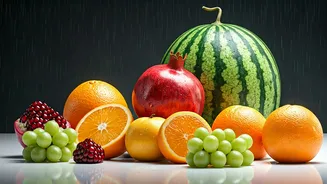
Pomegranates have been used for centuries as a medicinal fruit, and modern science is beginning to understand why. The ruby-red seeds (called arils) and the juice are rich in powerful antioxidants, including punicalagins, which are almost exclusive to this fruit. Studies suggest these antioxidants can have significant anti-inflammatory effects and may help combat cellular damage. While peeling a pomegranate can be a task, the pre-packaged arils and pure pomegranate juice (with no added sugar) make it easy to get the benefits. Sprinkle the seeds over yogurt or salads for a juicy, flavorful crunch.
Watermelon: Hydration and More
Watermelon might seem like just water and sugar, but it's also a surprisingly good source of immune-supporting nutrients. It's one of the best sources of an antioxidant called lycopene, which gives it its red color and helps protect against cell damage and inflammation. Watermelon also contains a decent amount of vitamin C and an amino acid called citrulline, which plays various roles in the body. Furthermore, its high water content is crucial for hydration, which is essential for all bodily functions, including proper immune system operation.