

Spiti Valley, Himachal Pradesh
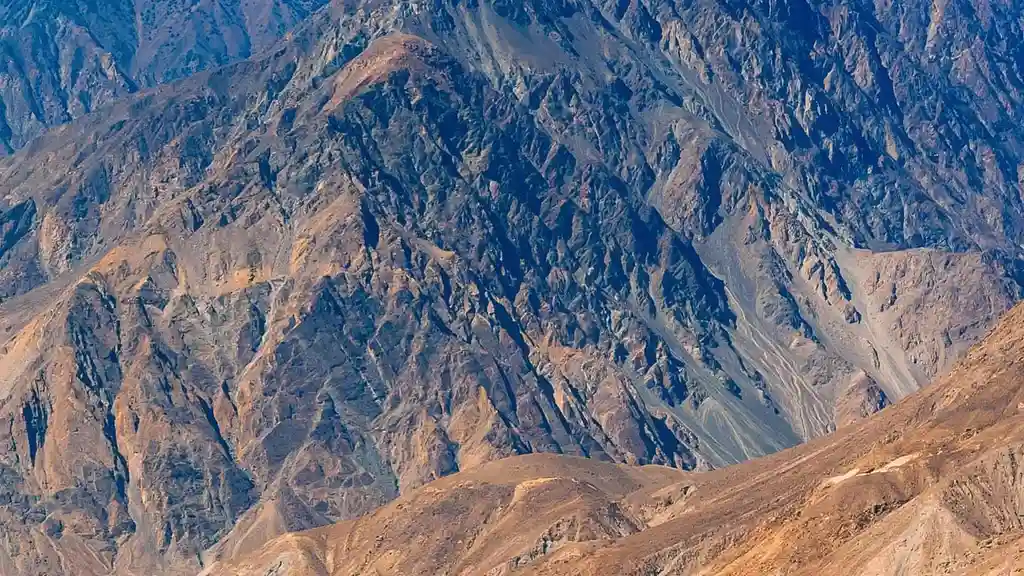
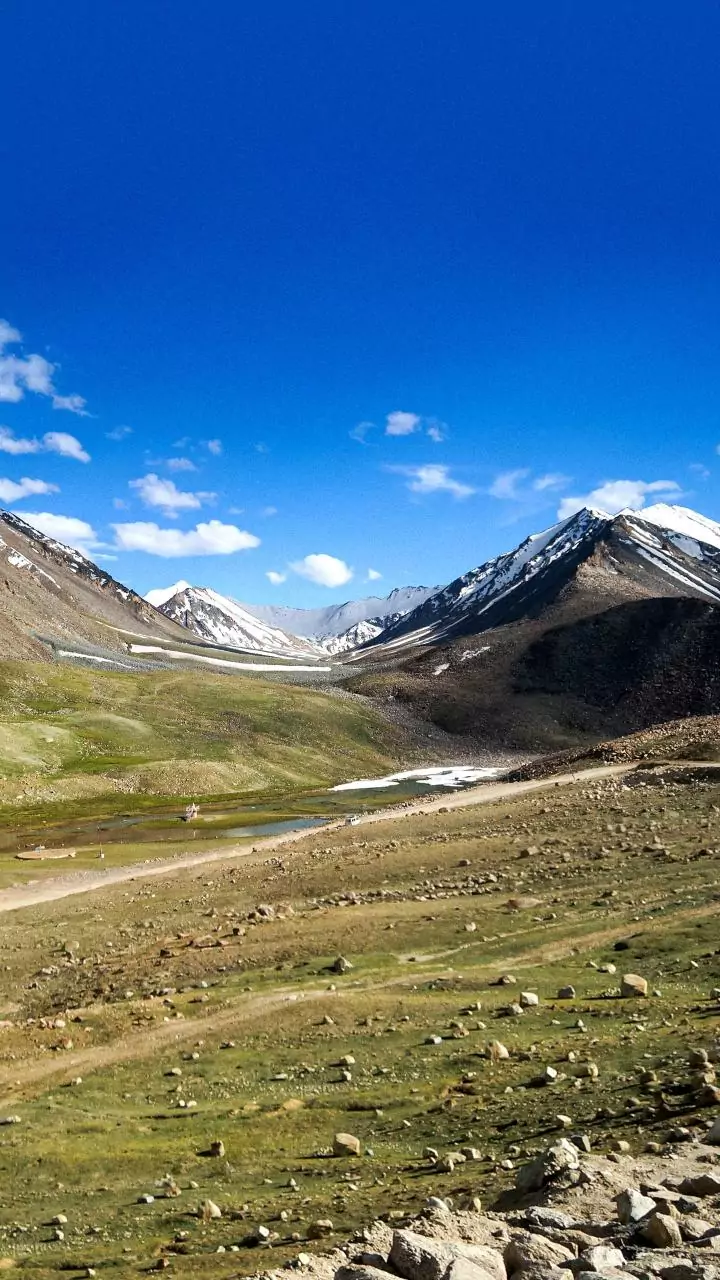
Often called a “cold desert,” Spiti Valley is a revelation in August. Tucked away in a rain shadow region of the Himalayas, it remains remarkably dry while the rest of the country is drenched. This is the time when the valley is most accessible, with
roads from both Manali and Shimla typically open. The landscape is a stark, dramatic canvas of barren mountains, deep gorges, and impossibly blue skies. Patches of green fields and blooming wildflowers add a splash of life to the otherwise rugged terrain. August offers pleasant daytime temperatures perfect for exploring ancient Buddhist monasteries like Key and Tabo, visiting high-altitude villages such as Komic and Hikkim, and witnessing the surreal beauty of Chandratal Lake. While the journey to Spiti can be challenging due to potential landslides on the approach roads, the reward is an otherworldly adventure in a land that feels untouched by the monsoon.
Valley of Flowers, Uttarakhand
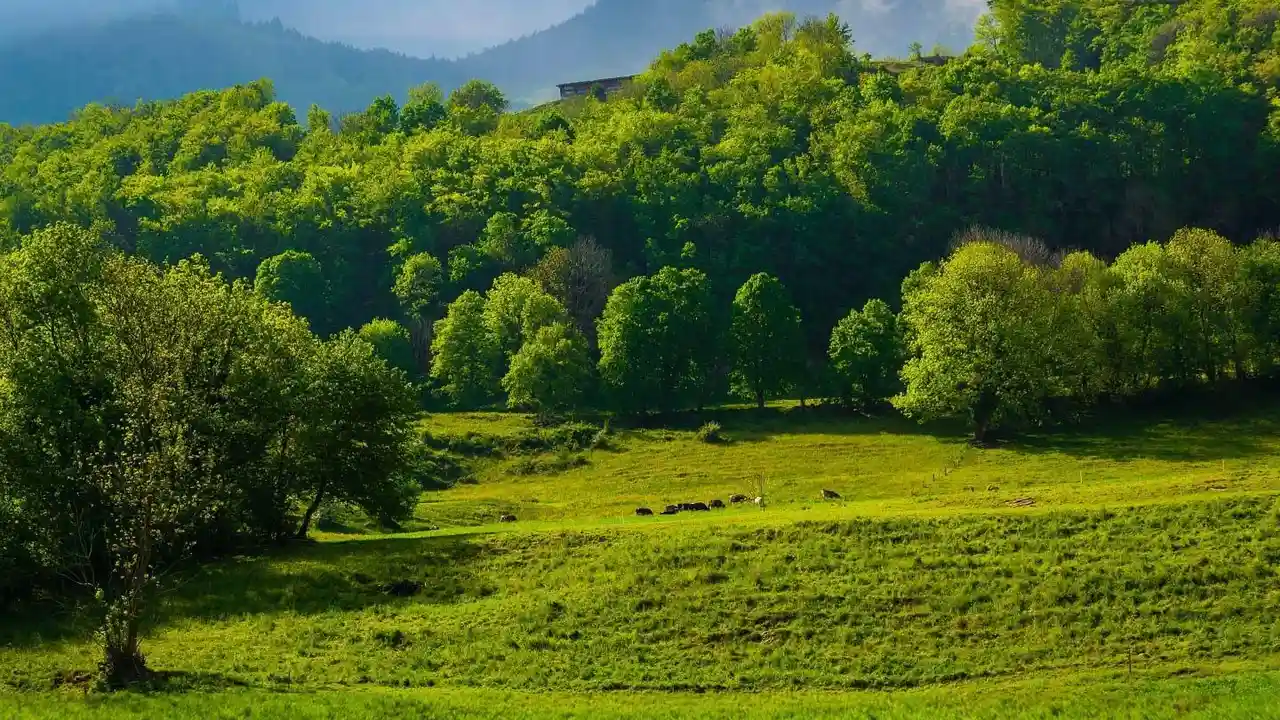
For those who don’t mind some rain but want a truly spectacular payoff, the Valley of Flowers National Park is a must-visit. August is the absolute peak blooming season for this UNESCO World Heritage Site. The entire valley transforms into a vibrant carpet of countless alpine flowers, including rare species like the Brahma Kamal and the Blue Poppy. While it is a monsoon trek and rain is frequent, the showers enhance the beauty, making the waterfalls thunder and the greenery even more vivid. The weather remains cool and pleasant for trekking, with temperatures ideal for a day-long hike. Local guides often consider the first half of August the most beautiful period. The mist and clouds that drift through the valley create a mystical, dream-like atmosphere, making the challenging trek a deeply rewarding experience for nature lovers and photographers.
Kodaikanal, Tamil Nadu
Down south, the “Princess of Hill Stations” offers a different kind of monsoon magic. Located in the Palani Hills, Kodaikanal benefits from its position in a slight rain shadow area compared to the Western Ghats of Kerala. While it does receive rain, it's often in the form of moderate showers and persistent mist rather than torrential downpours, leaving plenty of time for exploration. In August, the landscape is incredibly lush, the lakes are full, and the waterfalls, like the popular Silver Cascade, are in full flow. The misty weather lends an enchanting and romantic quality to the town, perfect for leisurely walks around Kodai Lake, exploring the dense pine forests, and enjoying the views from Coaker's Walk. With fewer crowds than in peak season, August is ideal for a peaceful retreat to enjoy the cool, crisp air and rain-washed beauty of this charming hill station.
Munnar, Kerala
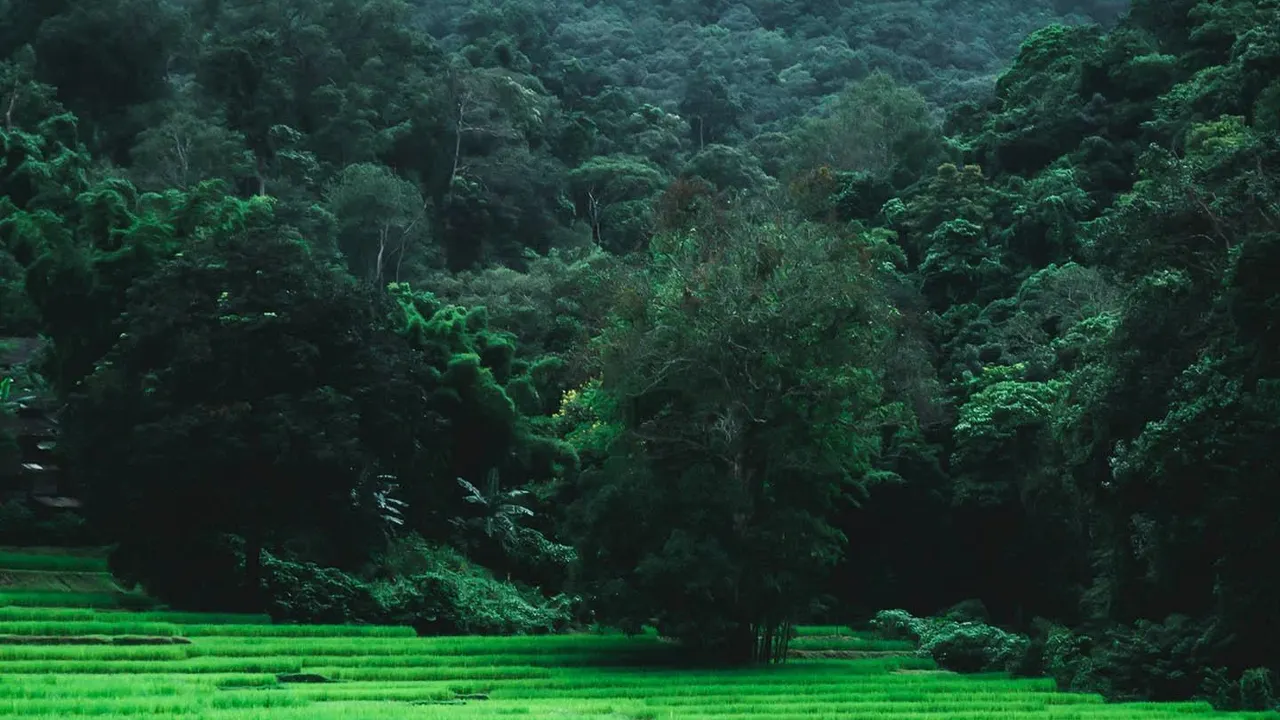
While Kerala is famous for its heavy monsoon, Munnar is a destination that truly comes alive with the rain. August sees the region’s iconic tea plantations turn a brilliant shade of emerald green, often draped in a thick blanket of mist. The rainfall, though frequent, tends to be intermittent, allowing for windows to explore. This is when waterfalls like Lakkam and Attukad are at their most powerful and spectacular. The cool, pleasant weather is perfect for visiting tea museums, taking a boat ride on Kundala Lake, or simply enjoying the panoramic views from a cozy resort. The monsoon season also means fewer tourists and often better deals on accommodation, making it a great time for a serene and budget-friendly trip. For those who want to embrace the monsoon's beauty, Munnar offers a refreshing and picturesque escape.