



An Explosion of Taste
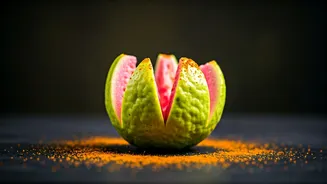
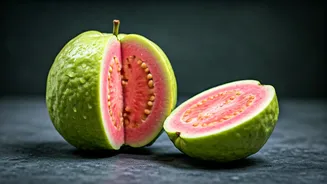
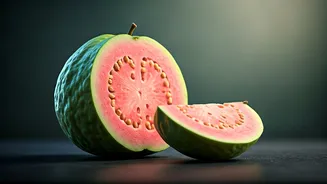
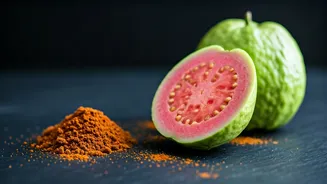
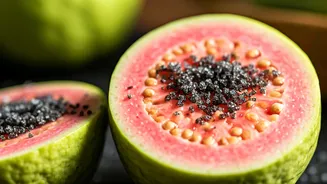
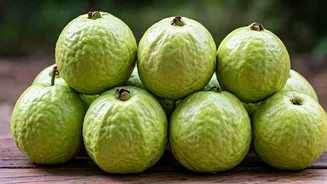
Let’s break down the moment. First, the guava—or *amrood*. Depending on your preference, it might be the firm, pale-green variety with a tart crunch, or the softer, pink-fleshed kind that melts in your mouth with a floral sweetness. It’s good on its own,
a perfectly respectable fruit. But then comes the *kala namak*. This isn’t just your average table salt. Black salt brings a pungent, slightly sulphurous funk that is uniquely Indian. When that dark, magical dust hits the moist, cut surface of the guava, something extraordinary happens. The saltiness doesn't just contrast the sweetness; it amplifies it. The tangy, mineral notes of the salt cut through the fruit's floral aroma, creating a complex, layered flavour profile that is sweet, salty, tangy, and deeply savoury all at once. It’s a jolt to the palate, waking up every taste bud and leaving you wanting another bite immediately.
A Dose of Pure Nostalgia
For so many of us, this combination is the taste of childhood. It’s the after-school snack bought from a street vendor outside the school gates, served in a newspaper cone. It’s the simple treat prepared by a grandparent on a lazy summer afternoon, the guavas sliced neatly on a plate with a small bowl of salt for dipping. The sound of the knife slicing through the crisp fruit, the sight of the vendor’s swift, practiced hands, the very specific aroma of *kala namak* hitting the air—it’s all part of the ritual. This snack doesn’t exist in a vacuum; it’s tied to memories of simpler times, of community, and of the uncomplicated joys that define our formative years. Eating guava with black salt is like accessing a time machine, instantly transporting you back to a specific time and place with a single, powerful bite.
The Simple Science of Deliciousness
The magic of this pairing isn't just sentimental; it's also grounded in flavour science. Our tongues are wired to enjoy complexity, and the combination of sweet and salty is one of the most fundamental and universally pleasing pairings. The sweetness of the guava comes from natural sugars like fructose. When you add salt (sodium chloride), it does two things. Firstly, salt can suppress bitterness in food, which can sometimes be present in less-ripe guavas, making the fruit taste sweeter. Secondly, the sodium ions interact with our taste receptors in a way that enhances the perception of sweetness. The unique contribution of *kala namak* is its sulphur compounds, which add an umami-like, eggy depth that makes the flavour profile even more intriguing and satisfying. It’s a perfect culinary partnership where each ingredient makes the other better.
More Than Just a Tasty Treat
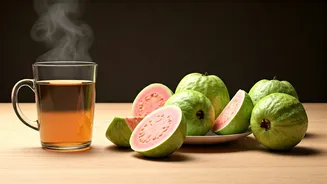
Beyond its incredible taste and nostalgic pull, the combination of guava and black salt is also a relatively healthy snack. Guava is a nutritional powerhouse. It's famously packed with Vitamin C—often more than an orange—which is essential for boosting immunity. It's also an excellent source of dietary fibre, which aids digestion and helps you feel full, making it a smart choice for curbing hunger pangs between meals. Meanwhile, *kala namak* is often used in Ayurvedic traditions to help with digestive issues like bloating and indigestion. While it is still a form of sodium and should be consumed in moderation, its mineral composition is different from processed table salt. So, when you reach for this classic snack, you're not just indulging a craving; you're also enjoying a bite that comes with some genuine wellness benefits.