




More Than a Facelift
For years, tourism in Madurai has been overwhelmingly centred on the magnificent Meenakshi Amman Temple. While the temple remains the city's spiritual and cultural heart, a series of new and interconnected projects aim to broaden the visitor experience
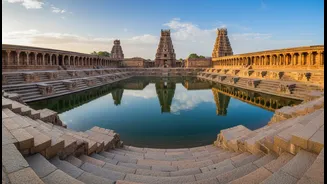
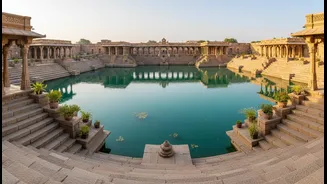
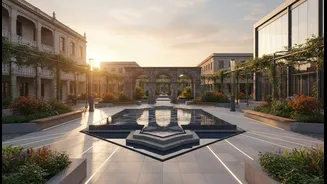
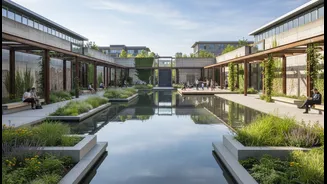
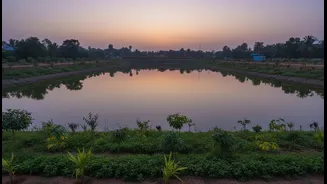
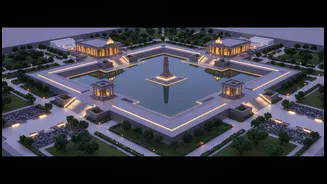
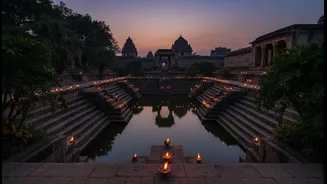
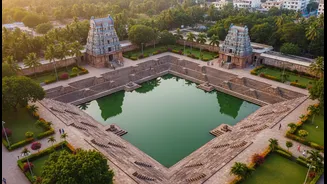
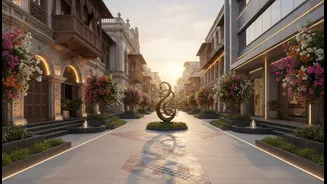
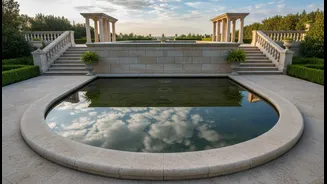
significantly. This multifaceted upgrade combines infrastructure enhancements under the Smart City Mission with a newly acquired international airport status, setting the stage for a new era of tourism. Recent proposals include the redevelopment of the historic Mariamman Teppakulam, a massive temple tank, into a vibrant public space with dedicated event infrastructure and a modern food street. This joins ongoing efforts like the Vaigai Riverfront Development, the creation of heritage walking paths connecting lesser-known historical sites, and the restoration of landmarks like the Thirumalai Nayak Palace.
The 'Culture-Led' Philosophy
The true significance of Madurai’s plan lies in its 'culture-led' approach. This philosophy argues that a city's heritage is not just in its monuments, but in its living traditions, its streets, its crafts, and its people. Instead of simply building tourist amenities, the goal is to create an immersive environment. For example, the proposed heritage walk is designed to guide tourists to 12 different cultural sites often overlooked in a rush to see the main temple. This encourages longer stays and a deeper appreciation of the city's layered history. Similarly, the revitalisation of the Vaigai riverfront isn't just about beautification; it's about reclaiming the river as a cultural spine for the city, with themed public ghats designed to narrate Madurai's history. This model treats the city itself as a living museum, where culture informs urban design.
Connecting Madurai to the World
A pivotal element amplifying these local efforts is the recent declaration of Madurai Airport as an international airport in March 2026. This is a game-changer, poised to provide direct connectivity to regions with large Tamil diaspora populations, such as Southeast Asia and the Middle East. For decades, international visitors had to travel via larger hubs like Chennai or Bengaluru. Direct international access will not only boost tourist numbers but also stimulate trade and investment in southern Tamil Nadu, making the success of the city's ground-level tourism projects even more critical. The airport upgrade acts as a powerful catalyst, creating the demand that the city's enhanced cultural offerings will be ready to meet.
A Blueprint with Challenges
Madurai's ambitious vision could serve as a blueprint for other heritage cities across India grappling with similar challenges of modernisation and preservation. A successful culture-led model demonstrates that economic growth and heritage conservation are not mutually exclusive. It creates sustainable employment for artisans and local businesses while improving public spaces and amenities for residents. However, the path is not without its obstacles. Critics point to previous Smart City projects that have suffered from delays, poor maintenance, or have not been fully realised as planned. There are also valid concerns that some 'beautification' efforts, like concreting ancient stone ghats along the Vaigai, could inadvertently erase the very heritage they aim to promote. Striking the right balance between development and authentic preservation will be the key to ensuring this transformation benefits everyone.