


Seek the Shadows
The single biggest obstacle for any city-based astronomer is light pollution. While you can't turn off the whole city, you can minimise its impact. Find the darkest possible spot available to you. This could be a local park, a rooftop with minimal direct
lighting, or even the most shadowed corner of your own balcony or backyard. The goal is to block direct glare from streetlights and windows. Even using a simple screen or positioning yourself in the shadow of a building can make a significant difference, as it helps your eyes adapt to the darkness.
Give Your Eyes Time to Adapt
Once you've found your spot, the most important tool you have is patience. Your eyes need about 20 to 30 minutes to fully adjust to low-light conditions, a process known as dark adaptation. During this time, avoid looking at any bright light sources, especially your phone. A single glance at a bright screen can reset your night vision and send you back to square one. If you need light, use a red-light flashlight, as red light has the least impact on your night vision. Many stargazing apps also feature a red-light mode for this exact reason.
Master Your Timing
Timing is crucial for successful urban stargazing. The best nights are those with clear, cloudless skies, as clouds can reflect city light back down, making the sky even brighter. Pay attention to the lunar cycle; the ideal time to observe stars is during the new moon phase, when the sky is not washed out by moonlight. Winter nights often offer clearer air with less haze than warm summer evenings. Additionally, stargazing late at night or in the early morning hours can be more rewarding, as human activity and associated lighting often decrease.
Start with Bright and Obvious Targets
In a light-polluted environment, you won't see the faint, dusty arms of the Milky Way that are visible in rural areas. Instead, focus on the celestial objects that are bright enough to punch through the glow. The Moon is a fantastic target, offering craters and seas to explore even with basic equipment. Bright planets like Venus, Mars, Jupiter, and Saturn are also readily visible from cities. Learning to identify the most prominent constellations is another rewarding goal. Don't be discouraged by what you can't see; celebrate what you can.
Use Simple, Smart Tools
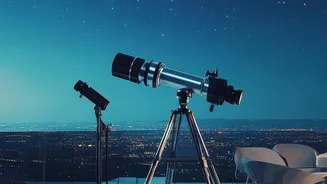
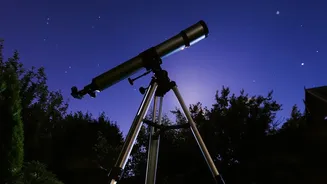
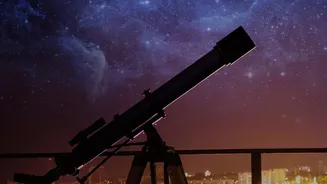
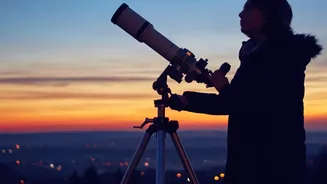
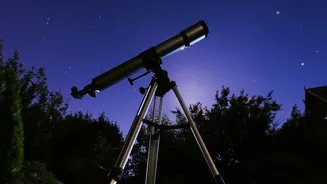
You don't need a massive telescope to start. In fact, a good pair of binoculars is often a better first instrument for a city stargazer. They are portable, easy to use, and offer a wide field of view, making it simpler to locate objects. Binoculars can reveal the moons of Jupiter or details on our own Moon. When you are ready for a telescope, a compact model is often sufficient for apartment balconies and small spaces. Modern technology also provides a huge advantage. Stargazing apps like SkyView, Star Walk 2, or Stellarium use your phone's GPS to create a real-time map of the sky, helping you identify exactly what you're looking at.