
An Open-Air Art Gallery in the Desert
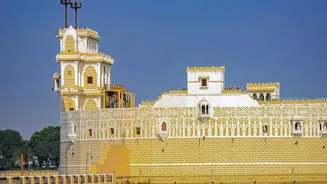
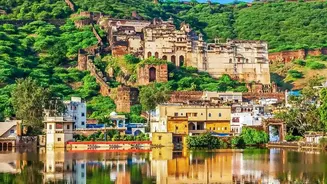
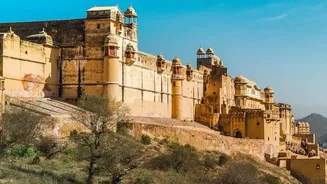
Often called the world's largest open-air art gallery, the Shekhawati region is a cluster of towns like Mandawa, Nawalgarh, and Fatehpur, scattered across the arid landscape. This area, once a crucial part of the caravan trade routes for Marwari merchants
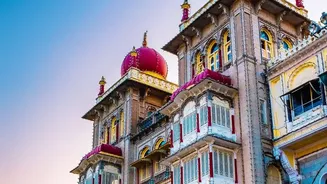
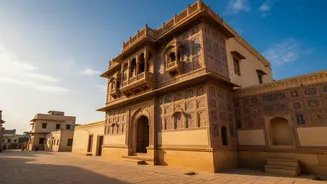
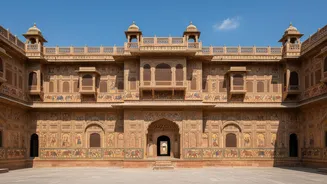
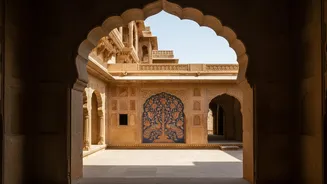
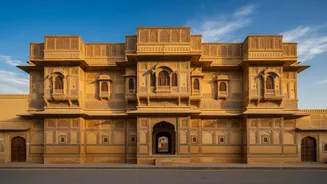
in the 18th and 19th centuries, flourished with immense wealth. These merchants, though many moved to burgeoning cities like Calcutta and Bombay, poured their fortunes back into their hometowns. They built grand mansions, or havelis, not just as homes but as canvases to display their prosperity and chronicle their times. The result is a region where entire streets feel like a museum, with magnificent, fresco-covered walls standing as a testament to a vibrant past.
The Stories on the Walls
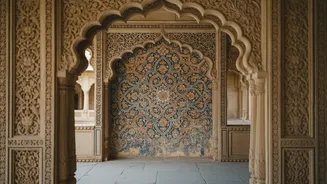
The true magic of Shekhawati lies in its frescoes. The artists, known locally as 'chiteras', belonged to the potter community and covered every available surface with intricate murals. These paintings are a fascinating visual diary of the era. Traditional themes of mythology, particularly tales of Lord Krishna, and religious scenes blend seamlessly with depictions of contemporary life. The influence of the British Raj and the merchants' exposure to the outside world are vividly captured. You’ll find renderings of steam trains, gramophones, bicycles, and British officers in formal attire right next to gods and goddesses. This unique fusion of Rajput, Mughal, and European artistic styles creates a narrative that is both deeply traditional and surprisingly modern, offering a captivating glimpse into the worldview of the people who lived there.
Living Inside the Canvas
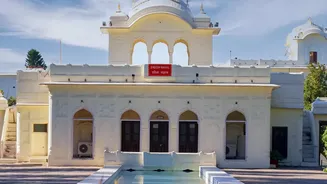
What makes a trip to Shekhawati truly immersive is the opportunity to stay within these works of art. Many of the grandest havelis, which were once falling into ruin, have been painstakingly restored and converted into heritage hotels and boutique retreats. This allows visitors to move beyond being a mere spectator and to actually live, even if briefly, within the history. Imagine waking up in a room where the walls are adorned with original century-old frescoes, dining in a courtyard under the stars, or enjoying tea while looking out from an intricately carved 'jharokha' (balcony). These restored properties offer a chance to experience the regal lifestyle of the Marwari merchants while contributing directly to the preservation of these architectural marvels.
The Allure of the Off-Season
While the peak tourist season from October to March offers pleasant weather, the off-season holds a special appeal for those truly seeking an escape from city noise. The summer months (April to June) are admittedly hot, but they promise solitude. With fewer tourists, you can explore the painted lanes of Mandawa or Nawalgarh at your own pace, feeling like you have the entire gallery to yourself. The silence allows for a deeper connection with the art and the atmosphere of these slumbering towns. It's a trade-off: braving the heat for an experience that is more personal and profound. For the dedicated art lover, the quiet contemplation afforded by an off-season visit is a luxury that pleasant weather cannot always provide. Even the monsoon months of July and August offer lower prices and a unique, greener landscape with dramatic skies.
Beyond the Painted Walls
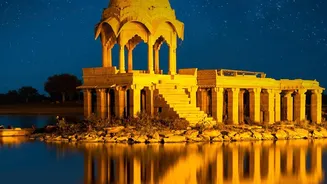
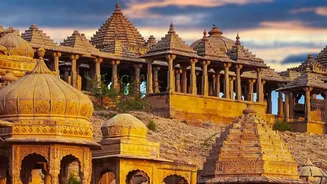
While the havelis are the main draw, the region offers more to explore. Visitors can wander through vibrant local markets, discover ancient step-wells known as 'baoris', and visit cenotaphs (chhatris) that are themselves adorned with beautiful paintings. Engaging with local artisans, some of whom may be descendants of the original painters, provides a deeper understanding of the area's living culture. Towns like Fatehpur and Nawalgarh host havelis that have been turned into impressive museums, such as the Podar Haveli, which showcases Shekhawati's heritage in detail. A trip here is not just about appreciating static art; it’s about experiencing a culture that continues to breathe within and around these painted walls.