



Beyond the Postcard Picture
For years, the goal of a great holiday was to see the famous landmarks, snap a photo, and move on. But a new travel philosophy is taking hold. Experience-led travel, or immersive tourism, is about prioritising the quality of your experiences over the quantity
of destinations you visit. It’s the difference between looking at a historic Italian city from a tour bus and learning to make pasta from a local chef in their home. The focus is on participation, not just observation. Travellers are seeking to engage with a place on a personal level, creating memories based on moments of connection and learning, rather than just sights seen. This approach transforms a trip from a simple getaway into a journey of personal enrichment.
The 'Why' Behind the New Wanderlust
Several factors are driving this global shift. For one, there's a growing desire for authenticity and a backlash against overcrowded tourist traps. Many travellers now see their trips as an investment in personal growth and well-being, seeking transformative experiences that offer more than just recreation. Social media also plays a complex role. While it can create 'Instagrammable' hotspots, it has also become a powerful tool for discovering unique, off-the-beaten-path experiences shared by influencers and fellow travellers, inspiring others to seek out similar adventures. This is particularly true for younger generations like Millennials and Gen Z, who are now a dominant force in the travel market and consistently prioritise cultural immersion and unique activities.
The Trend in India
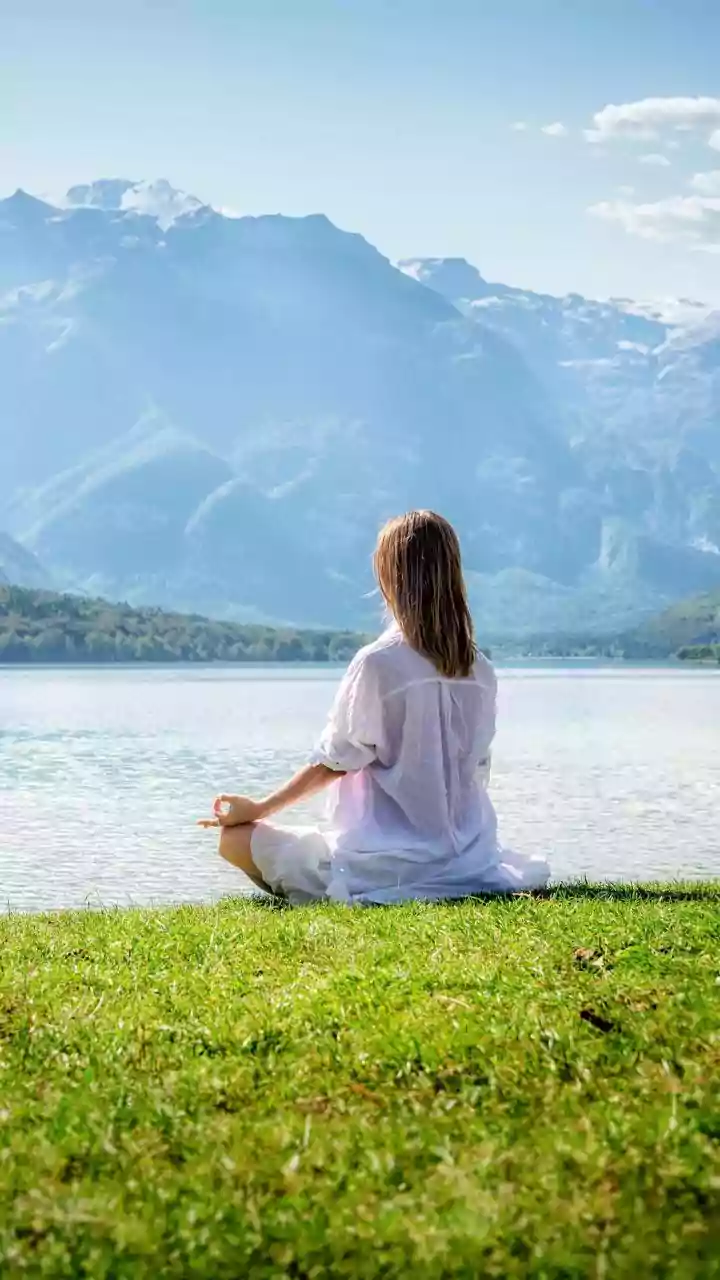
This movement is rapidly gaining momentum in India. The Indian experiential travel market is projected to grow significantly, driven by travellers aged 18 to 35. This demographic is increasingly planning their own independent trips, fuelled by rising disposable incomes and a desire for meaningful journeys over material possessions. There's a notable shift from traditional sightseeing tours to activity-based travel, such as trekking in the Himalayas, participating in a spiritual ceremony in Varanasi, exploring a village in Rajasthan, or joining a wellness retreat. This trend indicates a structural change in the Indian tourism industry, with more travellers seeking curated, hassle-free, and deeply personal adventures.
What Immersive Travel Looks Like
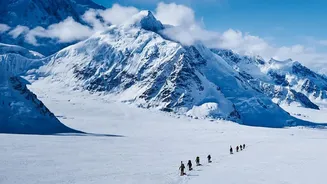
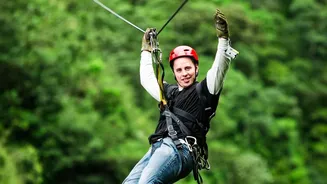
So, what does an immersive holiday actually involve? It can take many forms, tailored to individual passions. For food lovers, it might mean a culinary tour that includes market visits and cooking classes with local families. For adventure seekers, it could be tracking wildlife with a local guide in a lesser-known national park or hiking through remote landscapes. Cultural immersion can involve attending a local festival, learning an ancestral craft from an artisan, or staying in a community-run homestay. The common thread is a deeper engagement that provides real insight into a destination’s traditions and perspectives. The goal is to return home not just with photos, but with new skills, genuine friendships, and a shifted perspective.
The Future of Exploring
This doesn't spell the end of visiting iconic landmarks. Rather, it represents a diversification of travel styles. People are becoming more deliberate about their trips, asking 'how do I want to feel?' instead of just 'where can I go?'. The travel industry is responding, with more tour operators and cruise lines offering smaller group sizes, longer stays, and itineraries focused on cultural connection. Even luxury is being redefined, with exclusivity and emotional impact valued more than just premium amenities. This shift suggests that the future of travel is more personal, purposeful, and enriching, benefiting both the traveller and the communities they visit.