




The Soul of the Feast: Bhoger Khichuri
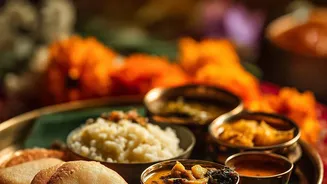
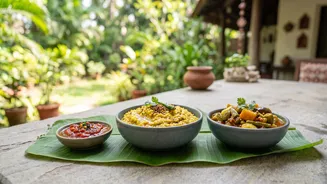
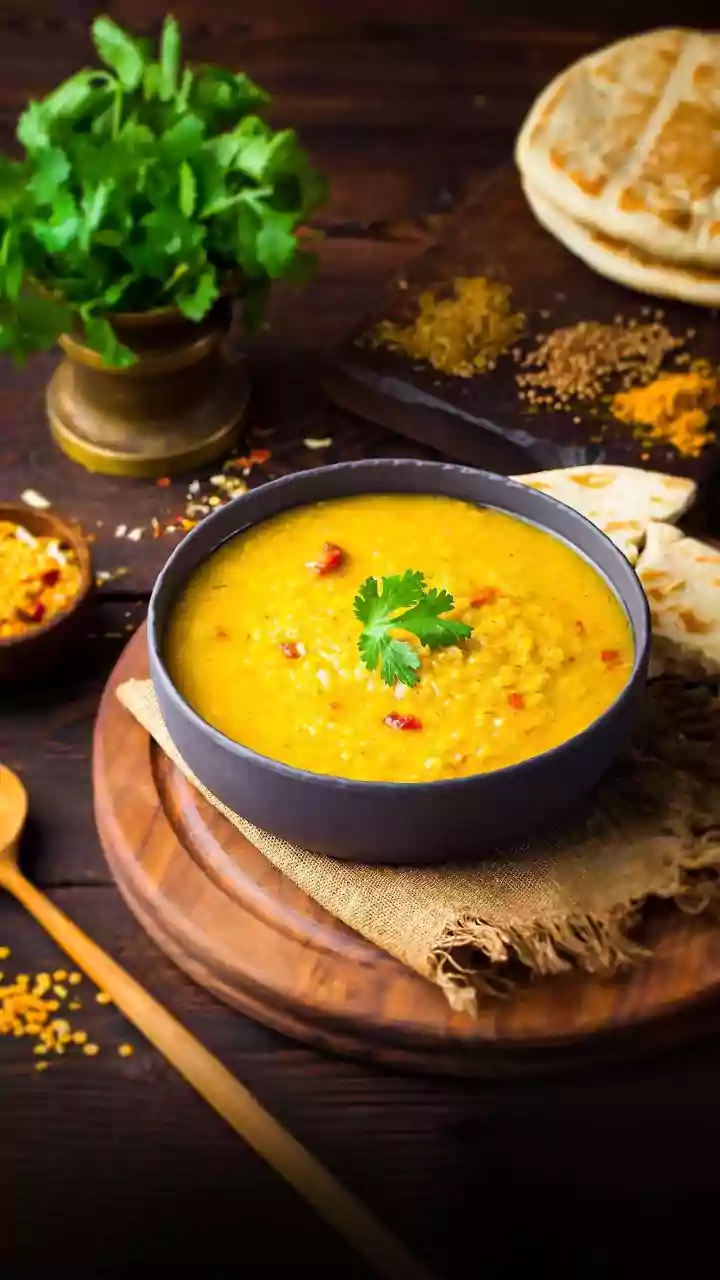
Bhoger Khichuri is more than just a dish; it's a cherished tradition. Unlike everyday khichdi, this version is 'niramish', meaning it is prepared without any onions or garlic. Its unique, nutty aroma comes from dry-roasting the moong dal before cooking.
This is traditionally paired with a fragrant, short-grained rice like Gobindobhog, which contributes to its distinct flavour and soft texture. The finished dish is a wholesome, one-pot meal that's both comforting and celebratory. To prepare it, you'll need: - 1 cup Gobindobhog rice (or any short-grain rice), washed and soaked - 1 cup sona moong dal, dry roasted until aromatic - Vegetables like cubed potatoes, cauliflower florets, and green peas - Spices: Bay leaves, cinnamon, cloves, cardamom, cumin seeds, and a dry red chilli - 1 tbsp grated ginger - Turmeric powder, salt, and a pinch of sugar - Ghee and mustard oil for cooking First, lightly fry the potatoes and cauliflower in mustard oil until golden and set aside. In the same pan, add ghee and temper the whole spices. Add the ginger paste and sauté, then add the soaked rice and roasted dal. Stir well, then add turmeric powder, salt, and about 4-5 cups of warm water. Bring to a simmer, then add the fried vegetables and peas. Cover and cook on low heat, stirring occasionally, until the rice and dal are soft and have reached a thick, porridge-like consistency. Finish with a spoonful of ghee and a pinch of sugar to balance the flavours.
The Perfect Partner: Labra
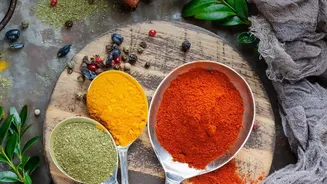
No Bhoger Khichuri is complete without Labra, a quintessential Bengali mixed-vegetable curry. It’s a beautiful medley of seasonal vegetables cooked together until they are soft and harmonious. The beauty of Labra lies in its simplicity and the way different vegetable textures and flavours meld together. Like the khichuri, it is also 'niramish'. The key flavouring agent is 'panch phoron', a five-spice blend of fenugreek, nigella, cumin, radish, and fennel seeds. For a classic Labra, you will need a mix of vegetables such as: - Pumpkin, potatoes, sweet potato, and brinjal (eggplant), cut into cubes - Other options include radish, broad beans, pointed gourd (parwal), and spinach - Spices: Panch phoron, bay leaves, and dry red chillies - Ginger paste, turmeric powder, cumin powder, and coriander powder - Mustard oil, salt, and sugar Begin by heating mustard oil and frying the harder vegetables like potatoes and sweet potatoes first, then the softer ones like brinjal. Set them aside. In the same oil, temper with panch phoron, bay leaves, and dried red chillies. Once they splutter, add the ginger paste and powdered spices, followed by the chopped tomatoes. Cook until the spices are fragrant and the oil begins to separate. Add all the fried vegetables back into the pan, along with salt and a little sugar. Add a splash of water, cover, and let everything cook on a low flame until the vegetables are tender and almost melting into each other. The final dish should be moist but not overly gravy-laden.
A Sweet & Tangy Finish: Tomato and Date Chutney
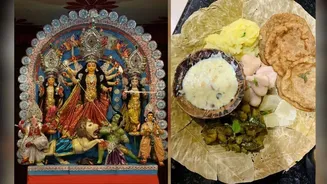
The final element of this divine plate is a sweet and tangy chutney that cuts through the richness of the khichuri and labra. The Tomato Khejur Chutney (Tomato and Date Chutney) is served at the end of the meal, acting as a palate cleanser before dessert. Its preparation is simple, relying on the natural sweetness of ripe tomatoes and dates. To make this delightful chutney, gather: - 3-4 large ripe tomatoes, chopped - 1/4 cup chopped dates (pitted) - 1-2 tbsp raisins (optional) - Spices: Panch phoron and a dry red chilli - 1-2 tbsp mustard oil - Sugar and salt to taste Heat mustard oil in a pan and add the panch phoron and a broken dry red chilli. Let them crackle for a few seconds. Add the chopped tomatoes, a pinch of salt, and cook with a lid on until they turn completely soft and mushy. Now, add the chopped dates, raisins, and sugar. Stir well and let it simmer until the sugar dissolves and the chutney thickens to a jam-like consistency. The final taste should be a perfect balance of sweet and tangy. Some recipes also include 'aamshotto' (mango leather) for extra flavour.