

The Return of Ancient Grains
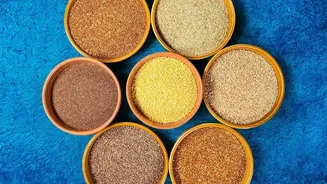
As more people become health-conscious, there's a beautiful return to culinary roots, with ancient grains like millets finding their way back to the heart of the Indian kitchen. Once considered humble food, millets such as ragi (finger millet) and bajra
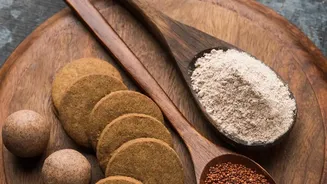
(pearl millet) are now celebrated for their incredible nutritional profiles. Packed with fiber, essential minerals, and protein, they offer a wholesome alternative to refined flours and sugars, making them perfect for crafting festive sweets that nourish the body while delighting the senses. This shift isn't just about health; it's about rediscovering the rich, earthy flavours that have been part of our heritage for centuries.
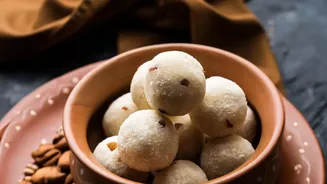
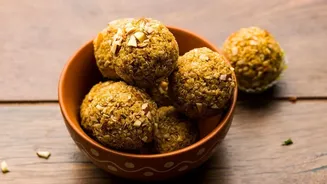
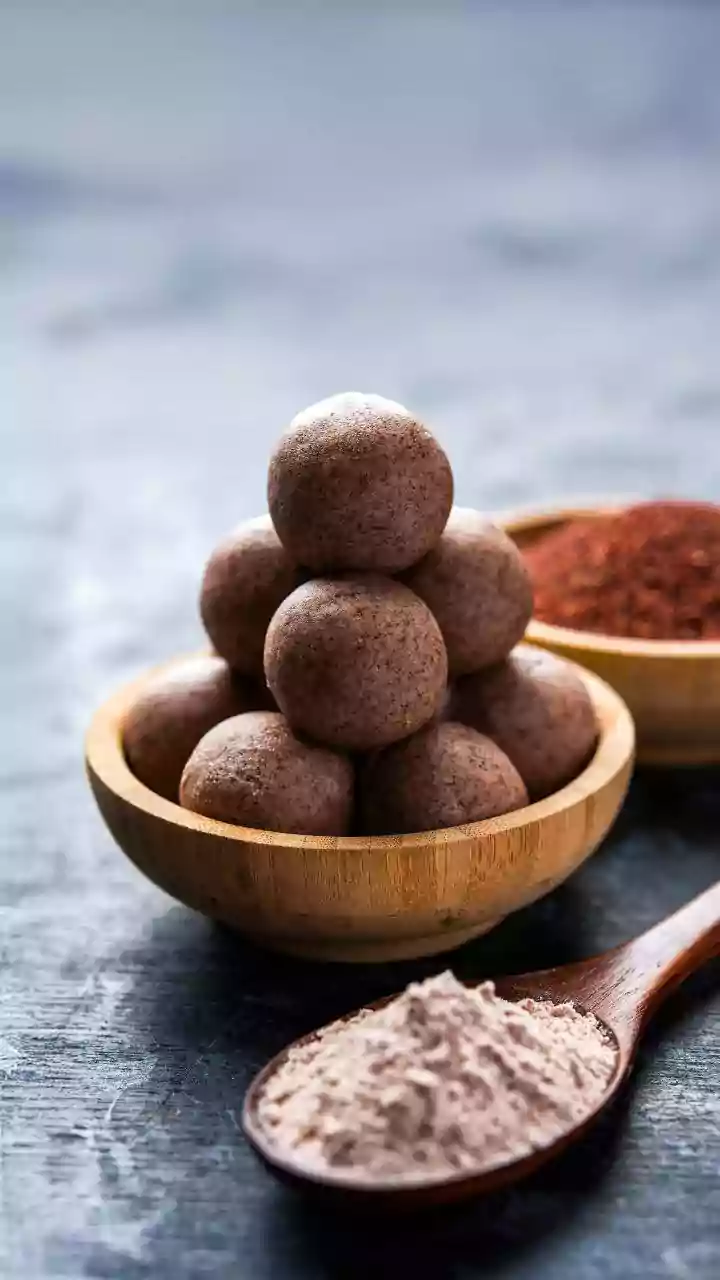
Ragi Laddoos: A Calcium-Rich Indulgence
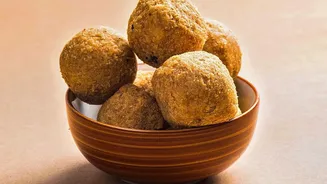
Ragi laddoos are bite-sized powerhouses of nutrition. Ragi is famously one of the best vegetarian sources of calcium, making it excellent for bone health. It's also incredibly rich in dietary fiber, which aids digestion, helps in managing blood sugar levels, and keeps you feeling full and satisfied. These laddoos are typically made by roasting ragi flour until it releases a nutty aroma, then binding it with jaggery and a touch of ghee. The result is a delicious, guilt-free sweet that's perfect for all ages. Jaggery, an unrefined sugar, brings its own set of minerals to the table, making this treat a truly smart choice for the festive season.
Crafting the Perfect Ragi Laddoos
Making these laddoos is a simple and rewarding process. Start by dry-roasting ragi flour in a pan on low heat for about 8-10 minutes until it becomes fragrant. This crucial step removes any raw taste. In a separate bowl, you can have your binding agents ready. Grated jaggery is a classic choice, which can be mixed with chopped nuts like almonds or walnuts and a pinch of cardamom powder for flavour. Once the ragi flour has cooled slightly, combine it with the jaggery and nut mixture. Finally, add warm, melted ghee and mix everything thoroughly. The warmth of the ghee will help melt the jaggery and bind the mixture. Shape them into small balls while the mixture is still warm.
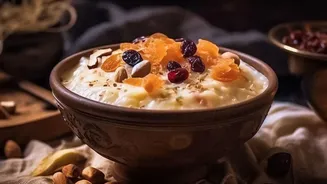
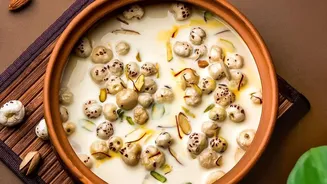
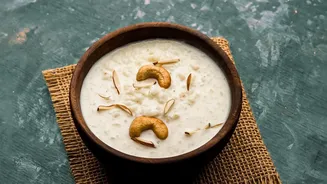
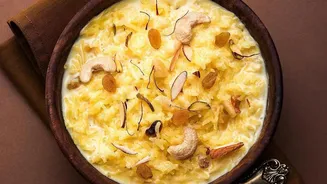
Bajra Kheer: A Creamy, Comforting Treat
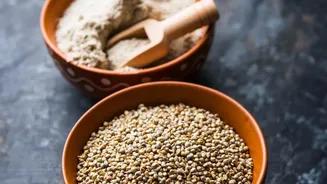
Bajra, or pearl millet, brings its own unique set of benefits to the festive table. It is particularly rich in iron, magnesium, and protein, making it an energy-boosting grain. Its high fiber content, similar to ragi, supports digestive health and provides sustained energy. When made into a kheer, bajra transforms into a wonderfully creamy and comforting dessert. The slightly coarse texture of the millet adds a delightful character that sets it apart from traditional rice-based kheers. It's an alkaline grain, which can help in balancing the body's pH levels, making it a soothing addition to a rich festive meal.
How to Prepare Creamy Bajra Kheer
To create a delicious bajra kheer, the millet needs a little preparation. It's best to soak the whole bajra grains overnight and pressure cook them until soft. While the bajra is cooking, bring milk to a gentle boil in a separate heavy-bottomed pan, allowing it to reduce and thicken slightly. Add the cooked bajra to the thickened milk and let it simmer, stirring continuously. Sweeten the kheer with jaggery or a natural sweetener of your choice and flavour it with cardamom powder and a few strands of saffron. For an extra touch of richness, garnish with ghee-toasted nuts like almonds and cashews before serving. It can be enjoyed warm or chilled.