


A Cascade of Causes
The incredible velocity of floods in the Himalayas is rarely due to a single cause. Instead, it’s a catastrophic chain reaction. The recent disaster that struck the Bhote Koshi river basin on August 26, 2026, was a tragic example. Initial confusion gave
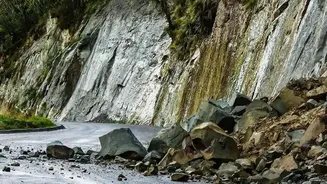
way to a chilling explanation from scientists: a glacier collapse or rock-ice avalanche high in the mountains likely triggered a landslide, which in turn unleashed a devastating wave of water and debris downstream. This 'cascading hazard' is what makes these events so fast and deadly. An incident high in the mountains rapidly transforms into a flood disaster for communities below.
The Funnel Effect of Himalayan Valleys
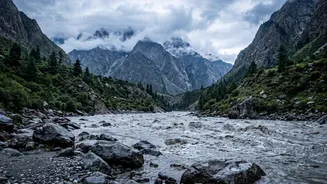
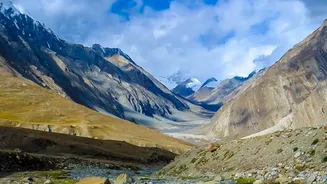
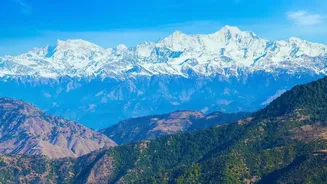
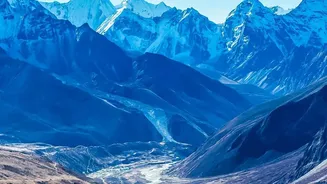
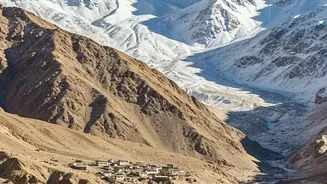
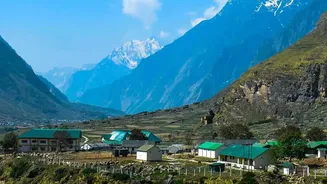
Nepal's geography is a primary accomplice in these disasters. The Himalayas are characterized by incredibly steep slopes and deep, narrow river valleys. When a massive volume of water is suddenly released, these valleys act like the nozzle on a pressure hose, funneling the flow and dramatically increasing its speed and destructive power. There is simply nowhere for the water to go but down, and fast. This extreme topography means that even a moderate volume of water can become a lethal force, capable of sweeping away buildings, bridges, and roads with terrifying ease.
The Threat of Glacial Lake Outbursts
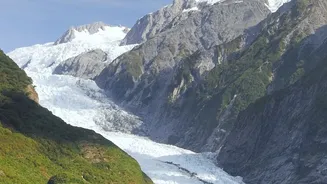
A warming climate is adding a dangerous new layer of risk across the Himalayas. As global temperatures rise, glaciers are melting at an accelerated rate. This meltwater often pools into large lakes, dammed only by unstable walls of rock and sediment called moraines. These events are known as Glacial Lake Outburst Floods, or GLOFs. When these natural dams fail—due to an earthquake, a landslide, or simply the pressure of the rising water—they can release millions of cubic metres of water in a sudden, catastrophic burst. Nepal has recorded dozens of such events, which are a major contributor to the region's flash floods.
More Than Just Water
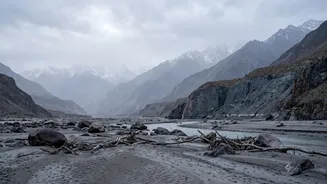
A key reason for the speed and destructive force of these floods is that they are not just carrying water. As the initial surge of water thunders downstream, it scours the riverbed and valley walls, picking up immense quantities of sediment, boulders, and other debris. Experts describe the resulting flow as being like 'liquid concrete'. This dense, heavy slurry moves faster than water alone and has far more momentum. It can destroy buildings that a normal water flood might leave standing and, when it finally stops, it settles into a thick mass that complicates rescue efforts. The recent event was initially mistaken for an earthquake on seismographs, a testament to the sheer power of the landslide and debris flow.
The Climate Change Connection
While scientists are careful to analyze each specific event, the long-term trend is clear. Climate change is increasing the frequency and intensity of the triggers for these disasters. A warmer atmosphere holds more moisture, leading to more extreme monsoon rainfall events that can saturate slopes and cause landslides. Higher temperatures are also the direct cause of the glacial retreat creating more and larger unstable lakes, heightening the GLOF risk. While a single disaster can't always be directly blamed on climate change without extensive study, the rising risk across the 'Roof of the World' is a well-documented consequence of a warming planet.