





The Philosophy of Vrat Food
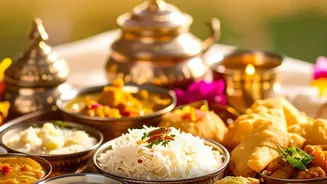
The foundation of Navratri fasting food is the principle of a 'sattvic' diet, which means pure, harmonious, and balanced. The goal is to consume foods that are light, natural, and easy to digest, helping to calm the mind for prayer and meditation. This
is why common ingredients like onions, garlic, regular grains such as wheat and rice, lentils, and many spices are avoided. These are considered 'tamasic' or 'rajasic', meaning they can be heavy or overstimulating. Instead, the focus shifts to a curated list of ingredients that nourish the body and align with the spiritual purity of the festival. Rock salt, or 'sendha namak', is used instead of regular table salt as it is considered a purer, unprocessed alternative.
The Core Grains and Flours
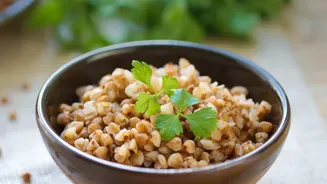
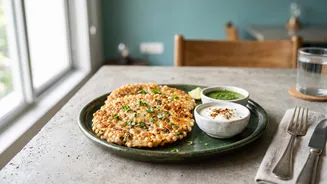
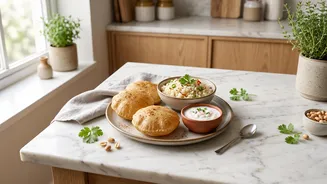
Since regular grains like wheat and rice are off the menu, a fascinating array of alternatives takes centre stage. The most common flours used are Kuttu ka atta (buckwheat flour), Singhare ka atta (water chestnut flour), and Rajgira ka atta (amaranth flour). These are used to make staples like fluffy puris, savoury parathas, and even dosas. For a rice-like component, Samak ke chawal (barnyard millet) is the go-to substitute. It can be prepared as a simple steamed grain, a flavourful pulao with peanuts and mild spices, or even a creamy kheer. Another star ingredient is Sabudana (tapioca pearls), which is incredibly versatile. It's famously used to make Sabudana Khichdi, a comforting and energetic dish, as well as crispy vadas (fritters).
Vibrant Vegetables and Curries
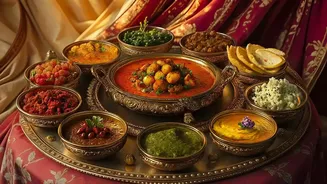
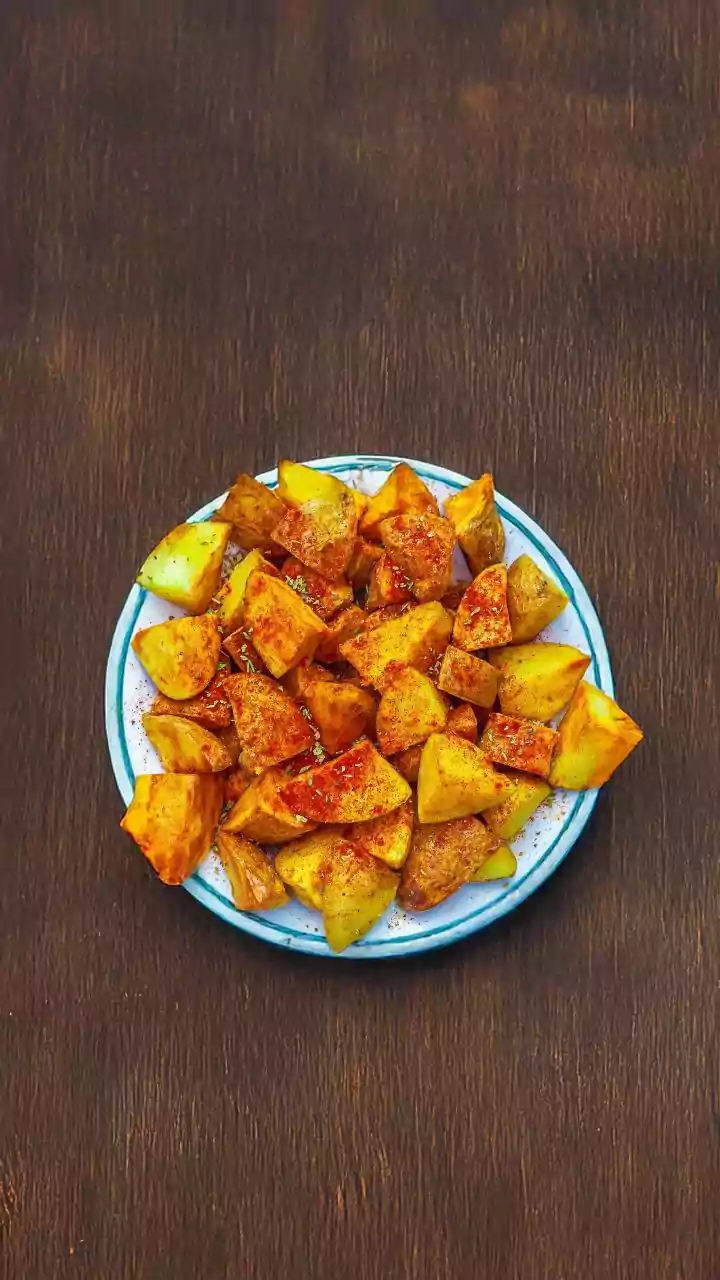
The vegetable selection for a vrat thali is specific but allows for plenty of creativity. Potatoes are a fasting favourite and appear in many forms—from a simple 'Vratwale Aloo' curry, often made with a tangy tomato base, to being a key binding agent in tikkis and koftas. Other permitted vegetables include pumpkin (kaddu), bottle gourd (lauki), yam (jimikand), colocasia (arbi), and sweet potatoes. These are typically cooked in ghee or groundnut oil with minimal spices like cumin, black pepper, and green chillies to create light yet flavourful 'sabzis' or curries that pair perfectly with the special breads. The absence of heavy spices allows the natural sweetness and earthiness of the vegetables to shine through.
Savoury Snacks and Cooling Sides
No thali is complete without a variety of textures and side dishes. Crispy snacks are a highlight, with Sabudana Vada being a popular choice, often served with a mint and coriander chutney. Paneer (Indian cottage cheese) is another protein-rich addition, appearing in creamy curries or as grilled tikkis. To balance the richness of the fried items, a cooling bowl of Dahi (plain yogurt) is essential. It can be served plain, as a raita mixed with cucumber or bottle gourd, or as part of a chaat. Fresh fruit salads, sometimes tossed with spices to make a fruit chaat, also provide a refreshing and hydrating element to the meal.
The Sweet Conclusion
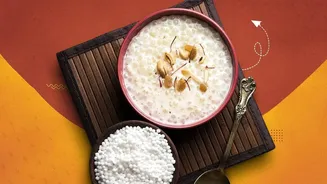
Desserts are an integral part of the festive feast, and the vrat thali offers a delightful selection of sweets. Sabudana Kheer, a creamy pudding made with tapioca pearls, milk, and sugar, is a classic. Another popular option is Makhana Kheer, made with puffed lotus seeds. Halwas are also common, with creative versions made from lauki (bottle gourd), sweet potato, or even singhara flour. These desserts are typically flavoured with cardamom and garnished with nuts like almonds and pistachios, providing a sweet finish that is both indulgent and compliant with fasting rules. For a simpler sweet touch, many thalis will also include fresh fruits like bananas and apples.