




The Annual Smog Emergency
Every year, as temperatures drop, a combination of factors including stubble burning in neighbouring states, vehicular emissions, and industrial pollution traps pollutants in the air over Delhi-NCR. This creates a thick haze that can cause severe health
issues, from persistent coughs to serious respiratory distress. The AQI often reaches 'Poor' or 'Very Poor' levels, forcing residents to limit outdoor activity. While mechanical air purifiers are a common solution, they only filter existing air and don't produce fresh oxygen, leading many to seek more natural, holistic solutions for their homes.
A Green Solution Takes Root
The idea that houseplants can clean the air is not new. A landmark 1989 study by NASA found that certain common indoor plants were effective at removing harmful volatile organic compounds (VOCs) like formaldehyde and benzene from sealed environments. These chemicals are often released by furniture, paints, and cleaning supplies, contributing to poor indoor air quality. This research has inspired a new generation of city dwellers to turn their homes into small, green sanctuaries, using plants as living air purifiers to supplement other measures.
The Bedroom Champion: Snake Plant
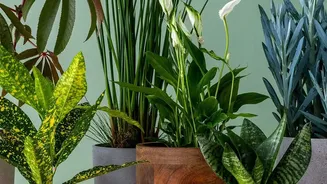
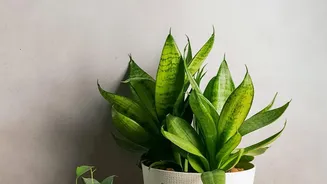
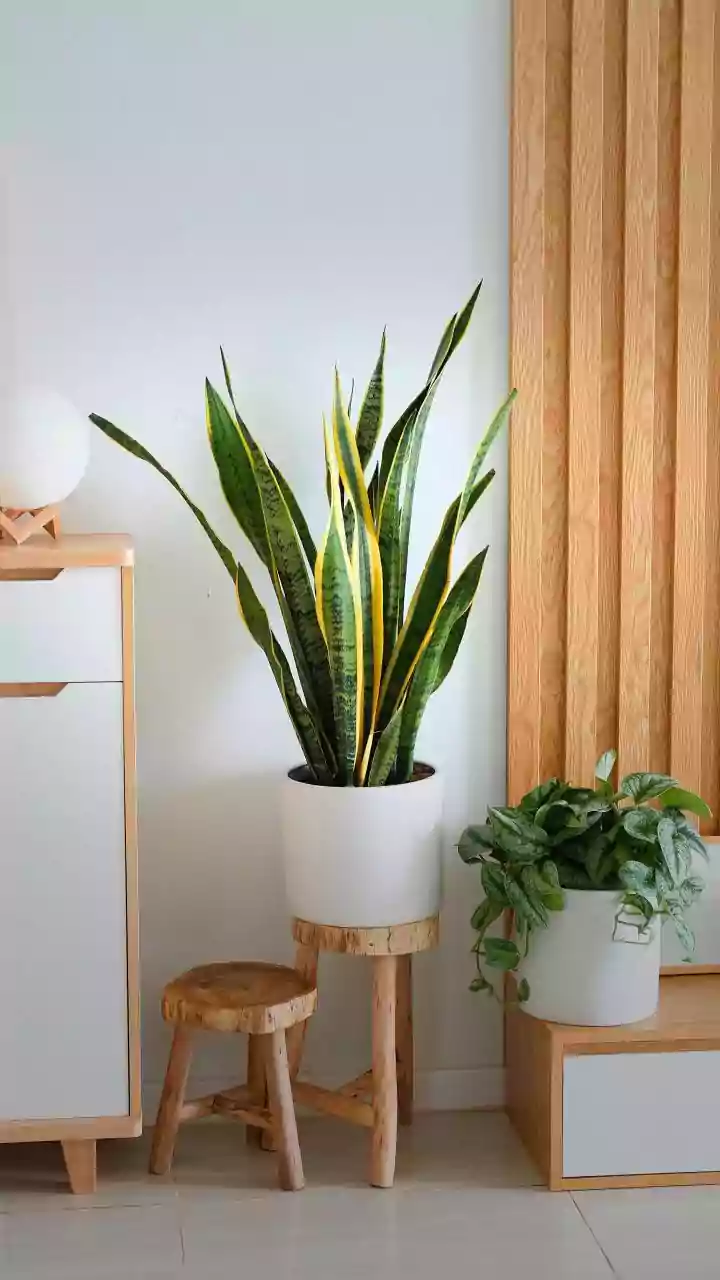
The Snake Plant, or Sansevieria, is perhaps the most popular choice for air purification, and for good reason. It is incredibly hardy and difficult to kill, thriving even in low light with infrequent watering. What makes it a bedroom superstar is its ability to convert carbon dioxide into oxygen at night, a process most plants perform during the day. The NASA study confirmed its effectiveness in filtering out formaldehyde, benzene, and trichloroethylene, making it a functional and low-maintenance addition to any room.
The Living Room Humidifier: Areca Palm
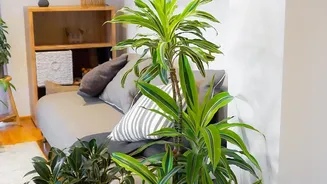
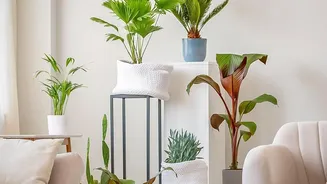
With its lush, feathery fronds, the Areca Palm is a beautiful statement plant that also works hard. It is one of the top-rated plants for removing toxins from the air. Beyond its purifying abilities, the Areca Palm is known for its high transpiration rate, meaning it releases a significant amount of moisture into the air. This can be particularly beneficial during Delhi's dry winters, acting as a natural humidifier to combat the dry air from indoor heating. It prefers bright, indirect sunlight and will reward you with a tropical vibe and cleaner air.
The Versatile Workhorse: Money Plant
The Money Plant (Pothos) is a staple in millions of Indian homes, often grown in water bottles or soil-filled pots. Its popularity stems from its incredible resilience and ability to thrive with minimal care. It’s also a powerful purifier. NASA's research highlighted its skill at removing formaldehyde, benzene, and carbon monoxide from the indoor environment. Its trailing vines can be styled on shelves or in hanging baskets, making it a versatile and attractive way to improve the air in your living space.
The Elegant Detoxifier: Peace Lily
The Peace Lily is another powerhouse purifier identified by NASA's study, known for tackling pollutants like ammonia, benzene, and formaldehyde. It’s one of the few air-purifying plants that also produces beautiful white flowers indoors, adding an elegant touch to home decor. The Peace Lily has another useful feature: its leaves droop noticeably when it needs water, taking the guesswork out of its care routine. It thrives in low-light conditions, making it perfect for office spaces and apartments.
A Realistic Perspective
While plants are a fantastic natural tool, it is important to have realistic expectations. The original NASA study was conducted in small, sealed chambers. In a real home with constant air exchange, you would need a large number of plants to replicate the effect of a high-efficiency air purifier. Experts agree that plants cannot meaningfully filter out the fine particulate matter (PM2.5) that is the main component of winter smog. Therefore, houseplants should be seen as one part of a broader strategy that includes keeping windows closed on high-pollution days, using air purifiers with HEPA filters, and ensuring proper ventilation when the air outside is cleaner.